
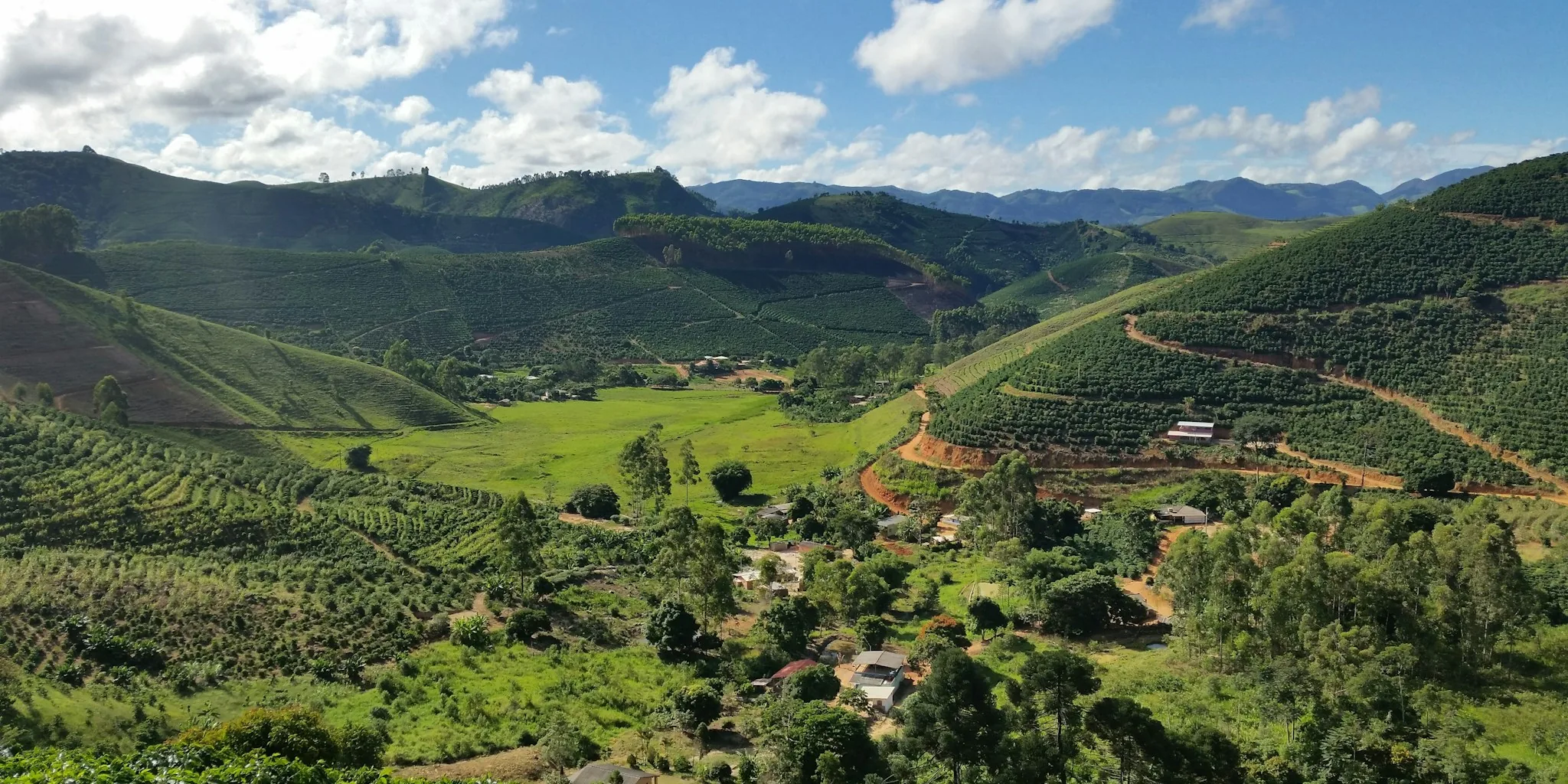

A new study from Colombia’s Eastern Andes reveals an important finding for coffee shoppers who care about environmental impact: shade-grown coffee alone may not be enough to protect bird populations. Researchers discovered that the amount of intact forest surrounding coffee farms is just as crucial to bird conservation as the quality of shade canopy on the farms themselves.
What the Research Found
Ecologists tracked bird communities across sun coffee, shade-grown coffee, and natural forest habitats in Colombia’s Cundinamarca Department. The results, published in the Journal of Applied Ecology, showed that forest cover within a 2-kilometer radius significantly predicted bird occupancy across all habitat types and seasons studied.
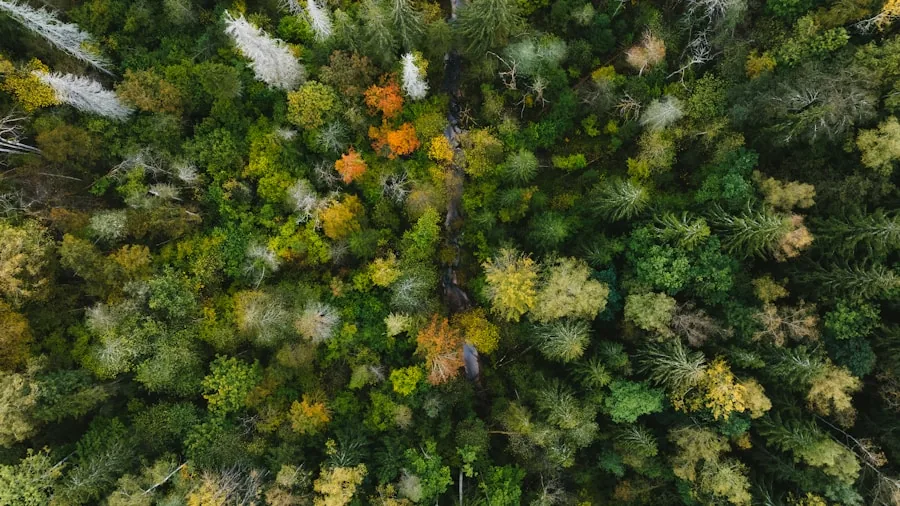
The most sensitive bird species were forest specialists, which required more than 32% forest cover within a 2-kilometer radius to reach healthy population levels. These birds were nearly absent from coffee farms entirely. Generalist bird species showed more flexibility but still responded positively to landscape context with nearby forests.
Dense, diverse shade coffee benefited certain bird groups including frugivores, insectivores, and nectarivores. However, the study revealed an important seasonal pattern: multiple bird types shifted toward forest habitats during December and January, suggesting that different environments serve different ecological functions at different times of year.
What This Means for Shoppers
For consumers purchasing coffee with conservation in mind, this research complicates the simple message that shade-grown certification guarantees bird protection. The findings suggest that truly bird-friendly coffee requires both well-managed shade on farms AND nearby forest conservation. A quality grinder allows you to prepare your shade-grown beans fresh, but the environmental story behind your purchase is equally important to understand.
The study examined current third-party certification standards, including the Smithsonian Bird Friendly certification, which requires 40% canopy cover, at least 10 different shade tree species per hectare, and organic farming practices. The researchers found that these thresholds partly align with their findings, but they also suggested that stronger shade and tree-diversity requirements may be necessary in regions where surrounding forest cover is already low or degraded.
This distinction matters because it means some certified shade-grown coffee may still come from areas with insufficient forest protection nearby. Shoppers looking for truly conservation-focused coffee should consider buying from regions where both farm-level shade management and landscape-level forest conservation are priorities.
The Bigger Picture for Coffee and Conservation
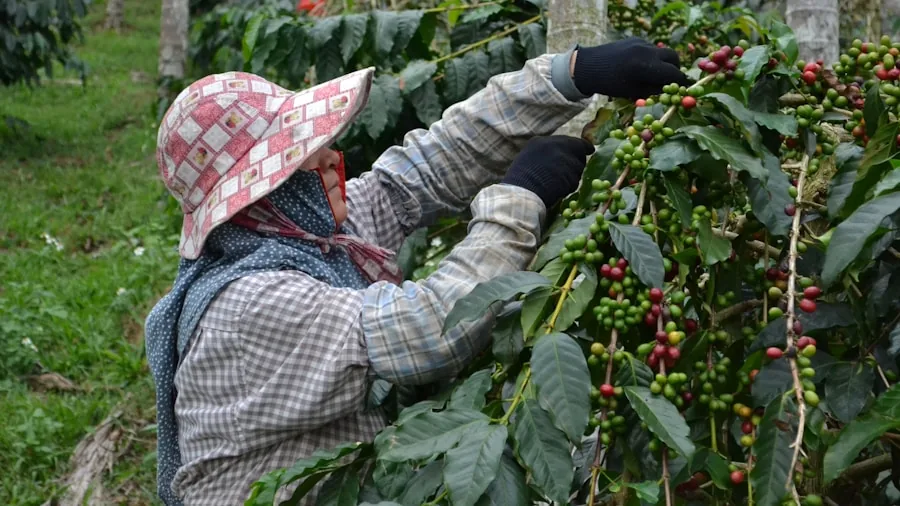
The research highlights a broader principle in conservation science known as land sparing and land sharing: protecting birds in coffee regions requires both preserving existing forests and improving farming practices simultaneously. Neither approach alone solves the problem.
This dual approach has practical implications for the coffee industry. The findings may influence how third-party environmental certifications are designed and updated, potentially leading to stronger requirements that account for surrounding landscape context, not just on-farm practices. Instant coffee options from sustainably managed landscapes also benefit from these evolving conservation standards.
Birds themselves provide valuable services to coffee farms beyond conservation value. Many bird species eat coffee berry borers, which are destructive pests that farmers otherwise control through pesticides. By maintaining bird-friendly landscapes, coffee producers can reduce their reliance on chemical pest management.
The seasonal findings add another layer of complexity. Since birds shift their habitat use between seasons, maintaining a patchwork of both forest and well-managed shade coffee year-round appears essential. This suggests that the most conservation-effective coffee farms are those embedded in landscapes that preserve or restore forest corridors and patches nearby.
How to Make Better Choices
When selecting coffee, look for certifications like Smithsonian Bird Friendly, which currently represents the industry’s most rigorous standards. However, understanding the regional context helps too. Coffee from landscapes with strong forest conservation efforts alongside farm-level shade management provides the greatest environmental benefit.
Consider exploring burr grinders for your shade-grown purchase, as grinding fresh beans just before brewing also supports sustainable sourcing by encouraging you to buy smaller quantities more frequently from quality-conscious roasters.
This research reminds shoppers that environmental claims require scrutiny. Shade-grown coffee remains significantly better for birds and biodiversity than sun coffee, but the broader landscape context matters. By choosing certified shade-grown coffee from regions with active forest conservation, consumers can support a more holistic approach to protecting bird populations while enjoying their morning cup.






Write Your Review
No reviews yet. Be the first to share your experience!