
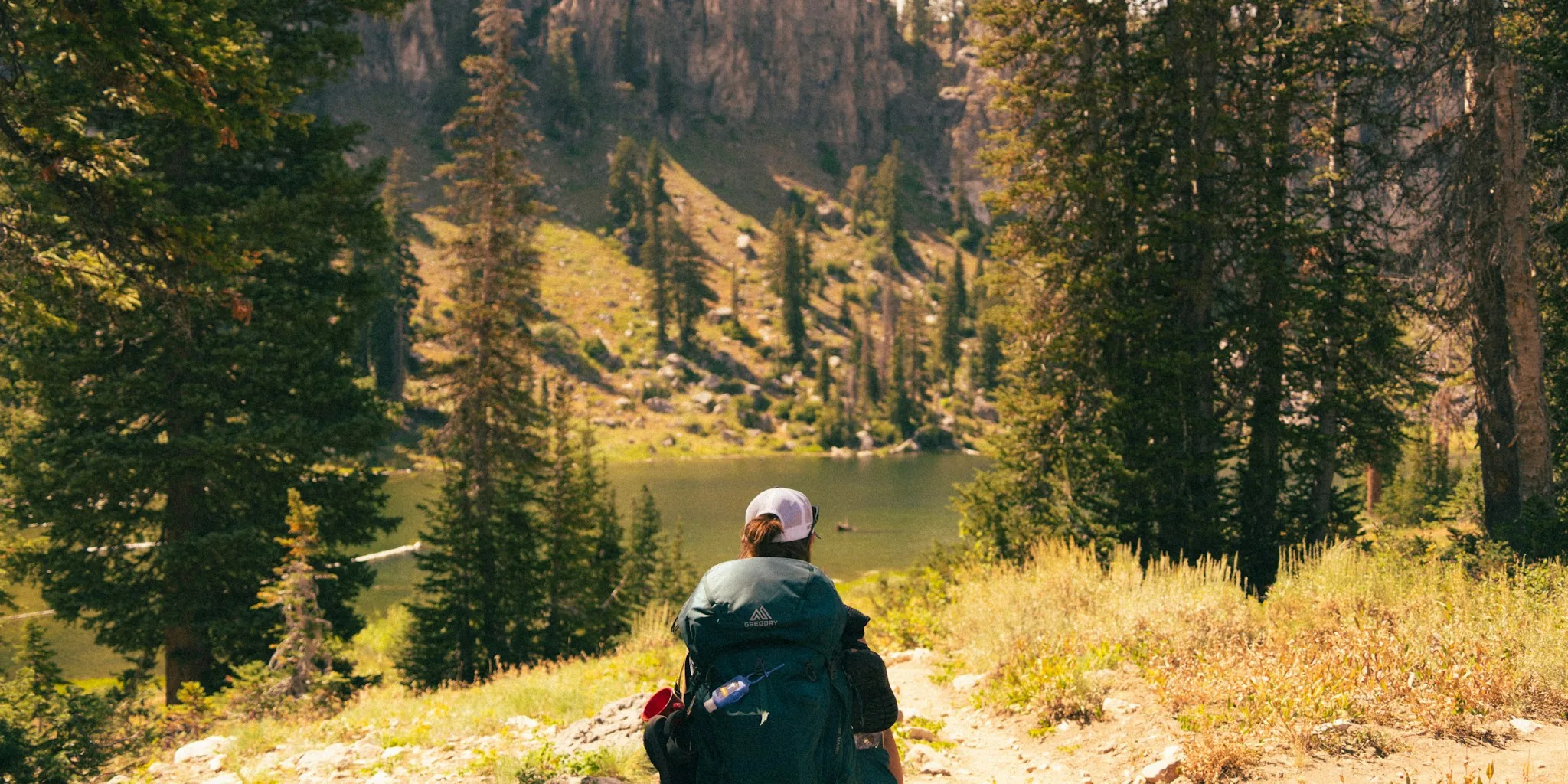

A Jackson, Wyoming resident was attacked by a black bear mother while hiking a familiar route on Teton Pass in August 2026. The encounter happened in seconds, but it offers critical lessons for anyone who spends time in backcountry terrain. Understanding what went wrong, what went right, and how to prepare can mean the difference between a story and a tragedy.
How the Attack Unfolded
The hiker was on the History Trail, a 3.4-mile route she had walked dozens of times before, when her dogs wandered off the path and disturbed a black bear cub. The mother bear, protecting her young, charged from fewer than six feet away with her mouth open and growling. The bear knocked her face-down into the brush before biting her on the buttocks, thighs, back, and neck. She received three punctures and multiple scratches that required emergency room treatment, antibiotics, and a tetanus shot.
What stopped the attack was one critical item: bear spray. Despite the shock and proximity of the threat, she managed to reach her canister and spray the animal directly in the face. The bear turned and fled immediately. When investigators returned to the scene the next day with a metal detector, they discovered her phone in the back pocket of her torn shorts with a tooth mark in it, explaining why the bear bite left only three punctures instead of the four expected from such an encounter.
Why This Encounter Happened
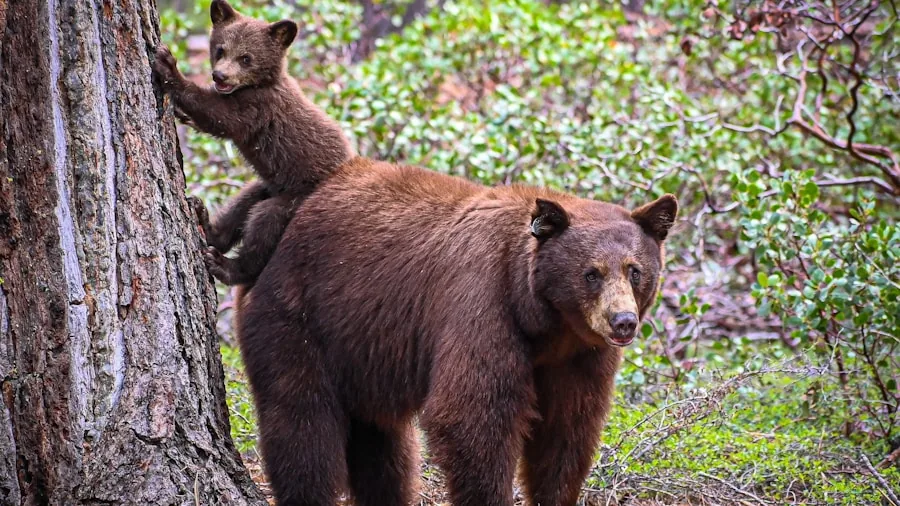
Wyoming Game and Fish classified this as a surprise, defensive encounter. The bear was not acting aggressively out of hunger or territorial behavior; she was reacting to a perceived threat to her cubs. Several conditions made the encounter more likely: dense vegetation created poor visibility, the sound of the hikers was muffled by the terrain, and the dogs unknowingly led the way directly to a cub. Drought conditions that year had also driven bears to range more widely in search of seasonal food sources like berries and nuts.
The hiker had seen warning signs posted at the trailhead the previous Friday alerting people that four black bears, including at least one mother with two cubs, were in the area. This was not an unusual occurrence for the region. Trail ambassadors and wildlife officials stress that even heavily used, popular trails are still backcountry terrain where wildlife encounters are always possible.
What Made a Difference
The single most important factor in this story was bear spray. The hiker had carried it, kept it accessible, and most importantly, had practiced using it just before her hike. She discovered that day that she had misunderstood how bear spray holsters worked for years, thinking they were too tight to use quickly. When she finally figured out that the holster stays in place and only the canister comes out, she practiced drawing it a few times in her car. That knowledge, fresh in her mind, helped her act instinctively when the bear attacked.
Officials from Wyoming Game and Fish emphasized gratitude for her preparedness. The department’s large carnivore conflict coordinator noted that dogs are not definitively linked to increased bear encounter risk, but recommended keeping them leashed or under close voice control. He also highlighted that dogs have sometimes actually helped people escape encounters by distracting bears long enough to deploy deterrents.
Essential Precautions for Backcountry Hiking
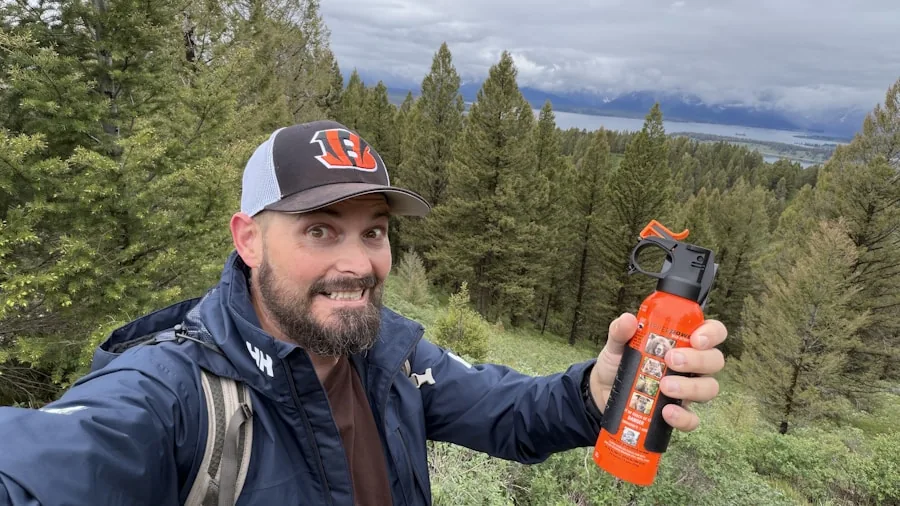
Wildlife officials recommend several steps for hikers in bear country. Hike in groups whenever possible, as larger parties are more likely to encounter bears at greater distances. Make consistent noise as you move through the forest so bears hear you coming and have time to leave the area. Be especially cautious near streams and in thick vegetation where your approach is silent and animals have no warning.
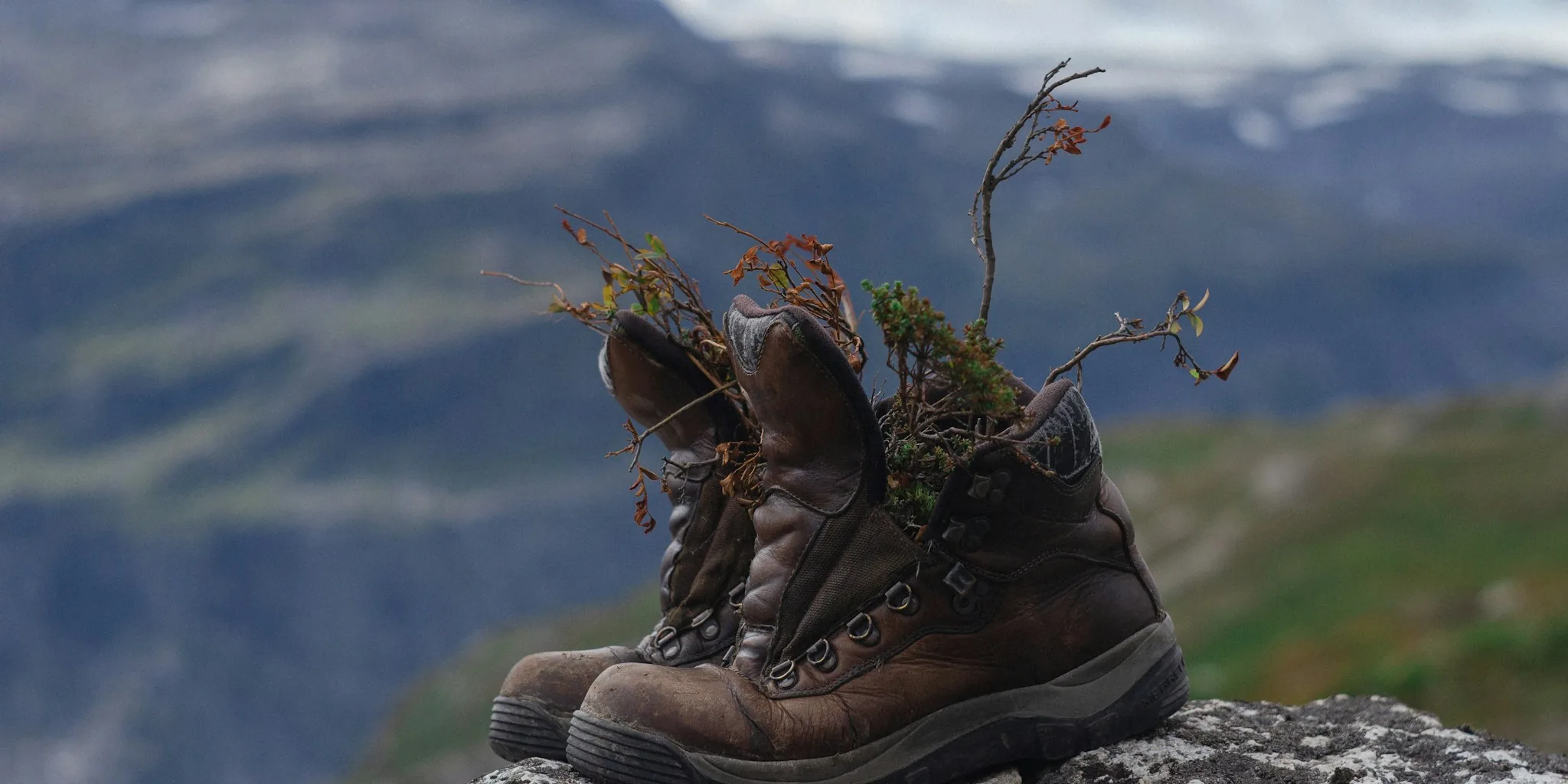
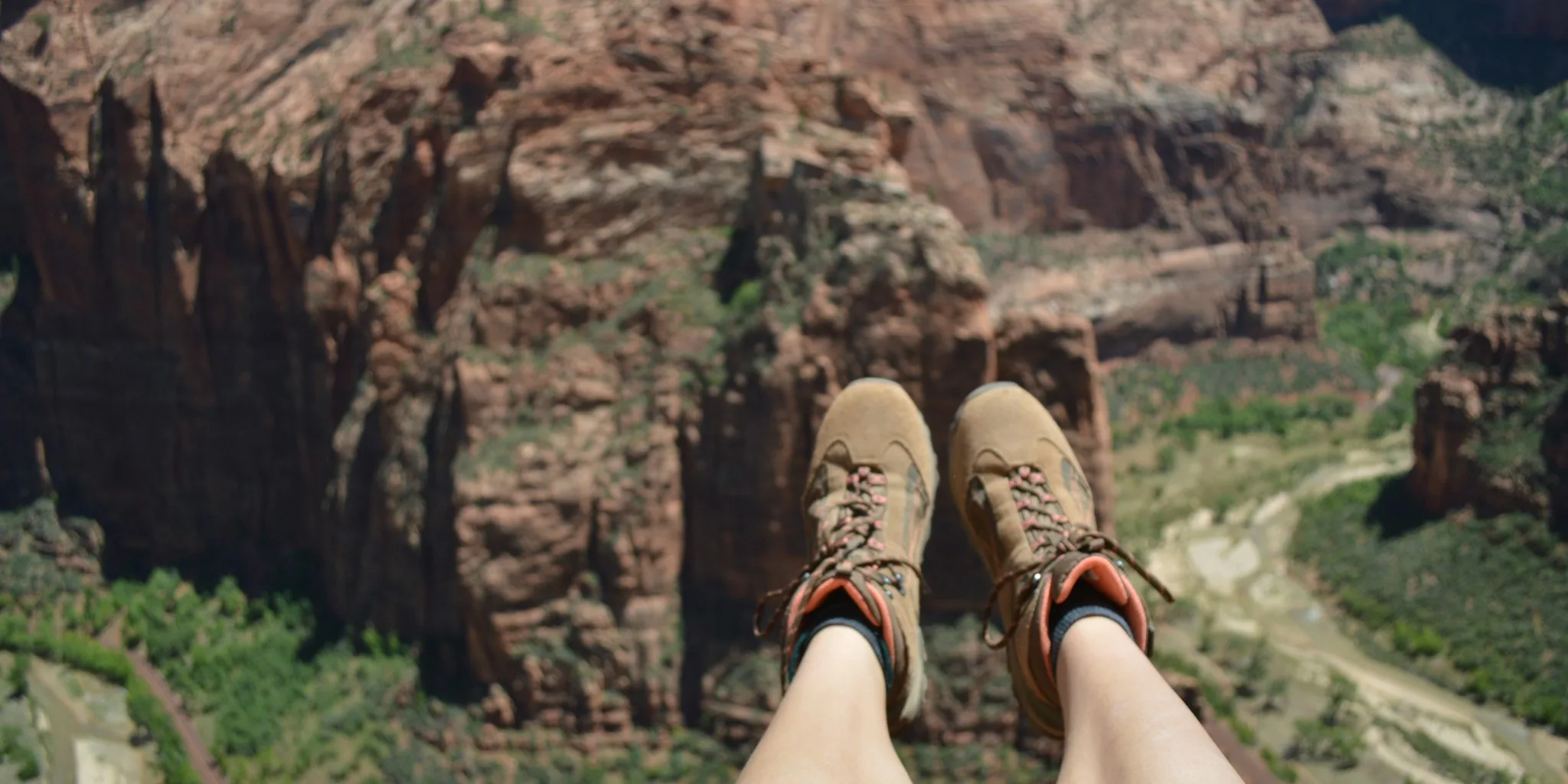
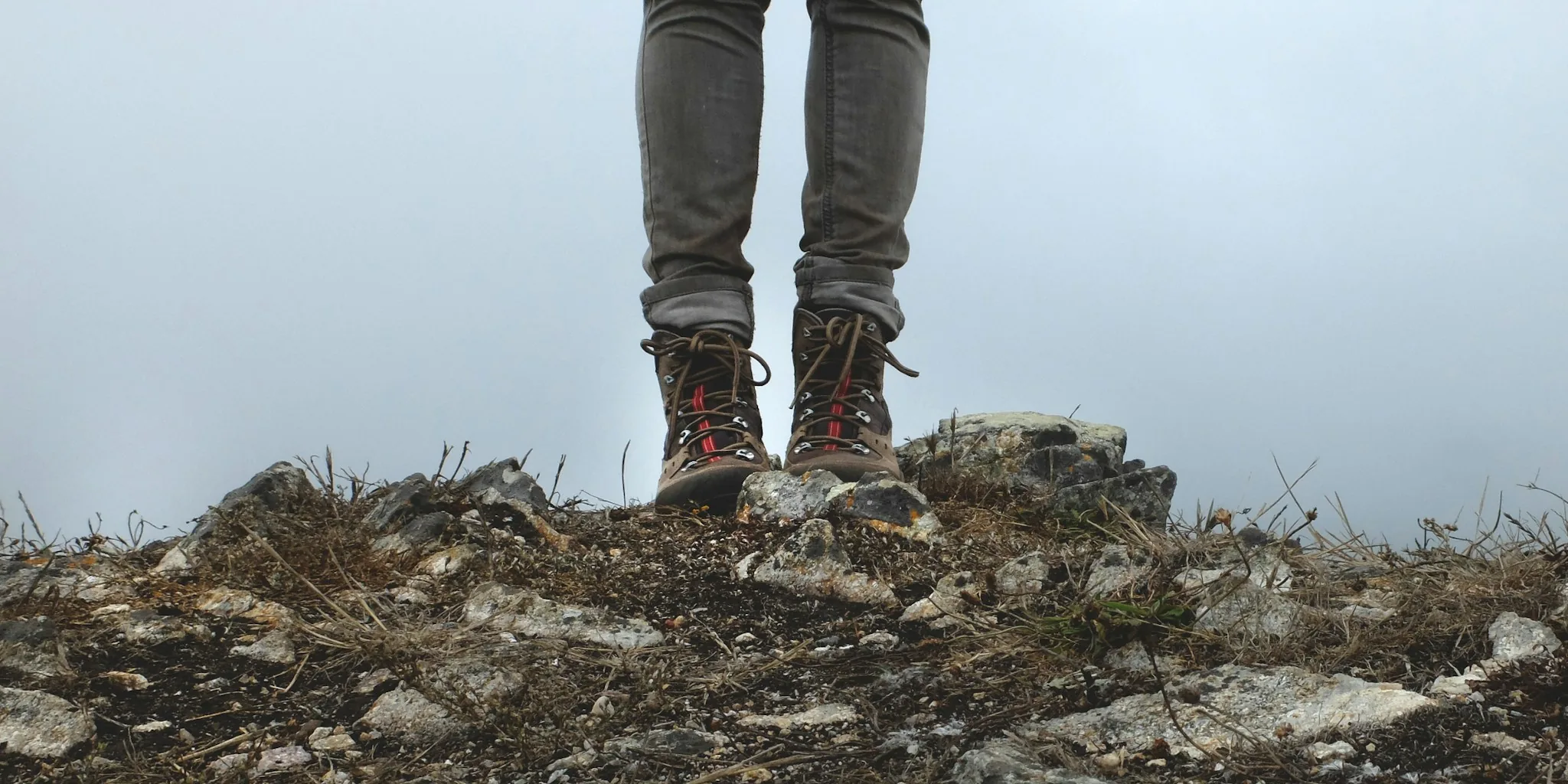
Learn your terrain before you go. If berries, nuts, or other seasonal food sources are abundant, be extra vigilant. Check trailhead postings for recent wildlife activity. Carry bear spray in a holster that allows quick access, and learn how to use it before you need it. Consider investing in quality hiking footwear designed for the terrain you plan to cover, as proper shoes helped this hiker move confidently on the trail.
The drought conditions that year drove bears into unexpected areas, reminding hikers that wildlife can appear anywhere in Wyoming forests. This unpredictability is not a reason to stop hiking; it is a reason to prepare thoroughly.
Moving Forward After Fear
Five days after her attack, the hiker was still processing the experience. She had not returned to work and found herself randomly cycling between crying and feeling fine. She walked daily with her mother on trails with other people and dogs, but avoided returning to the History Trail alone. Remarkably, she did not want the bear killed. She recognized that the animal was not a killer but a mother protecting her offspring. Her goal in sharing her story was to encourage other local hikers to carry bear spray and take precautions on even their favorite familiar trails. Wearing appropriate hiking shoes with good grip and ankle support can also help you move confidently and safely through terrain where unexpected encounters may occur. The lessons from this August encounter extend to every person who hikes in bear country.

Write Your Review
No reviews yet. Be the first to share your experience!