

Black-eyed Susans are a cherished native perennial that brings cheerful yellow blooms and striking dark centers to any garden. If you’re growing these resilient flowers, understanding the right pruning techniques can make a significant difference in their health and performance year after year. The timing and method of cutting back these plants depends on your goals, the season, and the specific variety you’re cultivating.
When to Prune Your Black-Eyed Susans
The timing of pruning matters more than you might think. Throughout the growing season and into winter, there are distinct windows for different pruning tasks. In summer, deadheading spent flowers keeps your plants producing blooms for weeks longer than if you left them untouched. Fall is the ideal time to remove diseased or damaged material, though many gardeners choose to leave healthy stems and seedheads standing to benefit wildlife. Come spring, you can remove older plant material to make room for vigorous new growth.
The beauty of pruning black-eyed Susans is that you have flexibility. You don’t have to deadhead if you prefer a more natural look, and you’re not obligated to cut back healthy plants just because the growing season has ended.
How to Cut Back Black-Eyed Susans Properly

Using the right tools makes pruning safer and more effective. When you’re ready to trim, always start with sharp, clean shears to make clean cuts that heal quickly. A high-quality pair of pruning shears will give you precision and control throughout the process.
Follow the flower stem down until you reach a healthy leaf, a side shoot, or the plant’s base. When removing individual flowers, make your cut just above a healthy leaf node or branching bud. Remove any dead or broken stems by cutting them all the way at the base. If you spot diseased-looking material, trim it off immediately and dispose of it in the trash rather than your compost pile, as this prevents spreading fungal diseases throughout your garden.
Deadheading for Extended Bloom Time
Deadheading is one of the most useful pruning techniques available to gardeners. Removing spent flowers encourages perennials like black-eyed Susans to keep flowering as the season progresses. Once petals fade and drop, or whenever flowers no longer look fresh, cut the stem back to the next healthy leaf or side bud below the spent bloom.
During summer, you can combine deadheading with a light overall trim if your plant looks leggy or sparse. Selectively trim stems back to side buds or the base, but avoid aggressive pruning during the hot months. A gentle touch in summer prevents stress to your plants.
Should You Cut Back in Fall?
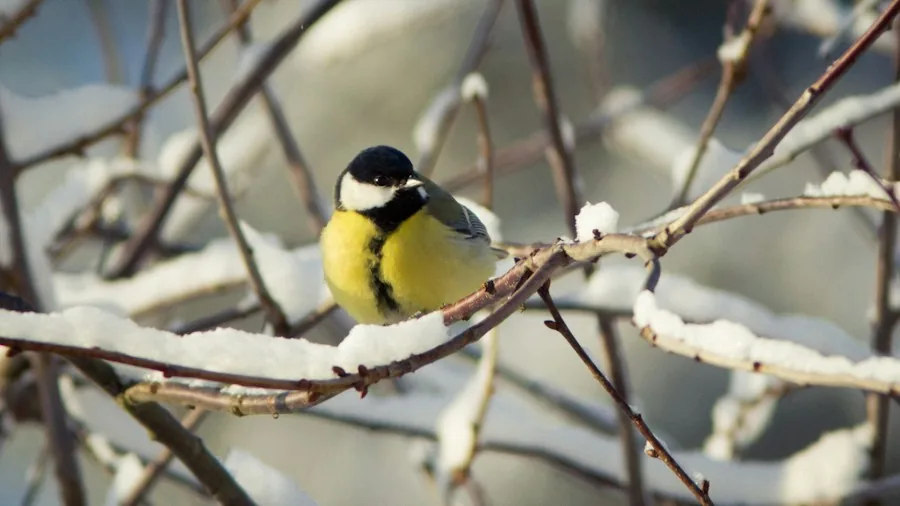
If your plants look healthy, you can absolutely let them stand through fall and winter. Standing seedheads provide valuable nutrition for birds during winter months and create visual interest in dormant garden beds. Additionally, these plants offer shelter for beneficial insects that will help control pests next season.
However, if you notice signs of fungal disease or other health issues, cut all stems and foliage back to ground level and dispose of the material. Never compost diseased plant material. You can also cut back plants if you prefer a tidier winter appearance or if you want to prevent unwanted self-seeding in your beds. This approach gives you the option to keep your garden looking neat while supporting local wildlife in other ways.
Different Varieties, Similar Needs
Pruning techniques are largely consistent across black-eyed Susan varieties, though specific behaviors differ slightly. Rudbeckia fulgida, also called orange coneflower, is a dependable perennial that readily forms large clumps and responds well to standard deadheading and fall seedhead management. Rudbeckia hirta, the most common type, is a shorter-lived perennial that self-seeds readily. If you don’t want this variety spreading throughout your beds, deadhead flowers and remove seedheads before winter arrives.
Rudbeckia triloba, known as brown-eyed Susan, similarly self-seeds readily. Whether you deadhead and trim back depends entirely on whether you want additional plants filling out your garden space next season.
Key Takeaways for Success
Deadheading black-eyed Susans during summer and early fall encourages continued blooming within the same season. Cutting back before plants enter dormancy won’t prevent next year’s flowers. For seasonal cutbacks, trim stems all the way to the ground. While deadheading is optional, plants should receive a major cutback either in late fall or early spring before new growth emerges. The decision ultimately depends on your aesthetic preferences, the specific variety you’re growing, and your commitment to supporting native wildlife in your landscape. With these guidelines in hand, you’ll keep your black-eyed Susans healthy, vigorous, and blooming beautifully season after season.





Write Your Review
No reviews yet. Be the first to share your experience!