
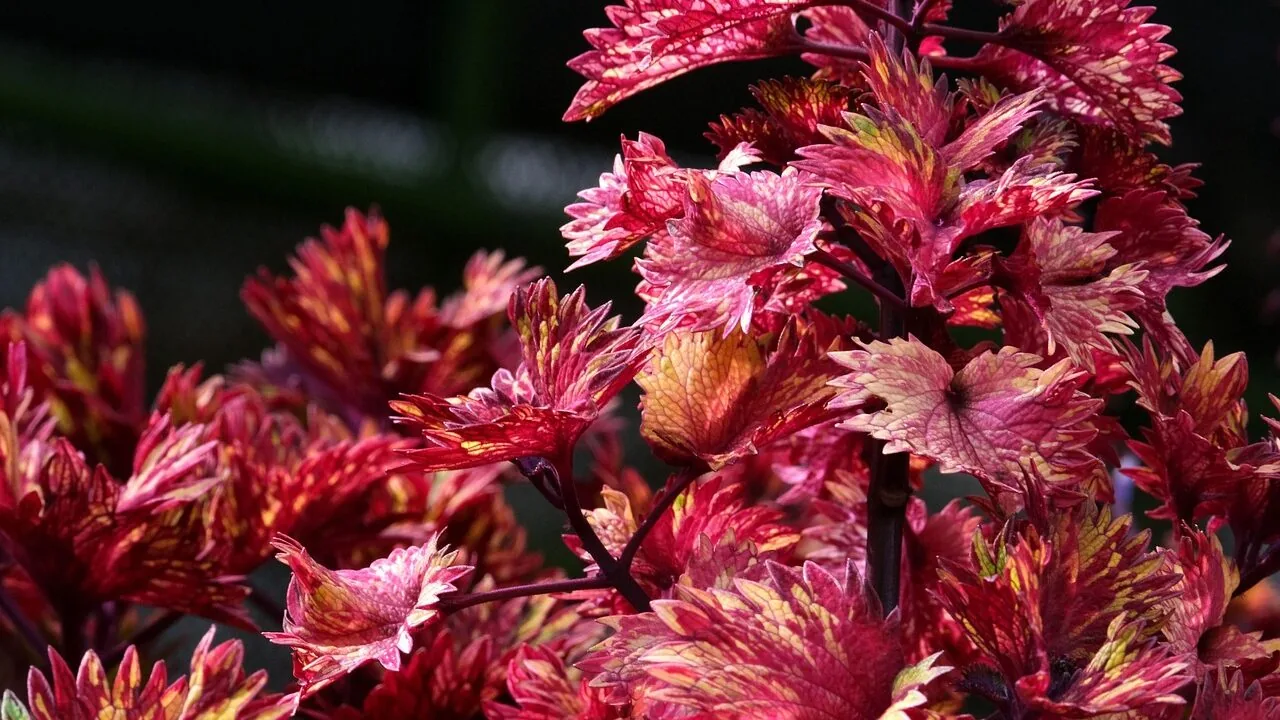

As temperatures drop and frost threatens gardens across the country, many homeowners face a tough seasonal decision: let their vibrant coleus plants perish in the cold, or rescue them for winter. The good news is that overwintering coleus indoors is not only possible but surprisingly easy, and understanding how to do it properly can help shoppers maximize their investment in these colorful tropical perennials.
Why Coleus Cannot Survive Outdoor Winter Conditions
Coleus plants are tropical perennials at heart, which means they simply cannot tolerate freezing temperatures. Once nighttime temperatures drop below 50 degrees Fahrenheit, these sun-loving plants face real danger. Waiting until frost appears on your lawn is a costly mistake, as cold-damaged coleus stems can turn to mush within days, destroying your entire plant. For this reason, gardeners in northern zones need to act quickly, while those in warmer climates have a few additional weeks to plan their transition strategy.
The key to success is moving plants indoors before they experience thermal shock from the cold. Starting this process in early fall, while your coleus is still actively growing and full of vigor, ensures both the parent plant and any cuttings you take will adapt far more readily to indoor conditions.
Preparing Your Coleus for the Indoor Move
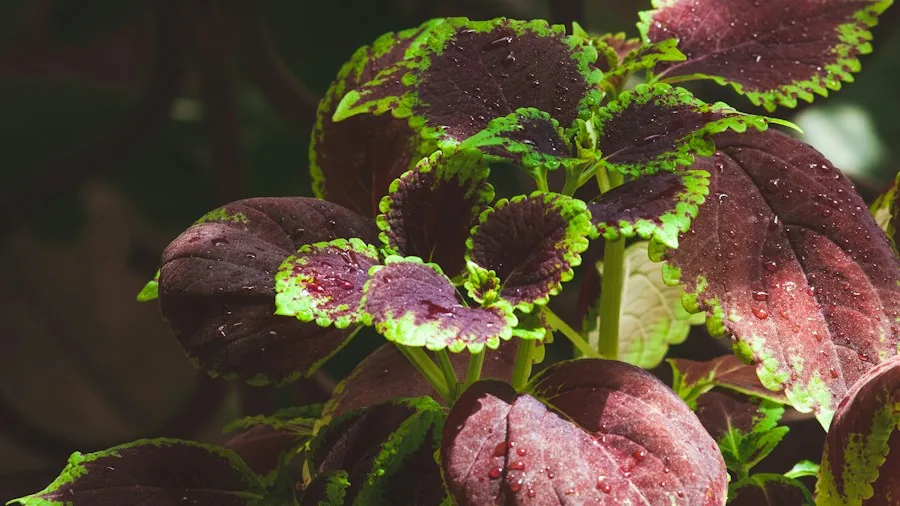
Before bringing your coleus inside, take time to inspect it thoroughly for common garden pests like aphids, mealybugs, and spider mites, which love to hide in leaf crevices and stem joints. A gentle spray with an organic neem oil solution will eliminate any hitchhikers before they enter your home and potentially infest other houseplants.
Acclimatization is essential to prevent leaf drop. Rather than moving your plant directly from full outdoor sun to indoor light, place it on a sheltered porch for a couple of days first. This gradual transition allows your coleus to adjust without shock. When you finally move it indoors, position it near your sunniest south or west-facing window. Trim away any damaged foliage or leggy stems using clean pruning snips, then apply a light watering and consider using a diluted seaweed tonic to support root recovery.
Fresh potting soil also matters. Replace the summer soil with a light, gritty, fast-draining mix such as a cactus and succulent blend amended with perlite. This prevents moisture buildup, which can lead to root rot during the slower growth period of winter.
Taking and Rooting Coleus Cuttings
One of the smartest ways to expand your coleus collection is by taking cuttings in early fall, when plants are still loaded with growth hormones and energy. Rooting cuttings in water is remarkably simple and virtually foolproof when done correctly.
Using sterile, sharp pruning snips, cut 4 to 6 inch sections from healthy, non-flowering shoot tips. Remove the lower leaves, leaving only 3 to 4 leaves at the top of each cutting. This is critical: any leaves that touch the water will decay and foul it. Place your cuttings in jars or propagation vessels filled with room-temperature tap or rainwater, ensuring that the bare stem nodes are fully submerged.
Set the jars on a warm windowsill receiving bright, indirect sunlight, away from cold drafts and chilly window panes. Maintain room temperatures around 65 to 75 degrees Fahrenheit. White roots typically emerge within 7 to 10 days. Change the water every few days to maintain oxygen levels and prevent stem rot. Once roots reach about an inch long, pot them up in your prepared potting mix for a complete new plant.
Indoor Care Throughout Winter
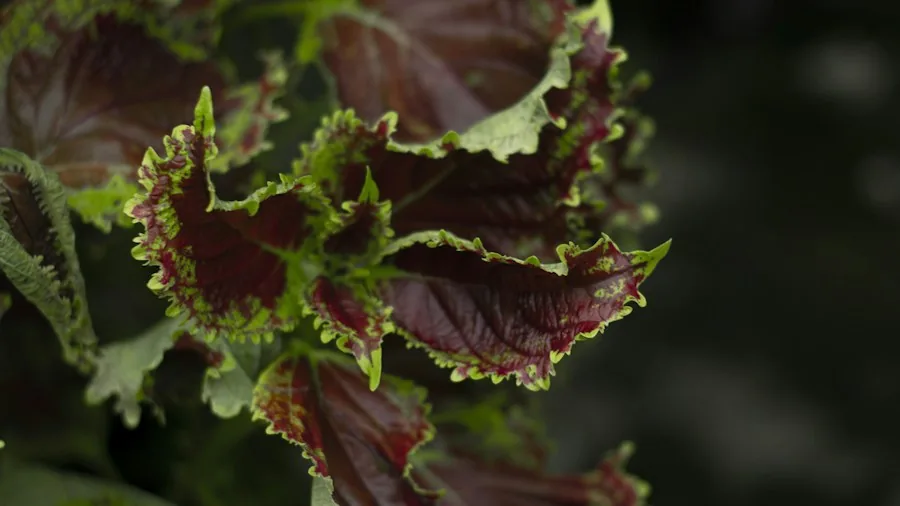
Keeping your overwintered coleus thriving requires balancing light, moisture, and routine maintenance. Position plants where they receive plenty of bright, indirect sunlight. If natural light is limited, consider adding a full-spectrum grow light to maintain those vibrant foliage colors.
Water carefully during winter months. Allow the top inch of soil to dry out between waterings, and never let pots sit in waterlogged saucers. Growth naturally slows in winter, so avoid heavy fertilizers. Instead, apply a diluted organic houseplant feed or seaweed tonic once monthly to keep roots strong without forcing excessive top growth.
Routine pinching is your secret weapon for maintaining attractive, bushy plants. Every few weeks, use your fingers or sharp snips to pinch back the growing tips and any emerging flower spikes. This forces the plant to branch out into a full, lush specimen by spring rather than becoming tall and woody.
Moving Plants Back Outdoors in Spring
Once nighttime temperatures reliably stay above 50 degrees Fahrenheit and frost danger has passed, you can transition your coleus back outside. Before moving them to permanent outdoor spots, spend about a week hardening them off by placing them in a sheltered, shady outdoor location during the day and bringing them inside at night. This gradual adjustment prevents sunburn and cold shock.
By following these straightforward steps, shoppers can enjoy uninterrupted coleus color from summer through winter and beyond, making this tropical beauty a year-round investment in home and garden beauty.





Write Your Review
No reviews yet. Be the first to share your experience!