

As fall arrives, many gardeners feel the urge to tidy up their landscape before winter sets in. However, October pruning can actually harm some of your most treasured plants. Cutting back the wrong species at the wrong time can destroy next spring’s flower display, trigger frost damage, or invite disease. Understanding which plants should stay off your pruning list this month will help you protect your garden’s health and beauty.
Why October Timing Matters for Plant Pruning
Pruning is far more than a cosmetic trim. It shapes plant growth, encourages vigor, and maintains landscape health. The critical factor is timing. Different plants follow different schedules, and there is no single best month to prune everything in your garden. Pruning at the wrong time can be significantly worse than skipping it entirely. In October specifically, several popular landscape plants are in vulnerable stages where cutting them back will cause real problems.
The core issue is that October pruning stimulates tender new growth that will not have time to harden before the first freeze arrives. Additionally, fresh cuts on damp autumn days create openings for fungal infections and rot. For plants that set next year’s flower buds after spring blooming, October pruning simply removes those buds before they can produce flowers.
Five Plants to Leave Alone in October
Lilacs
Lilac shrubs produce stunning, fragrant blossoms in lavender, pink, or white, making them garden favorites. Many people assume these vigorous plants need frequent maintenance, but lilacs are actually among the most carefree flowering shrubs available. The critical timing issue is that lilacs form their flower buds for the following year immediately after they finish blooming in early summer. Every cut you make in October removes buds that would have turned into spring flowers. Beyond lost blooms, fall pruning encourages soft new growth that will suffer winter dieback when freezes arrive. Wet autumn conditions also increase the risk of fungal problems on fresh pruning wounds. The right time to prune lilacs is immediately after flowering, typically around June.
Forsythia
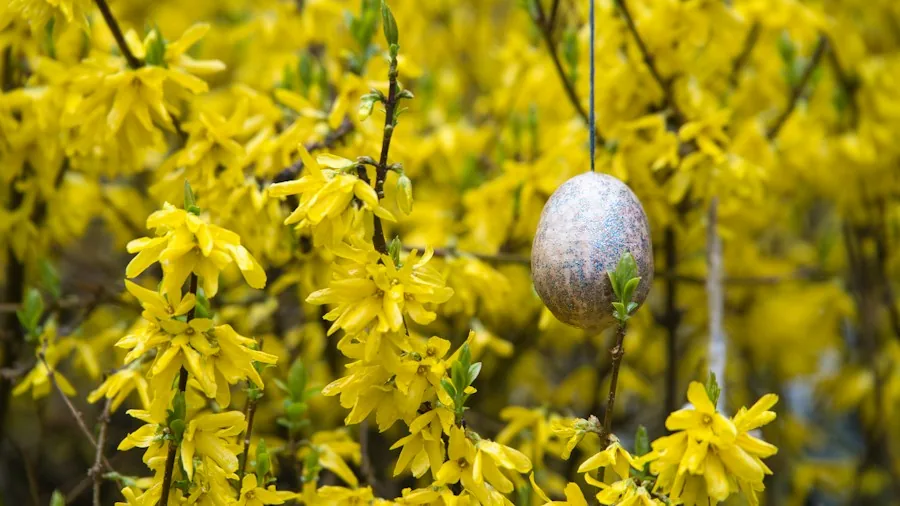
Forsythia’s brilliant yellow blossoms are reliable spring harbingers, often the first flowers to emerge from dormancy. Like lilacs and most spring-blooming shrubs, forsythia grows on old wood and sets next year’s flower buds just after current flowers fade. While forsythias benefit from annual pruning, this must happen right after blooming to maintain shrub health and vigor. Pruning forsythia in October or anytime from midsummer through winter will drastically reduce spring blossoms and stress the plant with tender growth that may freeze.
Pink Muhly Grass
Pink muhly grass stands out as one of the most popular ornamental grasses for residential landscapes. This graceful species creates its most spectacular show in September and October, when massive cloud-like pink seed plumes transform the garden. Six Ornamental Grasses to Buy for Stunning Fall Gardens explains how these plants serve multiple purposes beyond decoration. The standing foliage and seed heads provide essential food and shelter for wildlife throughout the cold months. The plant’s top growth also protects the crown from freezing temperatures and prevents moisture from pooling around the base. Cutting back pink muhly grass in October eliminates all these benefits at once.
Azaleas
Azaleas produce brilliant clusters of trumpet-shaped flowers that seem to float into the garden like clouds each spring. While some azalea varieties need little or no pruning, others benefit from trimming to improve air circulation. If your azaleas require pruning, do it immediately after spring blooms fade. By October, flower buds have already set, so pruning simply removes blossoms before they have any chance to appear. Fall pruning also triggers tender new growth that cannot harden off before frost damage occurs.
Emerald Green Arborvitae
Emerald Green arborvitae is one of the most popular evergreen choices for privacy hedges and backdrops. This classic shrub maintains its naturally narrow shape and dense green foliage year-round with minimal maintenance. Best Native Hedges to Plant This Fall highlights the importance of proper hedge timing and care. If you want to tidy up arborvitae shape, do so in late spring or early summer. Fall pruning creates wounds that make the plant susceptible to fungal disease during wet seasons and stimulates growth at precisely the wrong moment. Soft new stems lack time to toughen before winter freezes arrive, leading to bare spots, breakage under snow and ice loads, and overall plant stress.
What This Means for Your Fall Garden Plans
The bottom line is simple: resist the urge to prune these five plants in October. Add This Fungi to Fall Planting Holes shows how fall is actually the right time for other garden tasks. Of course, always remove any broken, dead, or diseased branches whenever you spot them, regardless of season. For everything else on these five species, wait for the appropriate season and enjoy healthier plants with better blooms and fewer disease problems next year.




Write Your Review
No reviews yet. Be the first to share your experience!