
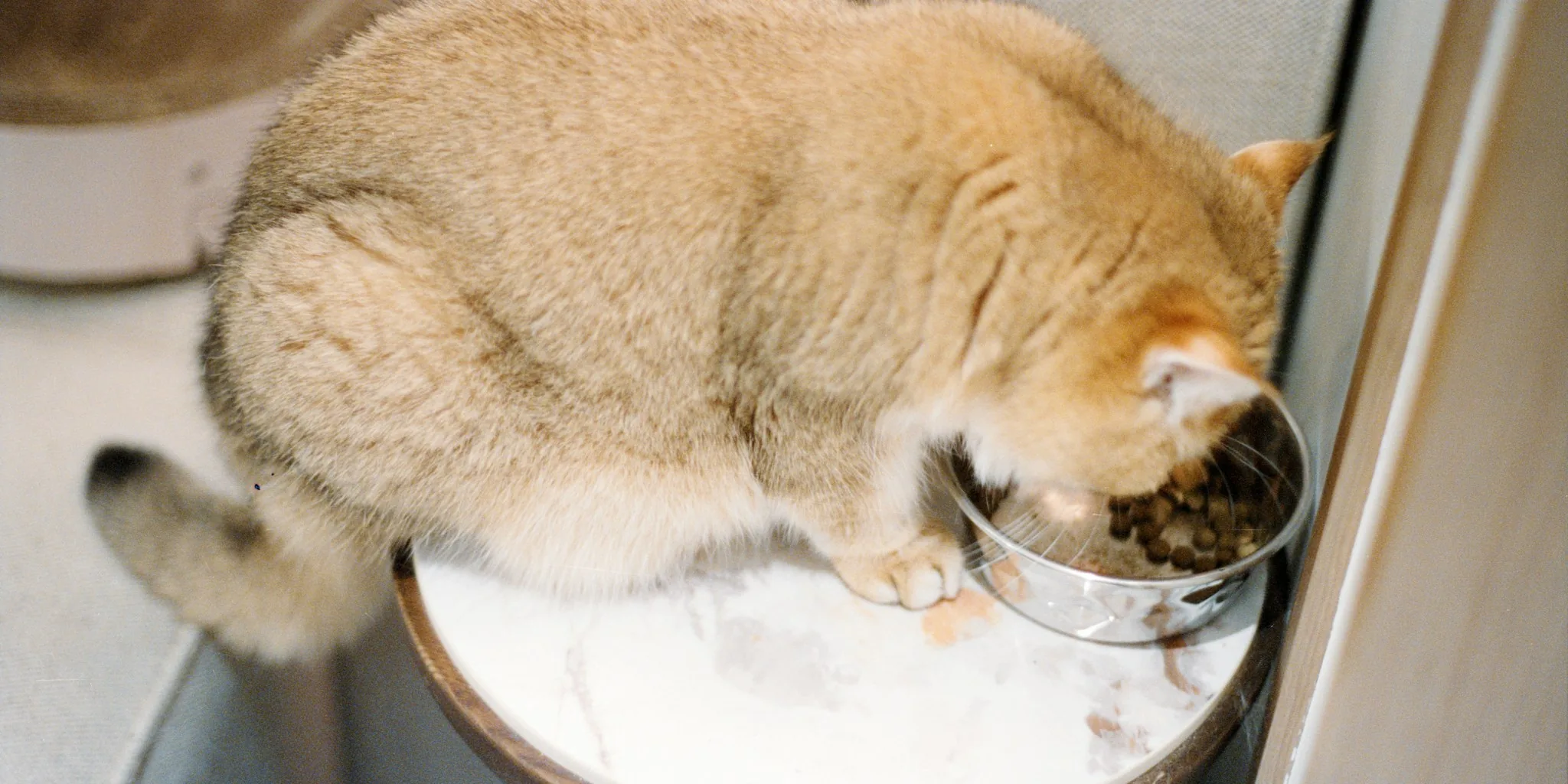

New Research Reveals the Real Reason Cats Seem Picky About Food
If you’ve ever watched your cat eagerly approach their food bowl, take a few bites, and then walk away leaving a perfectly good meal behind, you’re not alone in your frustration. Most cat owners assume their pets are simply being difficult eaters, but recent research from Iwate University in Japan suggests something far more interesting is happening: your cat’s nose might just be bored.
Scientists studying feline feeding behavior discovered that cats experience what researchers call olfactory habituation. This means that as cats become accustomed to the smell of their food, their motivation to keep eating gradually decreases, even when they’re not completely full. The moment researchers introduced the scent of a different food, without actually changing what was in the bowl, the cats immediately resumed eating with renewed interest.
Understanding Your Cat’s Extraordinary Sense of Smell
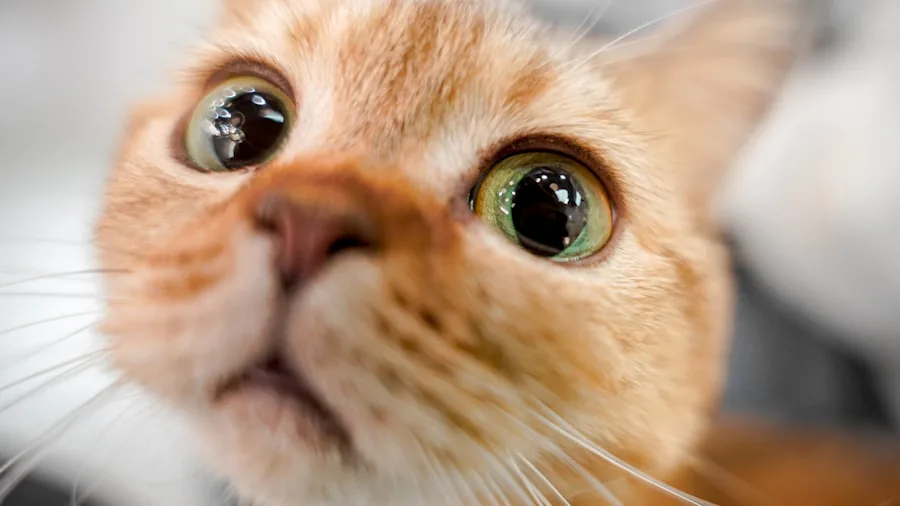
The science behind this behavior comes down to biology. A cat’s olfactory system contains roughly 200 million scent receptors, compared to only about six million in humans. Beyond that impressive number, cats possess a specialized organ called the vomeronasal or Jacobson’s organ, which detects certain chemical signals that humans cannot perceive. Together, these sensory systems give cats an extraordinarily refined ability to evaluate food.
This heightened sense of smell makes perfect evolutionary sense. Cats are obligate carnivores descended from solitary hunters whose wild ancestors typically captured several small prey animals throughout the day, each with its own unique scent profile. Rather than eating the same food repeatedly, ancestral cats encountered natural variety with every successful hunt. That ancient instinct remains hardwired into today’s indoor pets, even thousands of years later.
Think of walking into a bakery: the aroma of fresh bread is almost impossible to ignore at first, but after spending time inside, you barely notice it anymore. Your nose hasn’t stopped working; your brain has simply become accustomed to the smell. The same neurological process occurs when your cat sits down to dinner.
What This Means for Cat Owners and Product Shoppers
Before you start rotating your cat’s food daily, it’s important to understand what normal feline eating looks like. A healthy cat occasionally leaving food behind doesn’t automatically signal a problem. Appetite naturally fluctuates, and many cats prefer eating several smaller meals throughout the day rather than one large serving.
However, a sudden or persistent decrease in food intake should never be ignored. Cats that stop eating completely face serious health risks, including hepatic lipidosis, a potentially life-threatening liver condition that can develop after only a few days of inadequate calorie intake.
Understanding how scent influences your cat’s appetite opens up practical shopping options for pet owners. Warming wet food slightly can enhance its aroma and appeal. Serving fresh portions instead of leaving food out for extended periods helps maintain the food’s scent profile. Many shoppers find success by choosing cat foods in different flavors within the same nutritionally complete product line, which provides the sensory variety cats crave while maintaining consistent nutrition.
These strategies may prove particularly valuable for cats recovering from illness or those with naturally reduced appetites, though more research is needed before these findings translate into clinical recommendations. Any dietary changes should always be made gradually and under veterinary guidance, especially for cats with gastrointestinal disease, food allergies, chronic kidney disease, diabetes, or those eating prescription therapeutic diets.
Why Your Cat Isn’t Picky, Just Sensory Driven
The research involved only 12 cats under controlled conditions, so larger studies will eventually help scientists understand exactly how these findings apply to the broader cat population. Still, the work adds to growing evidence that feline appetite depends on far more than an empty stomach.
When your cat leaves half a meal behind, it doesn’t automatically mean they dislike the food or are experiencing illness. Sometimes it simply reflects the sophisticated sensory world that cats experience every day. Your pet isn’t being difficult; they’re following instincts honed over millions of years of evolution. As a cat parent, recognizing this difference helps you make smarter choices about feeding routines and product selection.
Next time your cat walks away from their bowl, remember that their remarkable nose has already gathered an extraordinary amount of information. Rather than dismissing the behavior as pickiness, consider it a window into feline biology. Your understanding of this sensory-driven behavior will help you choose better products and feeding strategies that keep your cat healthy and engaged at mealtime.



Write Your Review
No reviews yet. Be the first to share your experience!