
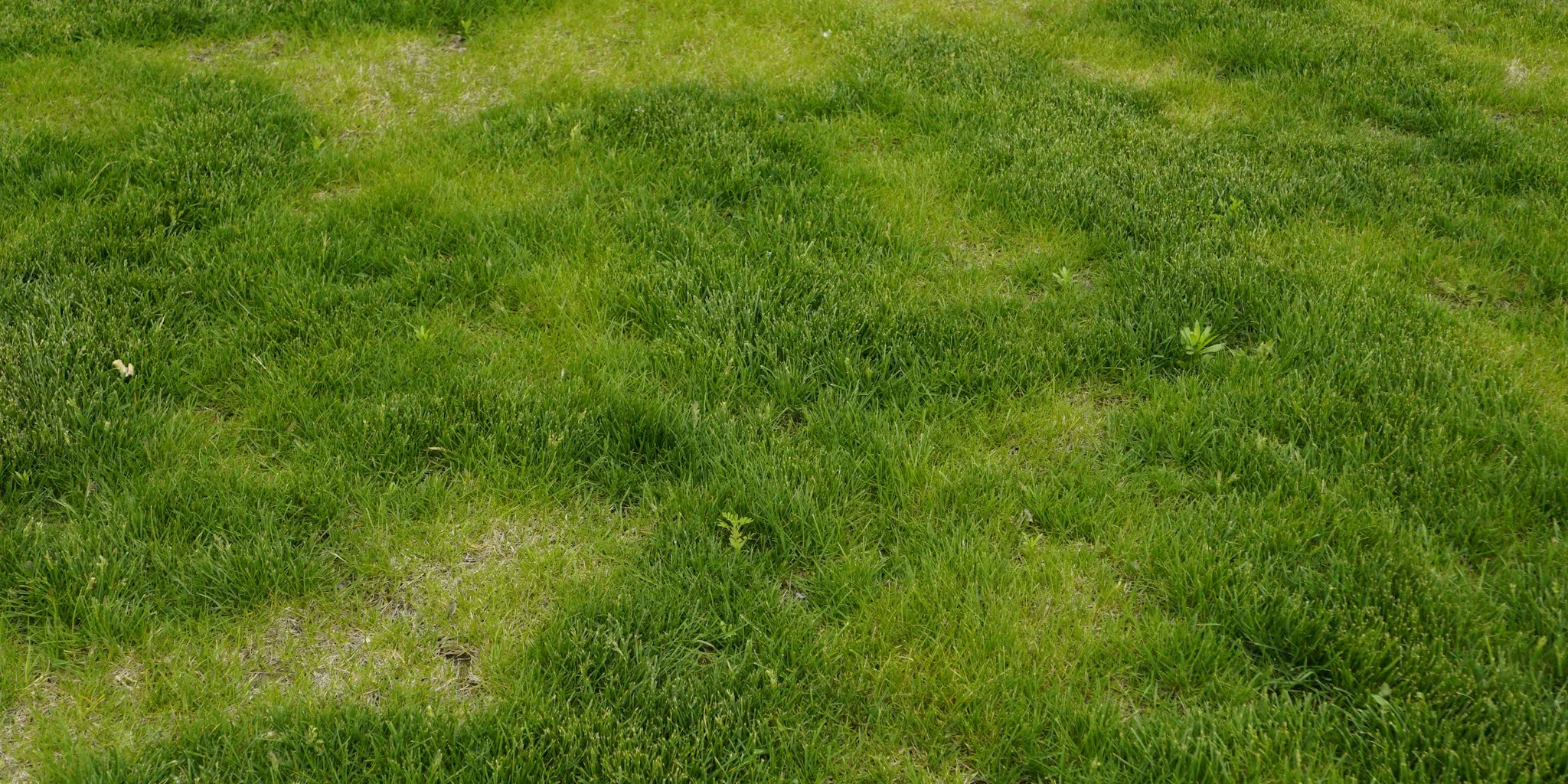

If your lawn is dotted with patches of brown grass that refuse to green up after recent rain, you may be facing a bigger problem than drought damage. Chafer grubs, the white C-shaped larvae of garden beetles, are surging in numbers this year due to the combination of hot, dry summer conditions followed by late-season moisture. Understanding what these pests are, how to identify them, and when to act is critical to saving your yard before it’s too late.
Why This Year Is Different for Chafer Grub Infestations
In typical years, healthy grass can easily outpace the damage caused by small populations of grubs feeding on root systems underground. This year is far from typical. The prolonged heat and drought stress weakened grass across the country, forcing it to struggle while trying to generate new roots. When grass is already struggling, even modest numbers of root-eating grubs can cause severe damage that spreads rapidly across your lawn.
The situation worsened when late-season rains arrived. During the dry months, grubs that had burrowed deeper into the soil seeking moisture migrated back to the surface to feed. This concentration of hungry larvae, combined with weakened grass, has created a perfect storm for lawn destruction in many yards. Additionally, if you watered ornamental borders or garden beds throughout the summer, the adjacent lawn likely received extra moisture that attracted adult beetles looking for soft soil in which to lay eggs. Brown, dormant grass from drought also masked early warning signs of grub damage, allowing infestations to worsen without notice.
How to Identify a Grub Problem in Five Minutes
The first step is determining whether brown patches are simply dormant grass or actually grub damage. Perform a simple test: grab a handful of discolored grass and pull hard. If the blades separate easily from the soil with little resistance, grubs have likely eaten through the root system. If roots hold firm, the discoloration is probably drought dormancy that will fade once rain continues.
If the pull test suggests grubs, take the next step. Use a sharp spade to cut a U-shaped section of affected turf and fold it back like a flap. Examine the soil beneath for fat, C-shaped larvae that are creamy white in color, typically over half an inch long. Their rear halves are plumper than their heads. If you spot these grubs and notice they have a slightly darker head and three pairs of front legs, you have confirmed a chafer grub infestation. Additional clues include soft, spongy patches underfoot and signs that wildlife like raccoons, skunks, or crows have torn up sections of lawn hunting for the tasty larvae.
The Most Effective Treatment Option
Once you have identified grubs, act quickly. The best approach is using beneficial nematodes, which are microscopic worm-like organisms that hunt down grubs and infect them with a bacteria harmless to humans, pets, and pollinators. This natural method avoids the indiscriminate killing of beneficial insects that broad-spectrum insecticides cause.
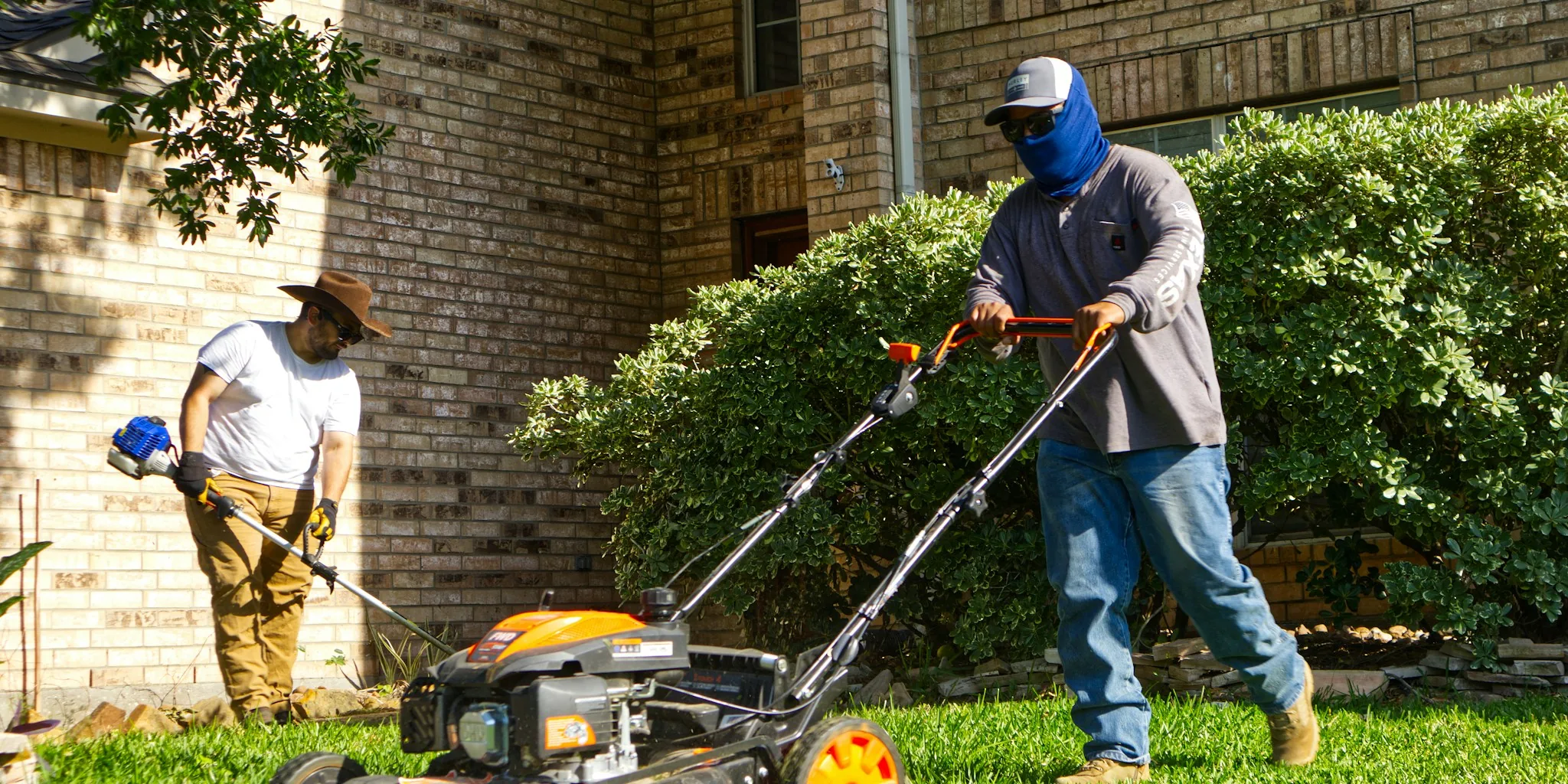
After purchasing nematodes, the success of treatment hinges on soil moisture. Saturate your lawn thoroughly before application, and apply nematodes in the evening or on a cloudy day. Mix the nematodes with water according to package instructions and apply evenly across the damaged area plus a four-foot buffer zone around it. For multiple problem spots or widespread infestation, treat the entire lawn. Proper lawn maintenance equipment helps prevent conditions that attract grubs in the first place, but once they arrive, consistent moisture is your nematode treatment partner.
Immediately after application, water lightly to wash the nematodes into the soil. For the next two weeks, maintain consistently moist soil through regular watering if rain does not fall. Nematodes cannot survive in dry conditions, so this step is non-negotiable. For severe infestations, extending this moisture period to 12 to 15 days allows successive generations of nematodes to emerge and continue hunting any remaining grubs.
Why Timing Matters So Much
Do not delay treatment. Chafer grub larvae follow a predictable lifecycle: beetles lay eggs in early summer, which hatch into larvae by mid-summer that feed voraciously through late summer and early fall. Right now, in September and early October, these grubs are still feeding actively near the soil surface where nematodes can reach them. As soil temperatures drop below 54 degrees Fahrenheit, the larvae burrow deep into the ground to enter dormancy beneath the frost line. Once buried that deep, nematodes cannot reach them effectively, making treatment nearly impossible until the following spring.
A soil thermometer lets you confirm grub activity. As long as soil temperature stays above 54 degrees, treatment is viable. Healthy lawn care and regular maintenance can reduce overall susceptibility to severe infestations by keeping grass strong, but once grubs arrive, this narrow treatment window is your only practical opportunity to eliminate them before winter.
Brown patches in your September lawn are not a guaranteed disaster, but they demand investigation. A five-minute diagnostic test will tell you if grubs are the culprit, and if they are, swift action with beneficial nematodes and consistent watering offers an excellent prognosis for recovery. Ignoring the problem risks watching your lawn deteriorate further as grubs continue their root-eating rampage.



Write Your Review
No reviews yet. Be the first to share your experience!