

Affordable Garden Solutions Are Finally Here
Gardening costs can add up quickly, especially when you need containers to hold soil for raised beds, balcony gardens, or patio plantings. Whether your yard lacks quality soil or you’re gardening in a limited space, quality containers typically drain your wallet fast. That’s where cinder blocks come in: an affordable, widely available, and remarkably durable option that transforms your garden setup without breaking the bank.
Why Cinder Blocks Work So Well for Gardening
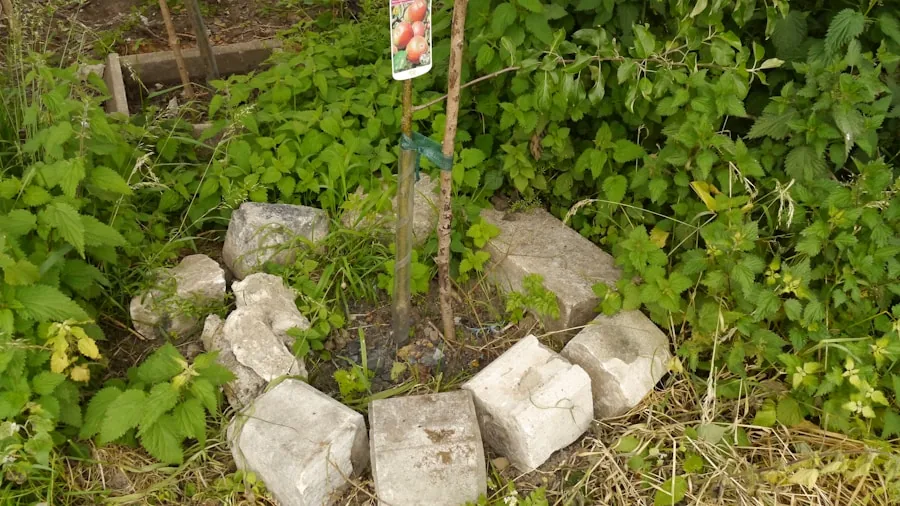
Cinder blocks, also called concrete masonry units or breeze blocks, offer a unique advantage for gardeners. Unlike solid bricks, cinder blocks feature two hollow centers running through their length. This design serves a dual purpose: it reduces weight and material while maintaining structural integrity. For gardeners, this hollow design is perfect. Simply fill these cavities with soil, and you instantly have two separate planting spaces from a single block.
Beyond the practical hollow design, cinder blocks remain stackable and cohesive in appearance, allowing you to build raised beds, living walls, or pyramid-shaped garden structures. You can outline a traditional raised bed with cinder blocks and plant both in the hollowed centers of the walls and inside the bordered area itself. For vertical gardening enthusiasts, laying blocks on their sides and stacking them creates an attractive living wall. The creative possibilities truly depend on your imagination and gardening goals.
Safety Concerns: Separating Fact from Myth
One persistent question from gardeners involves safety: can you really grow edible plants like vegetables and herbs in cinder blocks? The short answer is yes. Historical concerns stemmed from outdated information about cinder block manufacturing. Decades ago, these blocks were literally made from cinders, a byproduct of coal burning, making them unsafe for food gardens. However, commercial cinder block production abandoned this method over fifty years ago.
Modern cinder blocks are simply concrete cast into the traditional hollow shape. They’re as food-safe as any expensive concrete planter you’d buy from a garden supply store. The key to safety lies in sourcing new blocks rather than used ones. Previously used cinder blocks may have contacted paint, solvents, or unknown substances that make them unsuitable for growing edibles. New cinder blocks cost under three dollars each, making this investment in safety completely reasonable.
Where to Buy and What to Expect
Finding cinder blocks takes some effort since they’re not stocked everywhere, and online retailers like Amazon largely avoid them. However, major home improvement chains including The Home Depot, Lowe’s, and Ace Hardware all deliver cinder blocks to your address. You can purchase standard 8-inch by 8-inch by 16-inch concrete blocks for under three dollars apiece at most locations.
When shopping online or in-store, be careful not to confuse standard blocks with miniature versions sold on some platforms. Standard cinder blocks provide ample planting space, while mini versions won’t offer the same functionality. For a complete garden project, you can gather six blocks for under twenty dollars, making it possible to experiment with different arrangements and designs without worrying about cost.
Building Your Cinder Block Garden

Starting a cinder block container garden requires minimal preparation. If you’re concerned about drainage or want to add a finished look, consider pairing your blocks with quality garden hoses for easy watering. For those planning more permanent structures, raised garden beds made from cinder blocks offer stability and longevity.
Fill the hollow centers with potting soil or garden soil mixed with compost. Plant vegetables, herbs, flowers, or succulents directly into these spaces. The natural insulation from concrete helps regulate soil temperature, which benefits many plant varieties. Stack multiple blocks to create tiered garden displays or taller planting areas.
When you’re ready to work in your garden, protective gardening gloves keep your hands clean and comfortable. The rough texture of cinder blocks can be hard on bare hands during extended gardening sessions.
The Bottom Line
Cinder blocks represent an underutilized solution for budget-conscious gardeners seeking durability and versatility. At less than three dollars per block, they cost significantly less than specialized garden containers while offering comparable functionality. Whether you’re building a raised bed, creating a vertical garden, or simply needing extra planting containers for a patio or balcony, cinder blocks deliver practical value. Their stackability and modular design mean you can expand or redesign your garden setup whenever inspiration strikes. For those tired of expensive gardening solutions, picking up a handful of cinder blocks might be the most cost-effective decision you make this season.






Write Your Review
No reviews yet. Be the first to share your experience!