

A refreshingly simple gardening hack is gaining attention among backyard enthusiasts and professional pest control advocates alike. The method combines two of gardening’s most rewarding activities: attracting songbirds and controlling slug infestations, all using a household item most of us would otherwise discard.
The Basic Method That Works
The concept is straightforward and requires minimal effort. Cut leftover citrus fruits such as oranges or grapefruits in half and position the hollow rinds throughout your garden beds and borders. That single step creates a two-in-one pest management and wildlife feeding station that addresses problems many home gardeners face every growing season.
According to bird feeding specialists, the approach leverages natural ecosystem behavior. Birds, particularly orioles and other fruit-eating species, are attracted to the exposed citrus flesh as a food source. Meanwhile, slugs seek shelter in the cool, damp environment beneath the fruit rind. Once slugs gather in these convenient traps, visiting birds return to feed on them, establishing a natural predator-prey cycle that reduces slug populations without harmful chemicals.
Why This Solution Appeals to Smart Gardeners
The appeal extends beyond pure effectiveness. This method represents a shift away from chemical warfare against garden pests toward working cooperatively with nature. Rather than deploying slug baits or pellets that can harm beneficial insects and pets, gardeners using citrus traps harness birds as natural slug hunters.
The environmental benefits are significant. No synthetic pesticides enter your soil or groundwater. No non-target insects suffer unintended consequences. The system simply encourages the predator-prey relationships that already exist in functioning garden ecosystems. For those investing in proper gardening gloves and tools to tend their plants, protecting that same garden from unnecessary chemical exposure makes logical sense.
Setting Realistic Expectations
Experienced gardeners emphasize that citrus halves won’t eliminate every slug overnight. This is garden management, not guaranteed eradication. Slug populations vary by season, rainfall, and garden conditions. However, when deployed consistently across a growing season, the technique noticeably reduces damage to prized plants like lupines, hostas, and tender seedlings that slugs favor.
Success improves when you combine this method with other slug-resistant practices. Remove debris where slugs hide during the day. Create raised beds that slugs struggle to access, or consider installing raised garden beds that elevate vulnerable plantings. Space plants adequately to improve air circulation, which slugs dislike. Use copper barriers around individual plants if needed. The citrus trap works best as part of an integrated approach.
Practical Implementation Tips
Start collecting citrus halves from your breakfast table or kitchen. Grapefruit, oranges, lemons, and limes all work. Position the hollow rinds cut-side down throughout your garden, focusing on areas where you’ve noticed slug activity or where susceptible plants grow. Place them every few feet rather than clustering them in one location. The broader the coverage, the more slugs you intercept before they reach your vegetables and ornamentals.
Check traps every morning or evening. You’ll often find slugs sheltering beneath. Simply dispose of them as you prefer, and return the rind to its position. Replace the citrus halves every few days as they dry out or decompose. During peak growing seasons, this rotation keeps the system functioning effectively. The decomposing citrus also adds organic matter back to your soil as a bonus benefit.
Extending Your Garden’s Appeal
Beyond slug control, this approach actively invites desirable wildlife into your garden. Regular bird visitors provide natural pest control beyond just slugs. They consume insects, aphids, and other plant-damaging pests. Establishing a reputation as a bird-friendly space encourages more frequent visits, multiplying the pest control benefits throughout your entire yard.
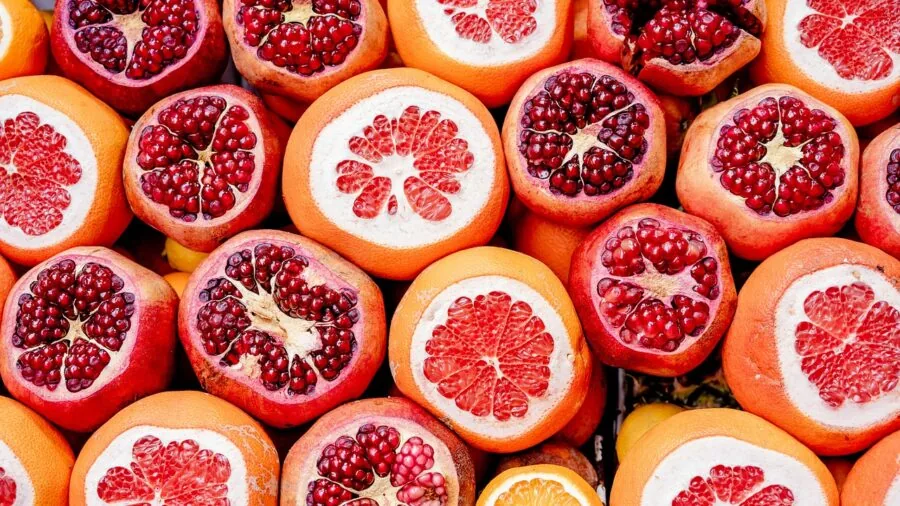
For those serious about supporting local bird populations, combine the citrus feeding with other bird-friendly practices. Install proper bird feeders alongside your citrus traps. Provide fresh water with a simple bird bath. Protect adequate shelter with native shrubs and trees. Apply these strategies consistently, and your garden becomes a genuine wildlife sanctuary while remaining highly productive for your own harvests.
Making the Switch Worth Your Time
The beauty of this method lies in its accessibility. No special equipment, expensive products, or technical knowledge required. No concerns about chemical safety when children or pets spend time in your yard. The only real investment is attention and consistency.
If you currently struggle with slug damage to your prize plantings, or if you’ve been hesitant to use chemical controls, this natural alternative deserves a try. Pair it with quality garden care tools and hoses for regular watering and maintenance, and you’ve established a sustainable, chemical-free gardening system that works with nature rather than against it. Start small with a few citrus halves next season, monitor results, and expand the practice based on your observations. Most gardeners who try this approach find the dual benefits of bird feeding and slug reduction too practical to abandon once the growing season begins.

Write Your Review
No reviews yet. Be the first to share your experience!