


Independent coffee businesses across the United States are facing unprecedented disruption, with multiple closures and sales announced over the past year following immigration enforcement actions. The trend reveals a growing vulnerability among small coffee operators and raises concerns about supply chain stability for consumers who depend on these local establishments.
Recent Closures and Business Changes
City Watch Coffee, a two-location business operating in Pennsylvania’s Lebanon Valley since 2022, announced it would close one location and prepare to sell the company after its co-owner was detained by U.S. Immigration and Customs Enforcement. The business, described as community-driven, plans to cease operations at its Cleona location while its Lebanon location remains open temporarily. The owner’s spouse shared on social media that the family plans to relocate to Cambodia to stay together.
This closure marks part of a troubling pattern affecting independent coffee shops nationwide. Buenos Dias Coffee in Georgia, which had operated for three years, closed and sold its business after an owner’s family member was detained. Artessence Coffee Shop in Florida temporarily shut down during a similar situation before new operators took over in fall 2025. Sands Coffee Roasters in California experienced delays to its expansion plans when its founder was detained while working as a rideshare driver to finance growth.
Beyond owner-operators, individual coffee workers have been detained, causing immediate operational challenges. One Minnesota cafe, Crumbs and Coffee, closed permanently after losing a key cook to ICE detention, leading to a 60 percent sales decline and inability to cover rent. In Oregon, another coffee business lost two employees to detention despite both workers holding valid permits to work in the United States.
Impact on Coffee Supply and Production
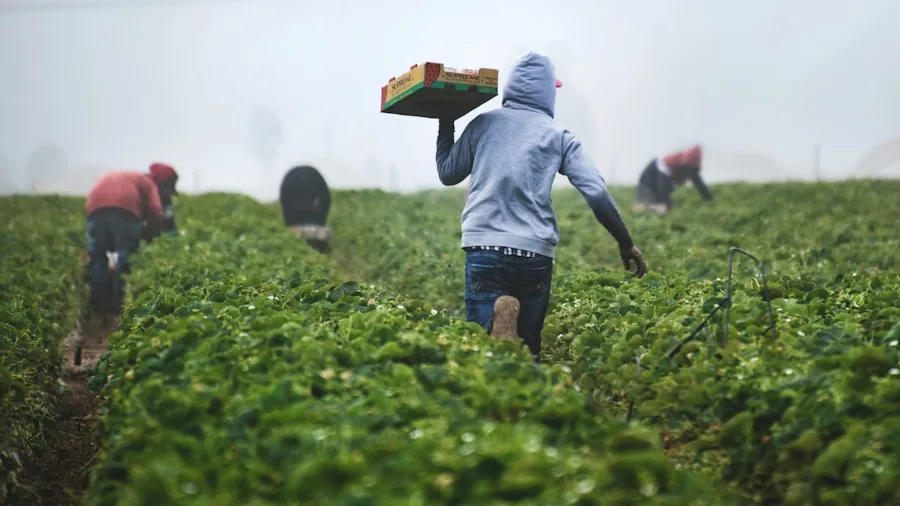
The consequences extend beyond retail locations to coffee production itself. During the 2025 harvest season on Hawaii’s Big Island, more than 100 coffee farm workers were arrested and removed from the island’s southern coast. Farmers reported that other seasonal workers, including some with legal residency or work authorization, avoided traveling to the region due to fear of detention, creating labor shortages during a critical production period.
For consumers seeking quality ground coffees for every budget, these supply disruptions could mean higher prices and reduced availability as local operations downsize or close. Smaller specialty roasters often source from regional farms and employ workers deeply connected to their communities, making them particularly vulnerable to sudden workforce losses.
What This Means for Coffee Shoppers

The closure of independent coffee establishments affects where consumers can purchase their morning brew and impacts the broader coffee culture in local communities. When established cafes shutter, customers lose access to unique blends, personalized service, and community gathering spaces that chain operations often cannot replicate. The disruption to small businesses also disrupts employment for baristas, managers, and support staff.
For those who rely on coffee during their commute, the loss of neighborhood shops means reconsidering where to stop for travel coffee mugs and ready-to-drink options. Consumers may need to adapt their routines or travel farther to find alternative sources for their preferred coffee varieties and specialty drinks.
The trend also has implications for premium coffee drinkers. Many independent roasters focus on sourcing high-quality, ethically-grown beans and developing distinctive flavor profiles. When these businesses close due to circumstances beyond their control, the market loses diversity and consumer choice narrows. Organic coffee options for every budget often come from smaller roasters invested in sustainable sourcing, meaning their closure represents a setback for environmentally-conscious consumers.
Looking Ahead
The pattern of disruptions suggests that independent coffee operators face mounting challenges to maintaining stable operations. Community members have expressed concern about the unintended consequences of enforcement actions on local economies and small business viability.
As a consumer, staying aware of these changes helps you understand why your favorite local coffee shop might suddenly close or change ownership. Supporting independent cafes when possible strengthens these businesses, though recognizing that some closures stem from circumstances entirely outside management control is important. The coffee industry, from farm to cup, continues to adapt to broader economic and social pressures.






Write Your Review
No reviews yet. Be the first to share your experience!