
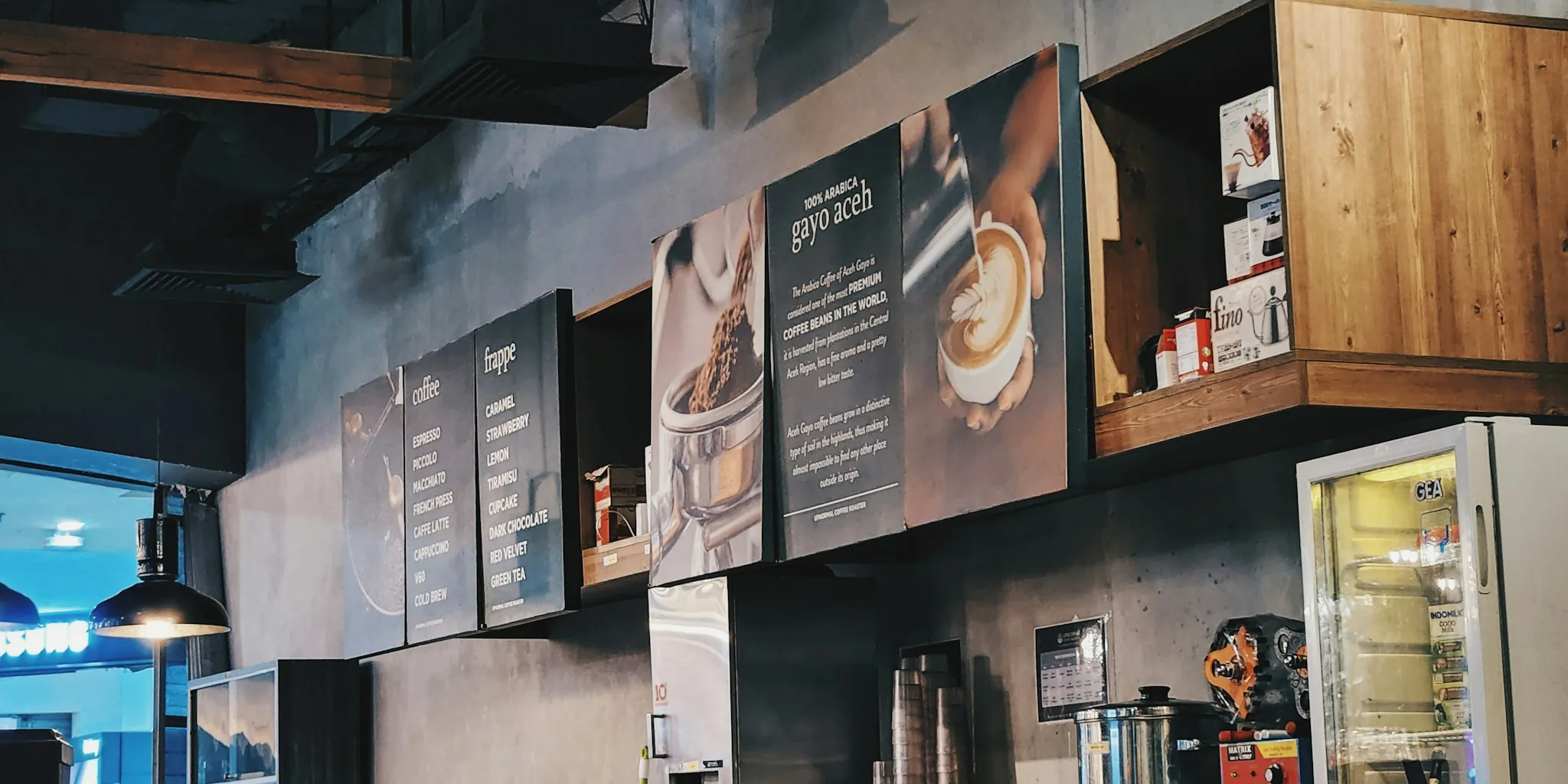

Coffee isn’t just about the brew anymore. The spaces where we drink it have become just as important as what’s in the cup, and a striking new cafe in Central Asia is proving just how thoughtful design can transform a simple coffee shop into a destination.
Six Coffee + Wine, a newly completed cafe and wine bar housed in a historic Stalin-era building in Almaty, Kazakhstan, showcases an innovative approach to spatial design that coffee enthusiasts and design-conscious shoppers should know about. The 3,229-square-foot venue demonstrates how modern architecture firms are rethinking cafe interiors to create memorable experiences that extend far beyond serving quality beverages.
The Day-to-Night Design Concept
The cafe’s defining feature is its five interconnected rooms that progress visually and atmospherically from morning to evening. This isn’t accidental. The design studio behind the project intentionally created distinct zones that shift in color, lighting, and mood as customers move through the space. The morning section features warm yellow and soft pink tones, while transitioning areas become progressively more intimate and evening-focused.
For shoppers evaluating where to spend their coffee dollars, this design philosophy matters. A well-designed cafe influences how you experience your beverage and how long you stay. Lighting, color transitions, and spatial flow all affect comfort and satisfaction, which is why coffee shops worldwide are investing heavily in architectural design.
Materials That Tell a Story
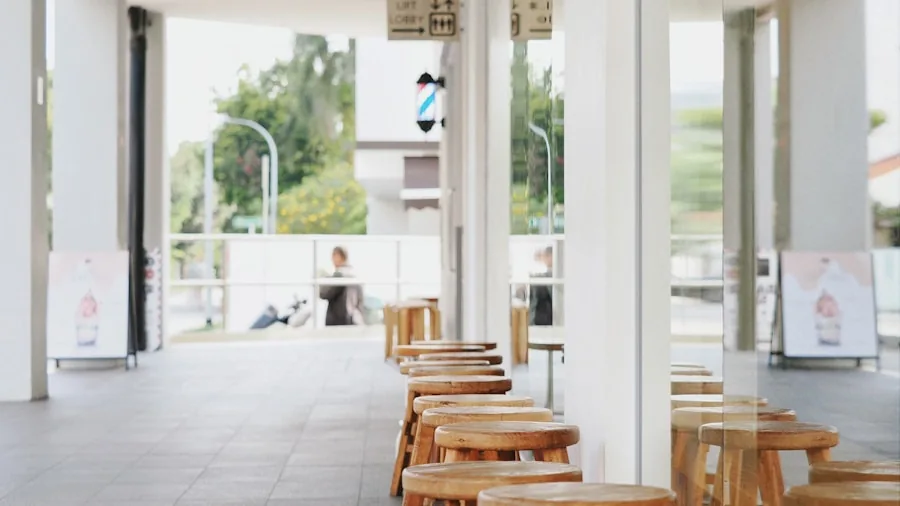
Six Coffee + Wine incorporates shell limestone, a material found on Almaty’s most iconic landmarks, throughout its interior walls. This choice represents a broader trend: cafes are increasingly sourcing materials that connect to local heritage and geography. The limestone contains visible shell fragments that add character and visual interest while grounding the space in its regional identity.
The bar counter itself is carved from limestone in undulating forms, creating a sculptural centerpiece anchored by custom curved stainless steel lighting. This approach to the service area transforms what might otherwise be a purely functional element into a design focal point that customers notice and remember.
Flooring consists of terrazzo tinted to match the limestone, with marble inlays deepening the material narrative as you progress through the rooms. When you’re comparing coffee shops, these details matter because they signal investment in quality and intentionality across the entire experience.
Custom Stained Glass and Artistic Collaboration
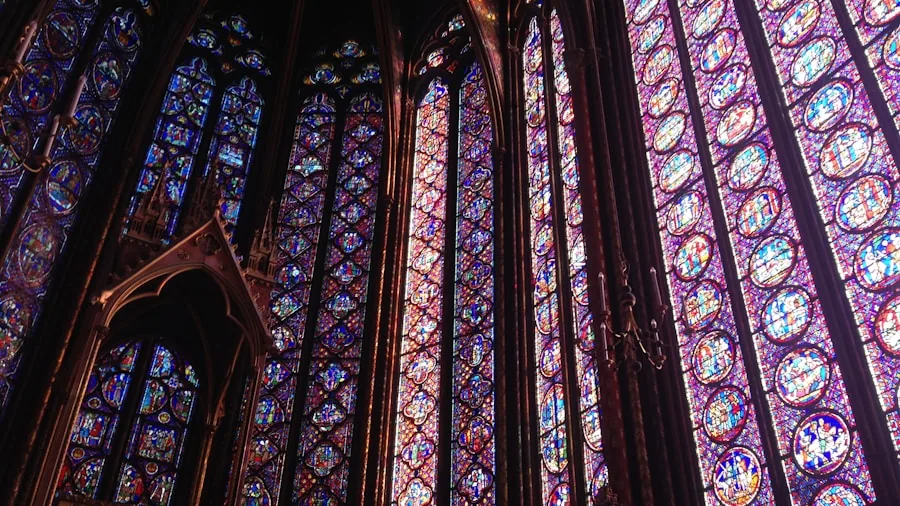
A standout feature is custom stained glass developed in collaboration with a local artist. The glass pieces feature a gradient pattern that mirrors the day-to-night progression, with tiny hidden details depicting miniatures of the cafe’s interior. This level of craftsmanship reflects a growing movement among premium cafes to commission original art rather than relying on mass-produced decor.
For coffee drinkers seeking venues worth visiting, these artistic elements create Instagram-worthy moments and conversation starters. They also support local creators, something many consumers increasingly value when choosing where to spend money.
Seating and Comfort Considerations
The furniture strategy blends local and international pieces. Seating from local brand Aq Objects draws inspiration from traditional yurt furniture, while sculptural chairs provide contrasting forms. This mixing of influences creates visual interest without feeling chaotic. Whether you’re enjoying a morning espresso or an afternoon meeting, the varied seating options mean something suits different preferences and occasions.
When shopping for a regular coffee haunt, comfort matters enormously. The choice and quality of seating directly impact whether you’ll linger or rush. Many consumers now evaluate cafes partly on their furniture quality and variety, recognizing that good seating makes a difference in their experience.
What This Means for Coffee Shop Culture
Six Coffee + Wine represents a significant shift in how the coffee industry thinks about retail spaces. Rather than cookie-cutter designs, ambitious cafes are partnering with architects and artists to create distinctive, locally-rooted environments. Quality brewing equipment matters, but so does the setting where you enjoy it.
The cafe’s progression from coffee service to wine service through spatial and atmospheric transitions signals something important: venues are becoming more versatile, designed to serve different occasions and times of day. This flexibility appeals to customers who want one excellent space to visit multiple times for different purposes.
For shoppers, this trend suggests that the next generation of coffee shops will compete not just on bean quality and barista skill, but on design thoughtfulness and cultural relevance. When you’re choosing where to spend your morning or meeting someone for coffee, you’re increasingly evaluating the entire package: brew quality, service, ambiance, and artistic integrity. The best coffee makers combine function with design, and the same principle now applies to the spaces where we drink coffee.
As more cafes follow this model of investing in distinctive design and local partnerships, consumers benefit from more memorable, culturally connected experiences. The coffee shop has evolved from a purely functional space into an extension of personal taste and values, where architecture and artistry enhance the simple pleasure of enjoying a good cup of coffee.




Write Your Review
No reviews yet. Be the first to share your experience!