

A Decades-Long Mystery in the Colorado Backcountry
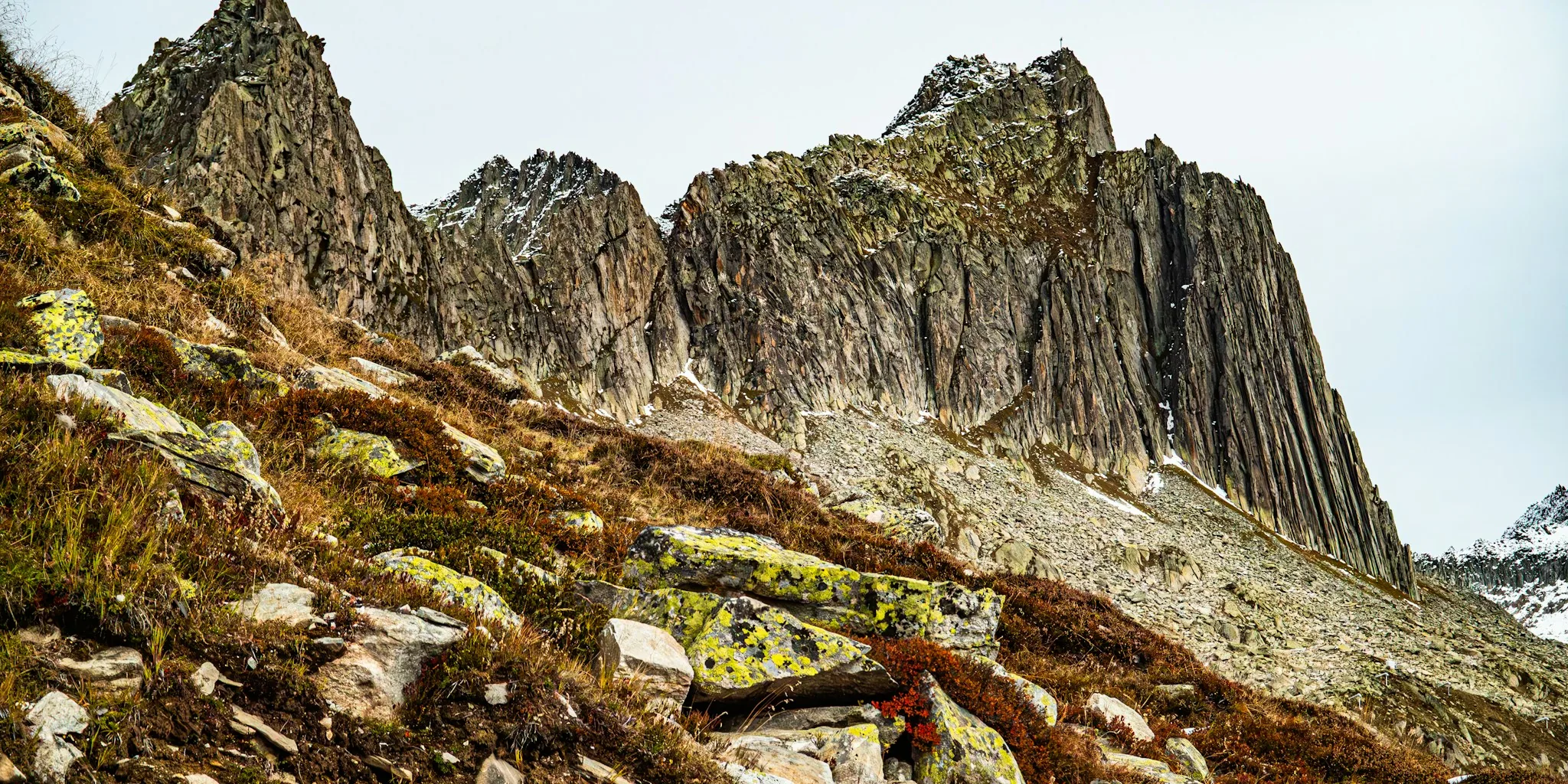
In September 2005, a 35-year-old mother of four set out on a hiking adventure in the Colorado high country and never returned home. Michelle Vanek, a passionate outdoor enthusiast from the Denver suburbs, disappeared on Mount of the Holy Cross while hiking with a neighbor. What began as a routine mountain outing turned into one of Colorado’s most extensive search and rescue operations, spanning nearly two decades and raising critical questions about backcountry safety.
The disappearance of Vanek on the rocky slopes of this rugged fourteener baffled rescuers and law enforcement officials across Eagle County for years. Hundreds of volunteers and professionals scoured the mountain’s terrain without finding any trace of the missing hiker. Her case remained unsolved for 19 years, prompting one of the state’s largest coordinated rescue efforts ever undertaken.
Understanding the Risks of Alpine Hiking
Vanek’s story underscores the very real dangers that exist in Colorado’s backcountry, even for experienced outdoor enthusiasts. Mount of the Holy Cross, while stunning and accessible to many hikers, presents serious challenges including steep terrain, sudden weather changes, and remote locations far from immediate help. The mountain’s rocky slopes and high elevation create conditions where a single wrong step or unexpected incident can quickly become life-threatening.
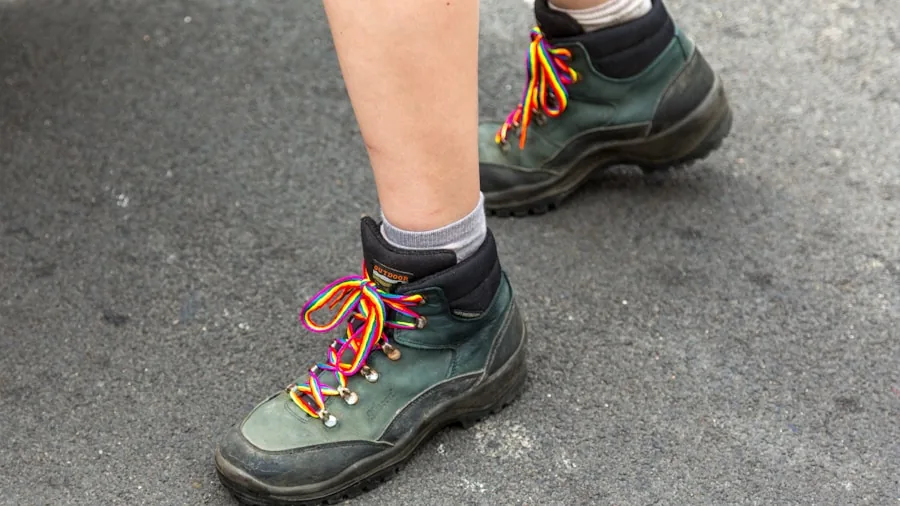
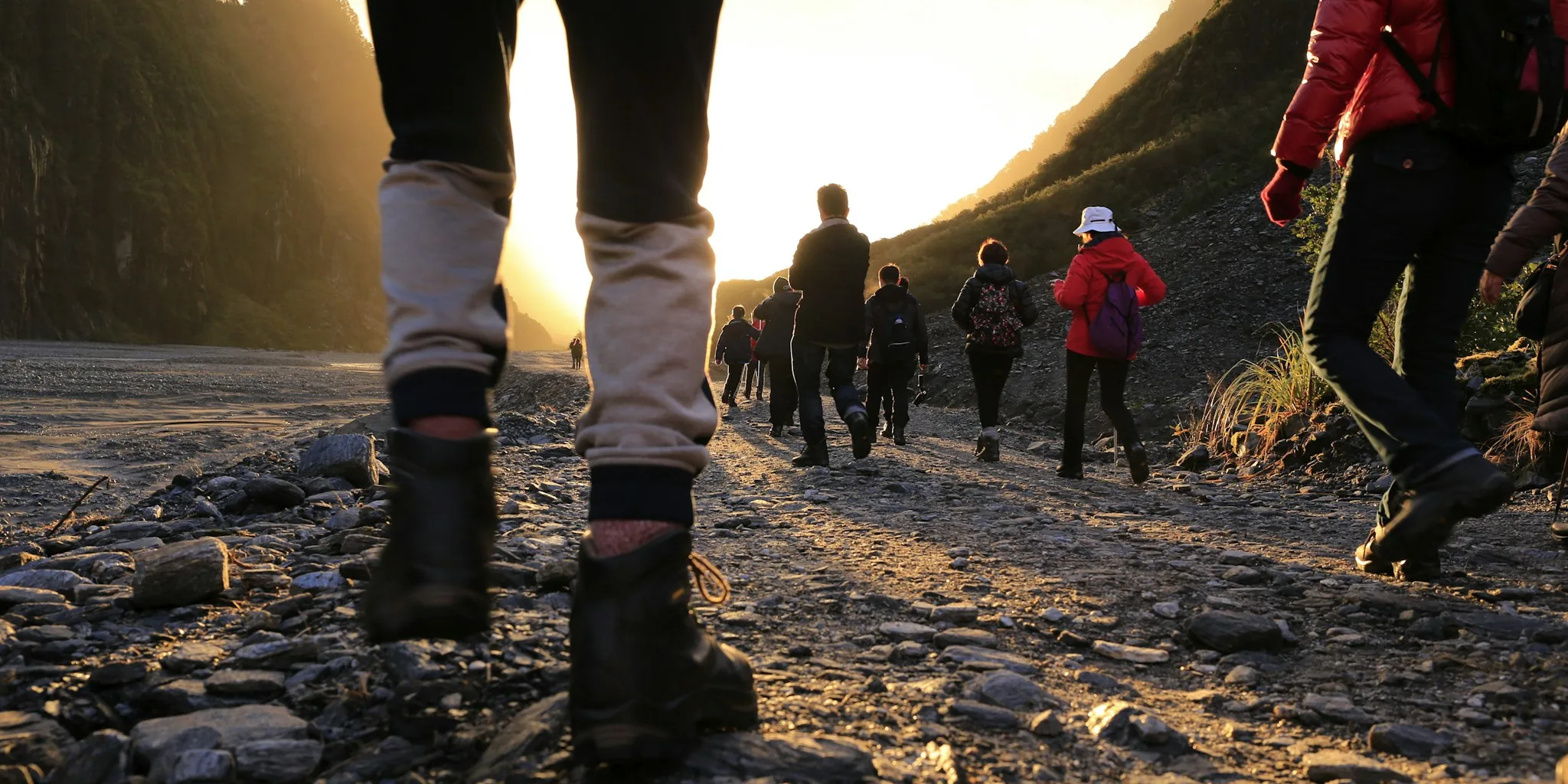
For shoppers planning mountain adventures, this case serves as a sobering reminder of the importance of proper preparation and equipment. Investing in quality hiking boots designed for women or men can significantly reduce the risk of ankle injuries and slips on loose rock. Footwear designed specifically for alpine terrain provides the grip and support necessary for navigating challenging mountain slopes safely.
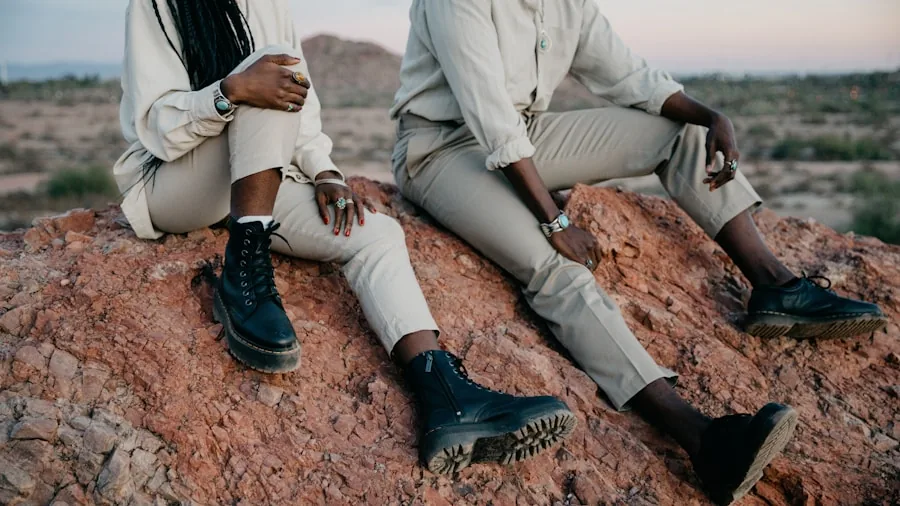
Beyond footwear, comprehensive gear selection matters tremendously. Durable hiking pants suited for every budget and season protect against abrasions, provide mobility on steep terrain, and offer weather resistance when conditions shift unexpectedly. Layered clothing, reliable navigation tools, communication devices, and plenty of water become essential when venturing into Colorado’s high country.
The Importance of Hiking Partnerships and Communication
Vanek was hiking with a neighbor when they became separated, a detail that highlights another critical safety consideration for backcountry visitors. Hiking with a partner provides essential accountability and assistance in emergencies. Even when hiking with companions, maintaining close proximity and establishing clear communication protocols about meeting points and turnaround times can prevent dangerous separations.
Today’s hikers have advantages that didn’t exist in 2005. GPS devices, satellite communicators, and cellular technology now allow backcountry users to call for help or pinpoint their location even in remote areas. Many outdoor enthusiasts now carry personal locator beacons or satellite messengers specifically designed for mountain emergencies. These tools, combined with proper training and awareness, significantly improve survival odds.
Lessons for Colorado Hikers Today
The comprehensive search operation that followed Vanek’s disappearance demonstrated both the commitment of rescue professionals and the genuine difficulty of locating people in vast mountain terrain. Her case became a focal point for discussions about hiking safety, preparation standards, and the psychological demands on rescue teams who search for missing outdoor enthusiasts.
For modern hikers, the takeaway is clear: preparation saves lives. This means investing in appropriate gear including hiking pants engineered for demanding terrain, sturdy footwear, navigation equipment, and emergency supplies. It means telling someone where you’re going and when you expect to return. It means understanding your physical limitations and choosing trails that match your experience level.
Vanek’s story also reminds us that even popular, established peaks can present serious dangers. Colorado’s fourteeners attract thousands of hikers annually, but elevation, exposure, and weather create unpredictable conditions. Starting early, carrying extra layers, bringing more water than you think you’ll need, and turning back if conditions deteriorate are practical decisions that could prevent tragedy.
The decades-long search for Michelle Vanek remains a powerful testament to the risks inherent in backcountry recreation. While her story ended in tragedy, it continues to inform how rescue teams train, how hikers prepare, and how outdoor communities approach safety. For anyone planning Colorado hiking adventures, her case offers essential perspective on why proper equipment, thorough planning, and conservative decision-making aren’t optional considerations but fundamental requirements for responsible mountain exploration.



Write Your Review
No reviews yet. Be the first to share your experience!