
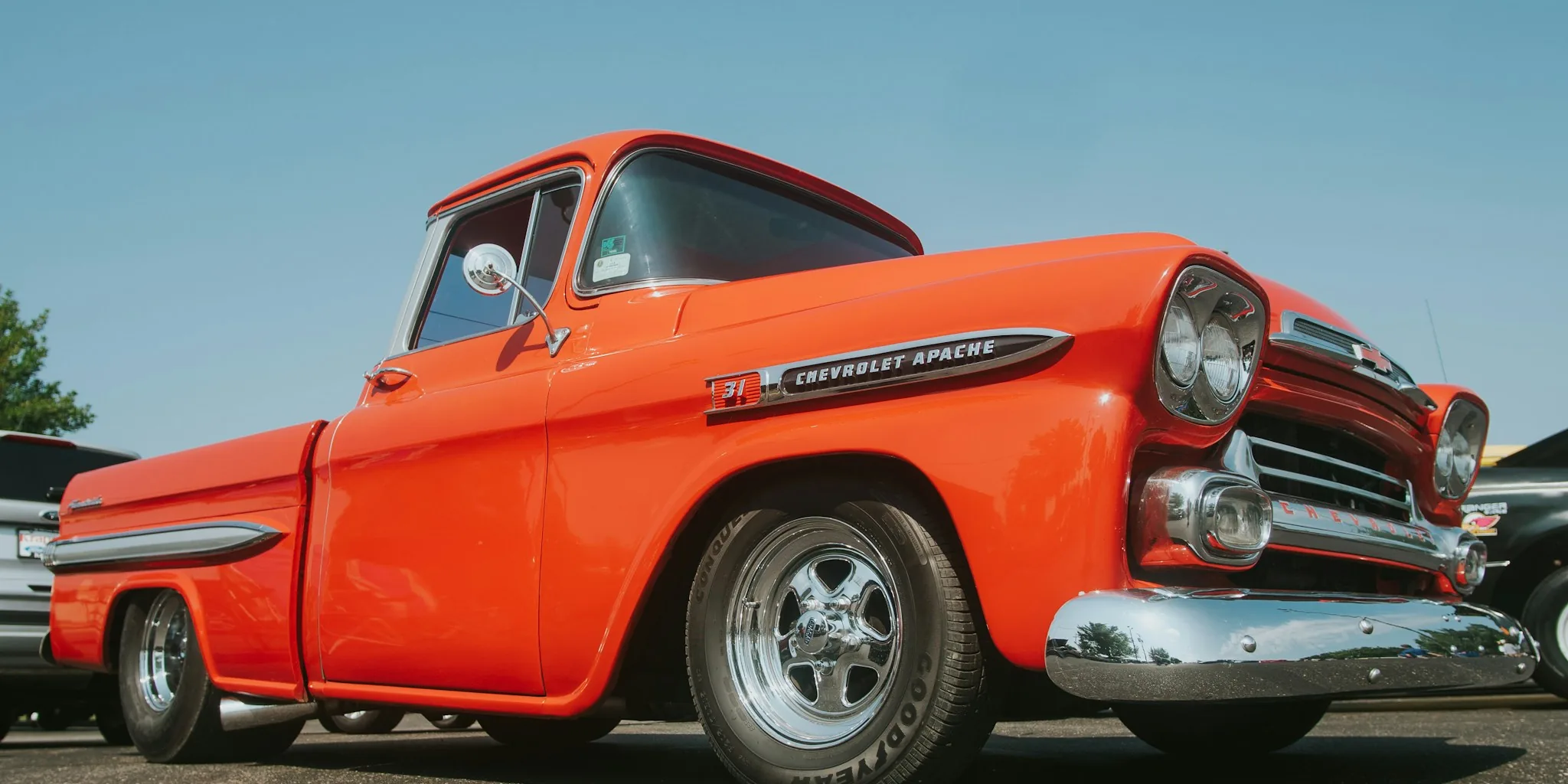

Custom 1956 Truck Gets 800 HP Performance Makeover What Shoppers Should Know
A specialized Arizona restoration shop just unveiled a jaw-dropping restomod that redefines what a classic truck can become. The GT/FX takes a 1956 Ford F-100 and transforms it into a high-performance machine that rivals modern sports cars in capability while preserving vintage charm. This reveal at a major automotive showcase demonstrates how far custom truck building has evolved and what enthusiasts are willing to pay for truly one-of-a-kind vehicles.
The Vision: Marrying Classic Styling with Modern Power
Fat Fender Garage, the Arizona-based builder behind this project, set out to merge two distinct Ford philosophies. On one hand, Ford’s F-series trucks have dominated American roads for decades as reliable workhorses. On the other, the Ford GT supercar represents uncompromising performance engineering. The GT/FX attempts to bring those worlds together in a single vehicle. The result is a truck that looks classic at first glance but delivers supercar-level thrills.
The exterior underwent radical modifications to achieve this dual personality. The hood and roof were flattened while the front and rear fenders were widened dramatically. Custom running boards blend seamlessly into reshaped rear fenders, creating an aggressive, purposeful stance. A chin splitter at the front and a rear diffuser borrowed from a Mustang Shelby GT350 reinforce the performance intent. The flared truck bed features a power-operated tailgate, while carbon fiber side mirrors and a distinctive offset black racing stripe complete the track-focused aesthetic. Notably, the classic original grille was preserved to maintain the F-100’s vintage identity.
Engine and Performance Specs That Deliver
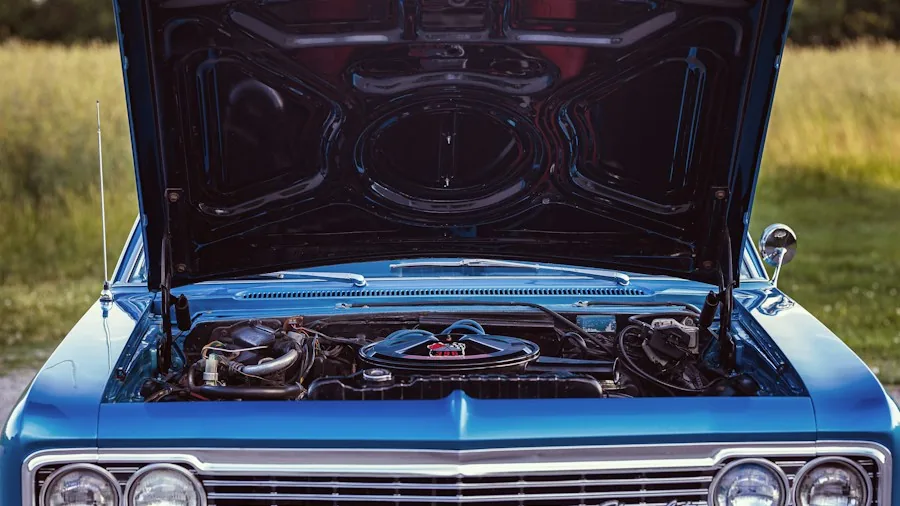
The real story lies under that vintage hood. Fat Fender Garage installed a Gen 3 Ford Coyote 5.0-liter V-8 engine and topped it with a 3.0-liter Whipple supercharger. This combination produces 800 horsepower and 750 pound-feet of torque, making this classic truck faster than many contemporary sports cars. Power routes through Ford’s 10-speed automatic transmission to HRE wheels wrapped in 315/35R-20 Toyo Proxes Sport 2 tires. Stopping power comes from Wilwood disc brakes featuring six-piston front calipers and four-piston rear units.
Handling matches the powertrain thanks to the builder’s own FF1 Performance Coilover chassis, engineered specifically to deliver sharp responses despite carrying the weight and profile of a classic truck. This suspension system demonstrates how modern engineering can extract performance from vintage platforms. For those interested in understanding modern truck capabilities, reviewing practical truck accessories and upgrades can provide context on how today’s vehicles balance style with functionality.
Interior Blends Old and New
Inside, modern comfort and technology integrate thoughtfully without overwhelming the classic aesthetic. Bucket seats with contemporary styling sit beneath updated instrumentation and controls. A hidden ventilation system delivers climate control through concealed outlets, keeping the cabin cool without visible ductwork. LED interior lighting and a modern audio system complete the cabin transformation. Every modern convenience exists, but none are visually obtrusive, maintaining the truck’s period character while ensuring driver and passenger comfort on road trips.
What This Means for Truck Enthusiasts and the Market
This reveal signals growing demand for high-end restomod trucks that offer more than simple nostalgia. Buyers increasingly seek vehicles that combine collector car appeal with genuine performance capabilities. The latest performance truck concepts show manufacturers are taking this seriously, developing models that bridge vintage and contemporary preferences.
The GT/FX represents the pinnacle of custom truck building, showcasing capabilities spanning bodywork, interior fabrication, powertrain engineering, and suspension tuning. The project demonstrates that the classic truck market has matured beyond simple restoration into genuine performance modification. While a fully custom build like this remains out of reach for most buyers, it establishes aspirational benchmarks for what’s possible and influences how mainstream truck manufacturers think about performance packages.
For shoppers evaluating premium trucks, projects like this illustrate the performance potential lurking in classic platforms and the growing market for vehicles that deliver both visual character and driving excitement. Whether you’re researching accessories for a modern truck or exploring the collector market, understanding these high-end customization trends helps inform what to look for in your next purchase. Performance truck developments continue evolving as builders push creative boundaries further each year.





Write Your Review
No reviews yet. Be the first to share your experience!