
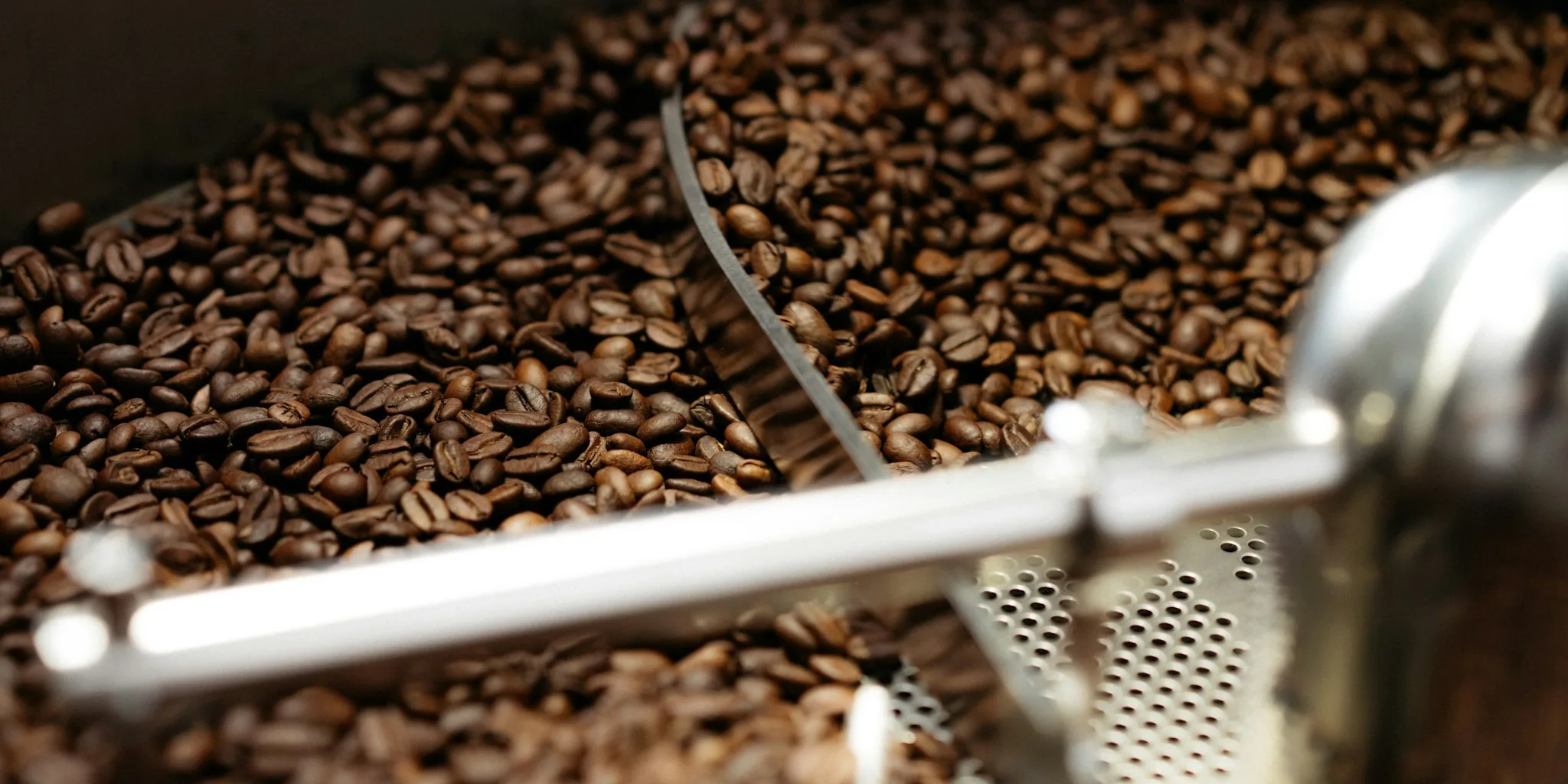

This October, Idaho-based roaster manufacturer Diedrich Roasters announced the completion of its transition to next-generation equipment with the arrival of the DR-140 model. The new machine represents a significant shift in how mid-sized and large commercial coffee roasting operations can manage their production, and understanding what this means helps explain where the specialty coffee industry is heading.
What Changed with the DR-140
The DR-140 serves as the successor to Diedrich’s previous CR-140 workhorse model. Rather than simply upgrading existing features, the company rebuilt the machine from the ground up with improved heating systems, better airflow management, and more sophisticated automation controls. The result is a roaster capable of processing batches ranging from 70 to 140 kilograms of green coffee beans, with maximum hourly output reaching 560 kilograms or roughly 1,232 pounds of finished coffee.
The most important technical change involves moving away from infrared burner technology entirely. This shift, which began with the DR-280 model last December, represents a fundamental rethinking of how heat reaches coffee beans during roasting. The new approach uses optimized insulated drums and refined airflow systems to move heat and air more evenly through the batch. According to the manufacturer, this creates more predictable roasting curves even when processing larger quantities, which matters because consistency directly affects the final cup quality.
Why This Matters for Coffee Quality and Efficiency
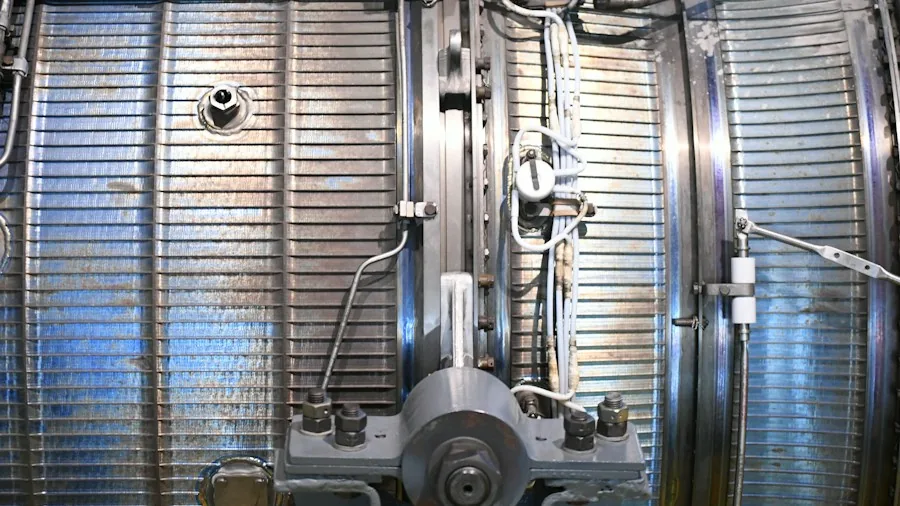
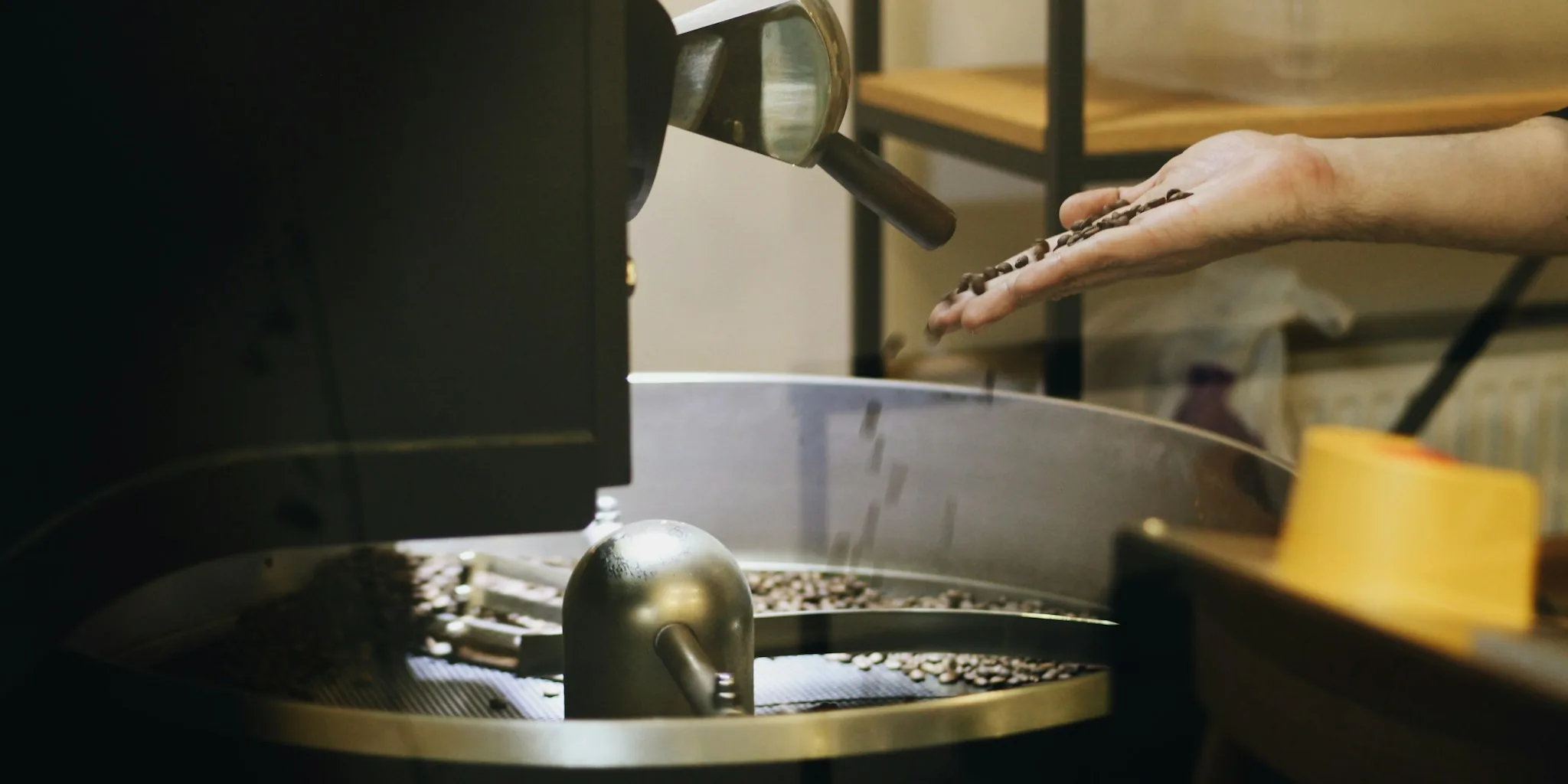
For anyone who cares about coffee quality, the engineering improvements here are worth noting. The DR-140 includes water-quenching systems that allow roasters to cool beans precisely during the roasting process, plus emergency cooling capabilities for the entire system. This level of temperature control helps roasters achieve specific flavor profiles with greater reliability, whether they are producing coffee for specialty retail blends or high-volume commercial operations.
The machine runs on Diedrich’s proprietary control software using Allen-Bradley controls, meaning customers access direct support from factory-trained technicians. Diedrich operates training facilities in both Idaho and Illinois, ensuring that operators can master the equipment properly. For roasters who prefer using third-party software, the DR-140 also supports Cropster and Artisan logging systems.
The Bigger Picture: A Complete Equipment Transition
The DR-140 completes Diedrich’s shift away from its previous IR and CR model designations. The company introduced its DR generation back in 2021 with smaller machines and has progressively replaced its entire lineup over the past few years. While older IR and CR models are no longer manufactured, Diedrich committed to continuing support for machines currently in use through parts and service, with select newer components available as upgrades for legacy equipment.
This transition reflects broader changes in commercial coffee roasting technology. The company’s previous DR-280 model has already gained traction among midsize and larger coffee manufacturers across the United States, with some customers purchasing multiple units. This adoption suggests that the new platform successfully bridges artisan-level precision with industrial-scale production, a balance that many roasters have struggled to achieve.
What This Means for Coffee Shoppers
While the DR-140 is primarily a commercial machine not intended for home use, the developments it represents affect the coffee you purchase. When roasters have better control over their process and more efficient equipment, they can produce more consistent results. This means fewer batches with quality issues and better flavor development across their full range. As coffee preparation becomes increasingly sophisticated, the equipment used to roast the beans provides the foundation for everything that follows, from espresso shots to pour-over brewing.
The efficiency improvements also matter economically. Better heat transfer and airflow control reduce energy consumption during roasting, which can help stabilize coffee prices over time. Roasters operating newer, more efficient equipment require less gas or electricity per batch, and some of those savings may eventually reach consumers through more competitive pricing on premium coffee products.
For specialty coffee enthusiasts, the broader message is encouraging. Equipment manufacturers continue investing in technology that raises quality standards across the industry. Whether you’re shopping for pour-over equipment for home brewing or selecting premium roasted beans from local producers, the underlying trend favors products made with increasingly precise controls and better-trained operators. The DR-140 represents one significant step forward in that ongoing evolution.
Write Your Review
No reviews yet. Be the first to share your experience!