
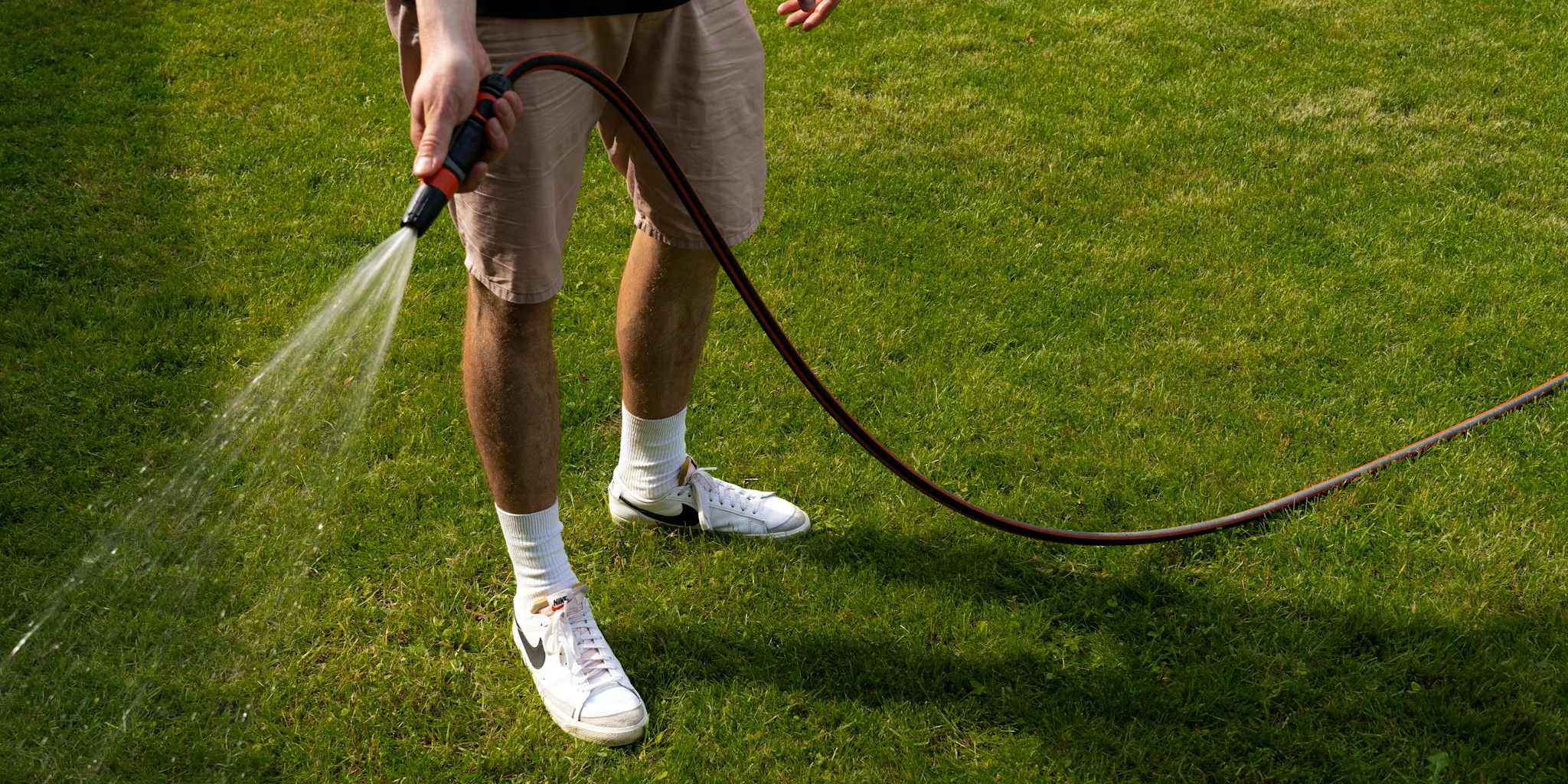

As fall arrives and your lawn faces multiple seasonal challenges, homeowners are discovering a clever solution that tackles four major lawn care problems in a single pass. A lawn drag tool, traditionally used by professional groundskeepers, can now be built at home from a discarded piece of chain-link fencing. This low-cost DIY approach is changing how savvy property owners approach autumn lawn maintenance and what they choose to invest in for yard care.
What Is a Lawn Drag and Why It Matters
A lawn drag is essentially a weighted mesh panel pulled across grass to accomplish multiple tasks. The secret lies in the diamond pattern of chain-link fencing. Where wires intersect, they create hundreds of small blunt knuckles that catch and shear debris and material on your lawn surface. Unlike rigid tools that scrape and pile material, the flexible mesh flexes over dips and rises, allowing it to spread topdressing and seed evenly across uneven terrain.
The weight you add determines how aggressive the tool performs. A bare mesh skips lightly across the surface with minimal impact, while adding a pipe or old fence post along the leading edge increases bite. Adding a cinder block on top makes it work even harder into compacted soil. This adjustability means one tool can handle multiple jobs based on your specific lawn needs.
Four Key Fall Lawn Problems It Solves
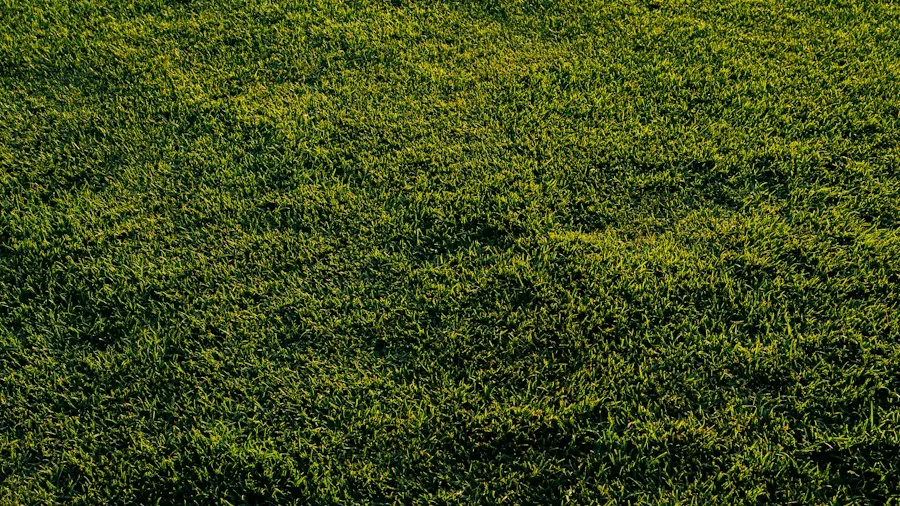
Breaking Down Aeration Plugs: After core aeration, your lawn is typically covered with soil plugs roughly three-quarters of an inch wide and up to 3 inches long, with 20 to 40 holes per square foot. Rather than raking these away, dragging them back into the lawn returns valuable organic matter where it belongs. The key is waiting for plugs to dry completely, usually one to two days after aeration, then making two perpendicular passes with your drag. The lawn may look rough for several days before settling and benefiting from the extra soil and organic content.
Overseeding Success: Broadcast seed often sits on top of the grass canopy where it dries out and attracts birds instead of germinating. A pass with the drag knocks seed down to soil level, where seed-to-soil contact drives germination. For best results, aerate first if possible, allowing seed to drop into open holes rather than resting on the surface. Early fall offers an ideal window in cool-season regions when soil remains warm and weed pressure has declined.
Even Topdressing Application: When you apply compost or fresh soil to your lawn, the drag spreads thin layers evenly instead of leaving windrows where it was dumped. Apply topdressing at about a quarter inch at a time, and let the drag work it into existing soil. Avoid the temptation to apply thicker layers, as burying grass crowns will damage the lawn you intended to improve.
Gradual Lawn Leveling: For bumpy lawns, the drag redistributes material into low spots while pulling surplus from high areas. This process is slower than regrading but more practical for most homeowners. Expect leveling to be a multi-year project, with noticeable improvement each season rather than dramatic results from a single pass.
Building Your Own Lawn Drag
The most affordable approach starts by contacting local fencing contractors. Many have chain-link sections they discard regularly and will often give away scrap pieces free. A 4-by-6-foot panel covers ground efficiently without becoming awkward at lawn corners.
You’ll need bolt cutters to trim the fencing to size. Standard 24-inch cutters handle chain-link wire easily. After cutting, bend back the sharp spurs on the edges using pliers or wrap them with old garden hose to prevent injury. Wear cowhide work gloves during assembly, as fresh-cut galvanized wire catches skin easily. For towing, run rope or light chain to two corners, keeping the attachment point low. A high hitch lifts the front and reduces ground contact.
Behind a riding mower the drag works at a walking pace, though a strong person can pull a smaller panel by hand across a modest lawn. Galvanized wire holds up between uses, though exposed bare steel may develop surface rust.
What the Drag Cannot Do
Despite its versatility, a lawn drag is not a dethatcher. It lifts loose surface debris and stirs up dead material on top, but true lawn thatch is a dense mat below the green blades. Once thatch exceeds half an inch thick, a power rake or vertical mower becomes necessary. Additionally, skip using the drag on soggy ground, as it tears grass crowns and compacts soil that aeration just opened up.
If sourcing free chain-link proves difficult, commercial steel mesh drag mats are available online as ready-made alternatives. However, the homemade version offers a clear advantage: replacement costs only a phone call to a fencing company or trip to a salvage yard.
This fall, before you spend hundreds on specialized lawn care equipment or professional services, consider this free or nearly free solution that delivers professional groundskeeper results to your own property.





Write Your Review
No reviews yet. Be the first to share your experience!