
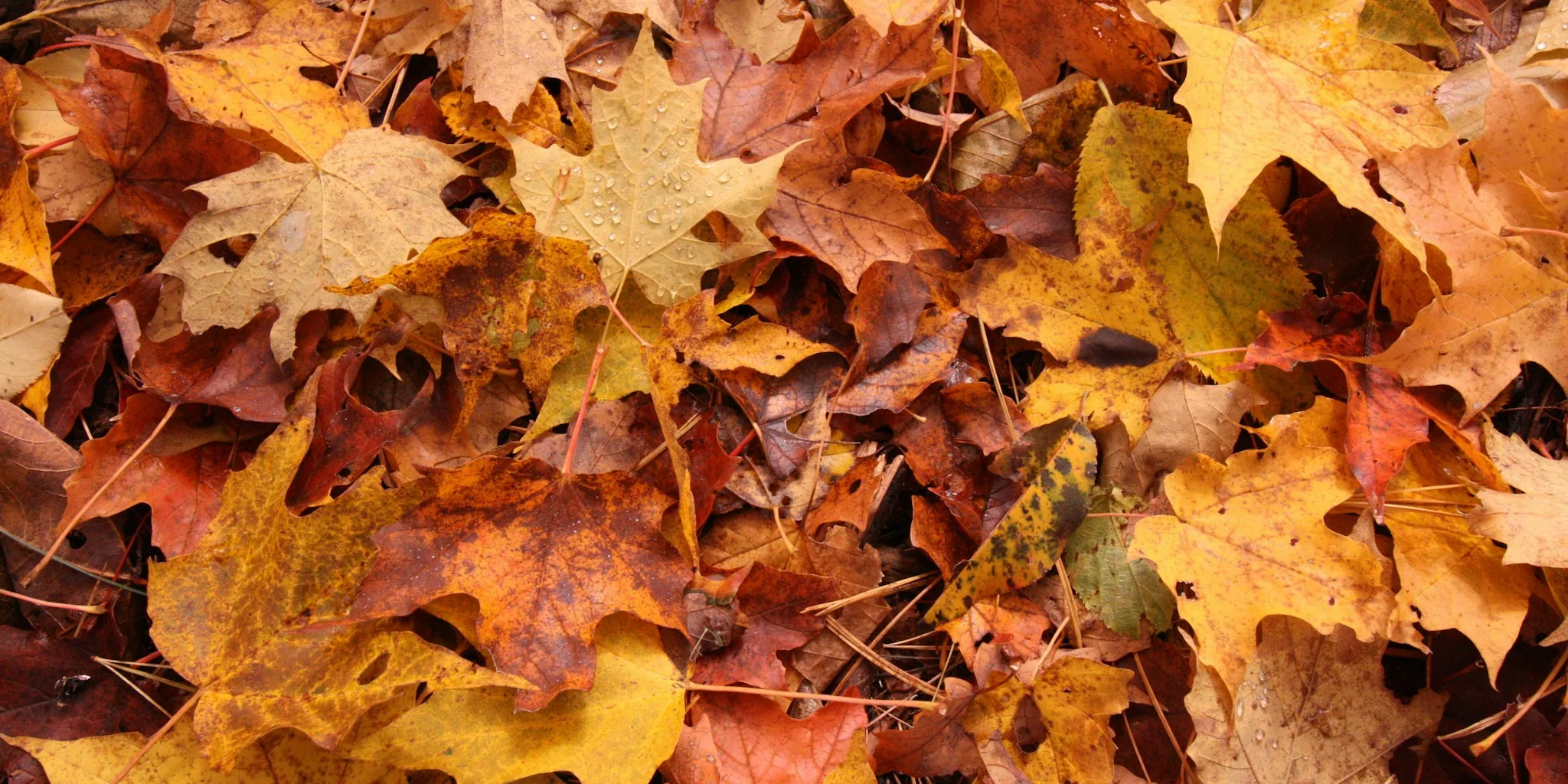

As autumn arrives and homeowners tackle seasonal yard maintenance, many face a familiar choice: bag up fallen leaves and debris, then purchase expensive mulch from a store later. But there’s a smarter approach that saves money and reduces waste. The materials scattered across your yard during fall cleanup can be transformed into excellent winter mulch for your perennial beds, costing nothing and providing genuine protection for your plants.
Why Winter Mulch Matters for Your Plants
Winter mulch serves a critical function that goes beyond aesthetics. When soil repeatedly freezes and thaws during cold months, it can lift shallow roots and newly planted perennials right out of the ground, a process called heave. This exposure leaves vulnerable plants vulnerable to cold winds and drying conditions. A protective mulch layer stabilizes soil temperature and shields plant crowns from the harshest winter conditions, helping them survive until spring arrives.
The key is timing: apply winter mulch after the top inch or two of soil has frozen and perennials have gone dormant, typically in late fall. Spreading it too early can trap warmth and moisture, encouraging rodent activity and creating the opposite of the protection you want. In milder climates, wait until after a few hard freezes before laying down mulch.
Six Free Mulch Options from Your Yard
Shredded Leaves
Fallen leaves rank among the best free mulch materials available, but preparation matters. Whole leaves pack into wet mats that repel water and trap moisture against plant crowns. Shredding breaks them down into loose material that allows air and water to flow through properly. Run a lawn mower over leaves in one or two passes, especially if your mower has a bagger to collect the pieces. Maple leaves especially need shredding to prevent matting. One important exception: skip black walnut leaves entirely, as they contain juglone, a compound that damages tomatoes and sensitive plants. Compost them first, where juglone breaks down safely over weeks before using the finished compost elsewhere.
Pine Needles
Pine needles, commercially sold as pine straw, require no preparation and make excellent winter mulch. Though fresh needles are acidic, they cause minimal soil pH change once applied as mulch. Unlike leaves, they resist compacting under snow and allow melting snow and rain to drain straight through to soil. Simply rake fallen needles into a container as they drop and spread them around perennial beds once the ground freezes. One caution: in dry or fire-prone areas, keep pine needles at least a few feet away from your home and structures to minimize fire risk.
Chipped Branches and Evergreen Boughs
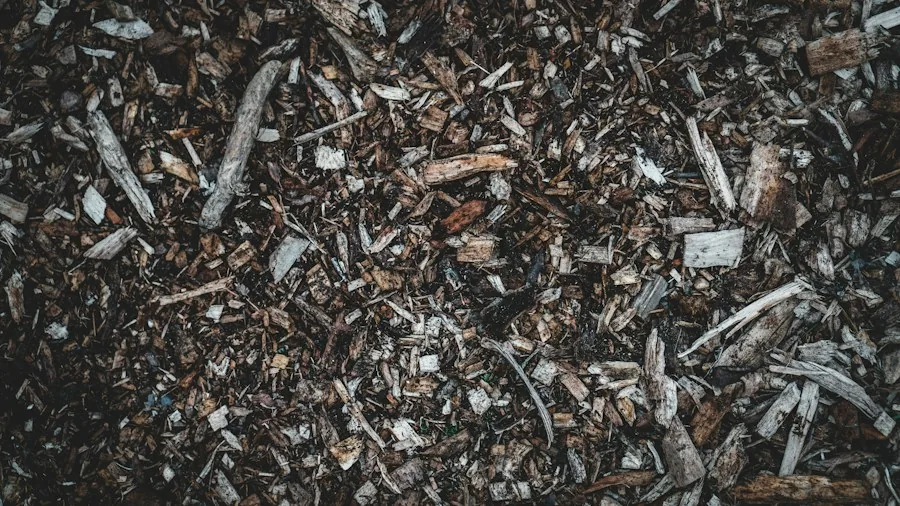
Dead wood and storm-damaged branches removed from your yard can be chipped into mulch that lasts multiple seasons. Wood chips break down slowly, providing long-term protection. Store them loosely until the ground freezes, then spread them around established perennials, keeping material a few inches away from stems and crowns. Never chip branches from diseased trees or shrubs, as this spreads problems throughout your garden. If you lack a chipper, evergreen boughs offer a no-prep alternative. Lay branches in a loose crisscross pattern over beds after the ground freezes. They trap insulating snow while shading soil from the low winter sun, reducing freeze-thaw cycles. Even branches from a cut Christmas tree work perfectly once the holidays end.
Ornamental Grass Trimmings
Most ornamental grasses benefit from standing through winter for crown protection, but if a clump has flopped or blocks pathways, you can trim it earlier. Before using cut foliage as mulch, remove seed heads from self-sowing varieties to prevent unwanted seedlings next spring. Chop stems into 4-6 inch pieces so they stay in place and allow water drainage. Spread chopped stems loosely around beds after the ground freezes for a light insulating layer that gradually breaks down.
Healthy Garden Debris
Not all garden waste suits mulching. Plants showing disease like blight or powdery mildew belong in the trash, as disease spores overwinter on infected material. However, healthy bean vines and spent annual flowers can be chopped into smaller pieces and spread over perennial beds once soil freezes. They gradually decompose while protecting soil through winter. Corn stalks require special handling because European corn borer larvae overwinter inside them. Rather than use them as mulch, proper equipment for cutting and handling makes it easier to add chopped corn stalks to a hot compost pile, where they safely break down over a year before garden use.
Finished Yard Compost
While excellent for soil improvement, finished compost is too dense to provide much insulation alone. Spread about 1 inch of finished compost over perennial beds after growing season ends to feed soil through coming months. Top it with a looser mulch like shredded leaves or pine needles for proper insulation and plant crown protection. Screen out large woody pieces before spreading, as they haven’t fully decomposed yet.
Application Tips for Maximum Benefit
Spread approximately 3-4 inches of mulch over perennial beds. Shredded leaves settle as winter progresses, so starting with a slightly deeper layer works fine. Keep mulch 2-3 inches away from tree trunks and shrub stems to avoid trapping moisture against bark. When spring arrives and new shoots emerge, gradually rake mulch back, but keep it nearby for a week or two in case late frost threatens. By late spring, much of the shredded leaf mulch will have decomposed into soil, and your perennial beds will be ready for the growing season with naturally enriched soil.
This approach transforms yard cleanup from a disposal problem into a resource opportunity. You conserve money, eliminate waste, and give your perennials the winter protection they need to thrive next year.




Write Your Review
No reviews yet. Be the first to share your experience!