


The fitness competition landscape has transformed dramatically over the past decade. What started as niche events for hardcore athletes has evolved into a mass-participation phenomenon, with competitions like Hyrox, Xenom, and others attracting hundreds of thousands of everyday exercisers. For shoppers looking to invest in workout gear and training equipment, understanding this shift matters, because these events are reshaping how people approach fitness and what they buy to prepare.
The Rise of Accessible Fitness Competitions
Functional fitness competitions emerged from the 1990s functional training movement, which emphasized movement patterns that mimic real-life activities over pure muscle building. By the early 2000s, obstacle course races like Spartan Race and Tough Mudder launched, followed by CrossFit’s Open in 2011. These events democratized competitive fitness by allowing regular people to participate in the same workouts as professionals.
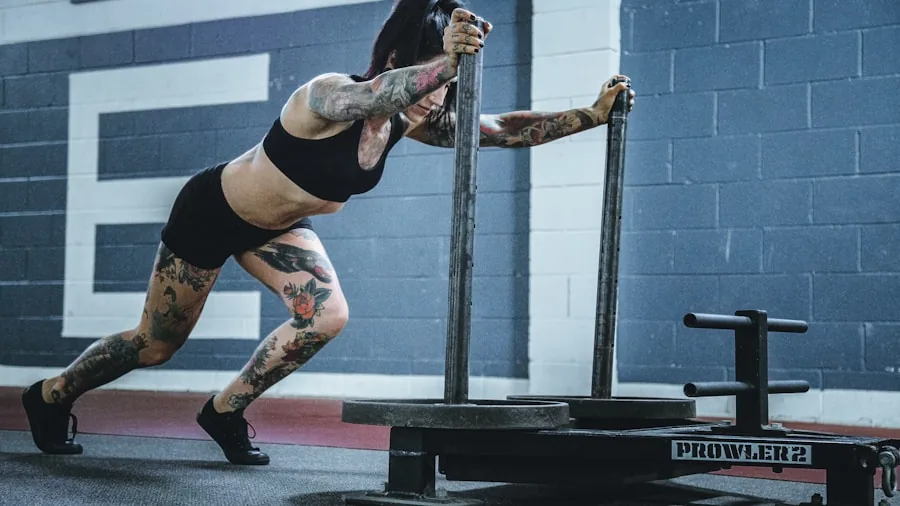
But the market consolidation of the past few years has fundamentally changed the competition landscape. After earlier players like Tough Mudder filed for bankruptcy and traditional CrossFit faltered amid controversy, Hyrox emerged as the dominant force. The eight-station format, featuring sled pushes, farmer’s carries, rowing, SkiErg work, burpee broad jumps, sandbag lunges, and wall balls with kilometer runs between stations, proved accessible yet challenging for all fitness levels. Participation projections show explosive growth: from roughly 550,000 participants in 2025 to an estimated 2.5 million expected next year.
Why Competitions Drive Commitment
Research consistently shows that competition motivates adherence to fitness routines far more effectively than community support or social media validation alone. When you’re training for a specific event with a standardized format and measurable time goals, you stay engaged. The dopamine hit from exercise is amplified by the rush of community energy, the thrill of competing, and the satisfaction of crossing a finish line. This psychological pull explains why so many fitness enthusiasts treat events like bucket-list experiences that demand serious preparation and proper equipment.
For average participants, the appeal is straightforward: workouts become more meaningful than endless gym sessions. Adam and Liz Walter, both 42, exemplified this shift after completing Hyrox races. One participant noted that after years of repetitive gym routines, the multisport format provided fresh motivation and a sense of athletic accomplishment that traditional training couldn’t match.
New Competitors Enter the Market
Hyrox’s success hasn’t gone unnoticed. A wave of new competitions is launching to capture market share and offer alternative experiences. Xenom, which debuted in June, is a two-day, 10-station event combining technical strength movements with standardized scoring, designed for both experienced lifters and those with basic gym experience. Adidas’s ATHX offers time-capped formats, while APEX positions itself as a CrossFit-meets-NFL-Combine experience. METRIX introduces pairs competition with DJ entertainment, and DEKA provides an indoor alternative. When evaluating which event suits your fitness goals, shoppers should consider training requirements and equipment needs for each format.
What This Means for Shoppers
The explosion of standardized fitness competitions is reshaping consumer spending on workout equipment and apparel. If you’re training for Hyrox or similar events, you’ll need specialized gear beyond basic gym fare. Sled training equipment, sandbag implements, farmer’s carry handles, and SkiErg machines are becoming household purchases for serious competitors. Even casual racers invest in proper footwear designed for mixed terrain, moisture-wicking apparel, and recovery tools.
The visibility factor also matters. These events are engineered for social media, races feature professional photography, podium moments, and Instagram-worthy backdrops. This drives demand for high-performance, aesthetically appealing gear that photographs well and performs reliably under race conditions. Even specialized categories like maternity workout clothes are expanding as more diverse age groups and demographics join the movement.
Beyond equipment, pre-competition nutrition and supplementation are booming markets. Participants training for eight-station races spanning 45 minutes to over an hour seek performance supplements and hydration solutions to optimize their outcomes.
The Bigger Picture
Experts view the proliferation of competitive fitness formats as a net positive. Increased participation in strength training and functional movement patterns creates long-term health benefits across the population. The standardized scoring systems, like Hyrox’s sub-60-minute benchmark, make progress measurable and achievable, unlike open-ended gym routines. Whether you’re chasing a podium finish or simply a personal record, there’s a competition format suited to your level and goals.
As this market continues expanding, shoppers should expect more specialized products designed for multisport fitness formats. Understanding what drives this trend helps you make informed purchasing decisions about which gear actually supports your training, and which items are simply following the hype.





Write Your Review
No reviews yet. Be the first to share your experience!