
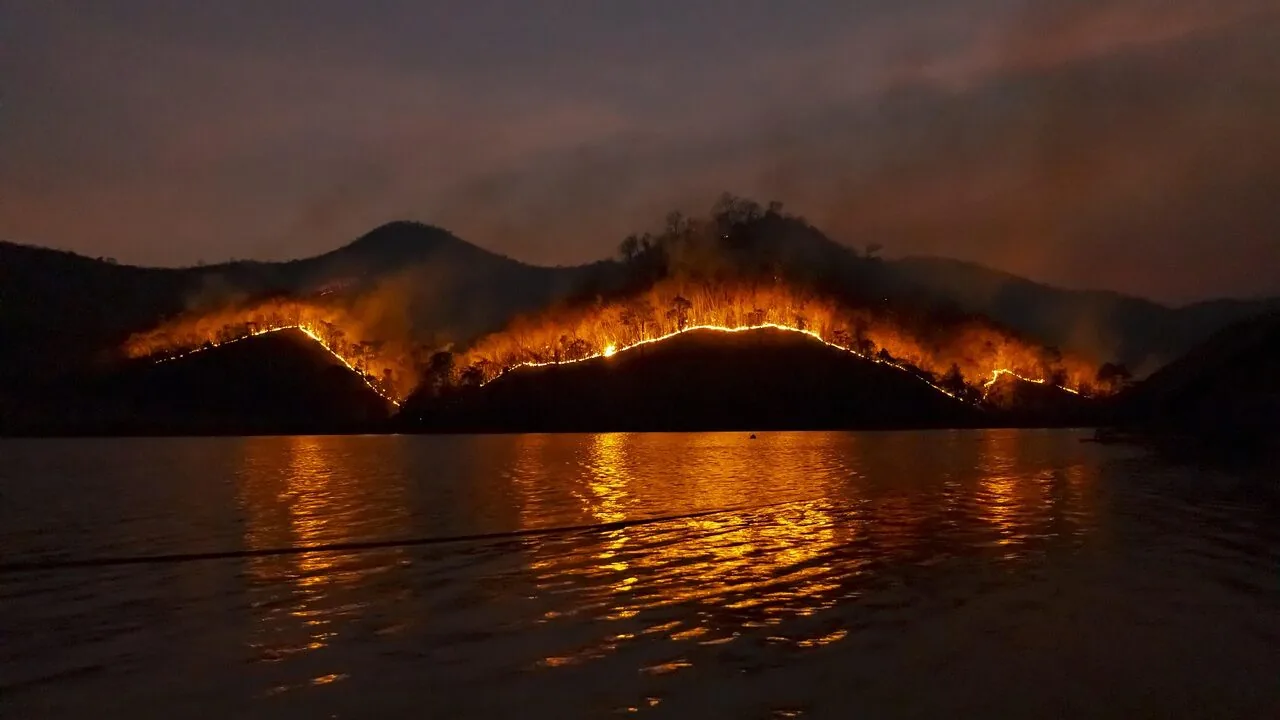

If you live in an area prone to wildfires, landscaping choices matter more than you might realize. Homeowners working to protect their properties are increasingly turning to firescaping, a practice that swaps out highly combustible vegetation for fire-resistant alternatives. Understanding which plants pose the greatest risk and what to plant instead can help you create a safer outdoor environment without sacrificing curb appeal.
Why Plant Selection Matters in Fire-Prone Areas
No plant is completely fireproof, but choosing species with low flammability significantly reduces your property’s vulnerability. The challenge lies in identifying which common landscaping favorites are actually dangerous. Many popular ornamental plants contain volatile oils and resins that ignite rapidly when exposed to heat and drought. Late summer and fall represent ideal times to revise your landscape, as dry leaves and accumulated dead plant material increase fire risk during these seasons.
Pine Trees and Spruce: Replace with Coast Redwood
Conifers like pine and spruce trees contain oils and resins that burn hot and fast, making them what firefighters call “fire food.” These trees create additional hazards through their low-hanging branches, which act as fire ladders pulling ground-level flames into the upper canopy. Pine needles accumulating on the ground form highly flammable mats that easily ignite and spread surface fires. Even pine cones present a danger, capable of catching fire and exploding to send glowing embers across long distances.
Coast redwoods offer an excellent replacement if you live in USDA Hardiness Zones 7-9 with mild, wet winters. Unlike pines, redwoods have thick bark rich in tannins and maintain high moisture content that actively resists fire. This native species delivers the height and presence of traditional conifers without the combustible risk.
Rosemary and Lavender: Switch to Bush Germander
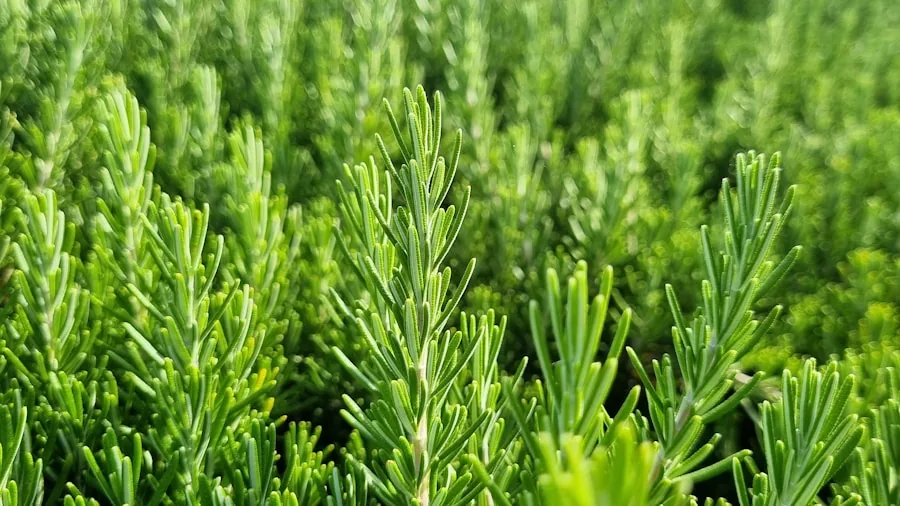
While rosemary’s culinary and ornamental appeal makes it a gardening favorite, its aromatic oils are highly flammable. These same compounds that create its distinctive fragrance render the plant dangerously combustible during drought or heat waves. Lavender poses the same fire risk for identical chemical reasons.
Bush germander provides a direct substitute, offering aromatic leaves, blue summer blooms, and the same Mediterranean heritage as rosemary. This spreading evergreen shrub reaches three feet tall and tolerates poor soil and low water, making it equally low-maintenance. Crucially, it lacks volatile oils entirely, eliminating the fire risk.
Juniper: The Most Dangerous Option
Firefighters sometimes call junipers “gasoline bushes” due to their extraordinarily high volatile oil content. The plant accumulates dead needles within its dense interior crown, creating concentrated fuel that ignites explosively and burns with intense heat capable of igniting nearby structures. Given their extreme flammability, junipers should be eliminated entirely from landscapes in high wildfire zones.
Coyote brush serves as an effective alternative, offering similar form to juniper across upright and spreading varieties. This hardy evergreen grows in arid conditions from sand dunes to mountain slopes. Varieties like Twin Peaks create wonderfully dense, fire-resistant groundcover while remaining completely free of volatile resins. For those interested in other creative fall gardening solutions, fall plant pairing options are worth exploring to maximize your landscape safety and aesthetic appeal simultaneously.
Bamboo: A Deceptive Fire Hazard
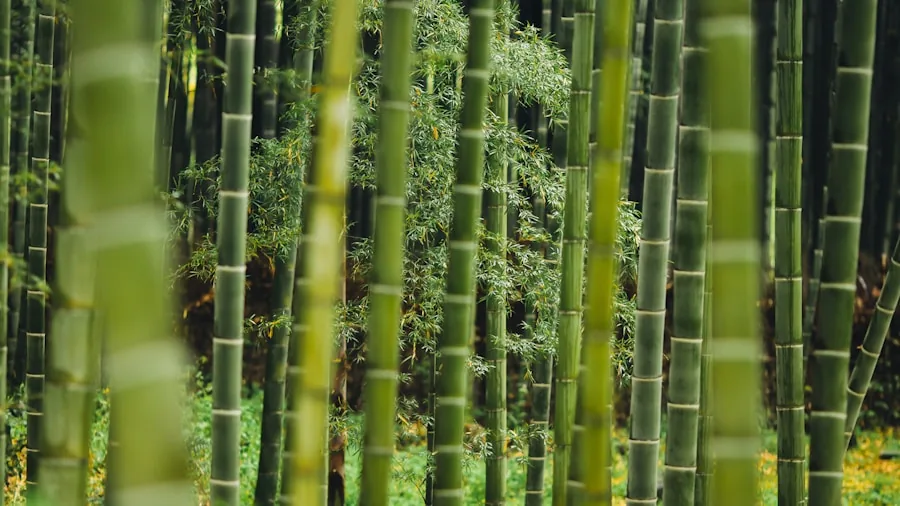
Live bamboo canes seem fire-resistant due to their high silica and water content, but this protection evaporates during hot, dry, windy weather. More problematically, bamboo forms dense clumps that accumulate dead leaves, fine twigs, and hollow interior stalks, creating serious fire fuel during drought periods.
Fern podocarpus, also called fern pine, solves this problem while delivering comparable height and screening ability. Growing up to fifty feet but easily pruned to smaller dimensions, this species features soft, narrow leaves with high moisture content. Unlike bamboo, it produces no explosive resins or volatile oils and does not accumulate dangerous dead interior material.
Pampas Grass: Replace with Pink Muhly Grass
Pampas grass represents one of landscaping’s most visible fire enablers. Its tall, airy vertical growth pattern ignites easily and can become a fire torch, while low moisture content and volatile oils make it dangerously combustible. Despite its popularity, this South American native has no place in fire-prone regions.
Pink muhly grass delivers the same visual drama with complete fire safety. Growing in clumps to three feet with soft, pink flowers often compared to clouds, this species thrives in full sun while maintaining high moisture levels that prevent ignition. Understanding how plants contribute to outdoor environments helps reinforce why choosing appropriate species matters.
Making the Transition
Firescaping does not mean accepting a bare or unattractive landscape. Each replacement option provides beauty, texture, and visual interest while dramatically reducing fire risk. Begin your transition during autumn months when cooler weather makes landscape work more comfortable. Source native or adapted species suited to your specific hardiness zone and climate conditions for maximum success and resilience.



Write Your Review
No reviews yet. Be the first to share your experience!