


Ford has submitted a patent application that outlines an innovative concept for vehicles that could autonomously relocate themselves when they detect suspicious activity nearby. This technology represents a significant shift in how manufacturers are thinking about vehicle security and theft prevention.
How the Self-Parking Security System Works
The patent describes a vehicle equipped with sensors capable of identifying potential threats in its parking environment. The system would detect concerning behavior such as someone repeatedly peering into windows, other vehicles circling the parked car, or sudden changes in lot activity. If the vehicle determines it is in danger, it could automatically move itself to a safer location without driver intervention.
In situations where full autonomous relocation might not be practical, the technology could also recommend specific parking spots or vehicle orientations to the driver, giving owners a chance to park manually in positions that reduce theft risk. This hybrid approach provides flexibility depending on local regulations and driver comfort levels.
Protecting Wheels and Vulnerable Components
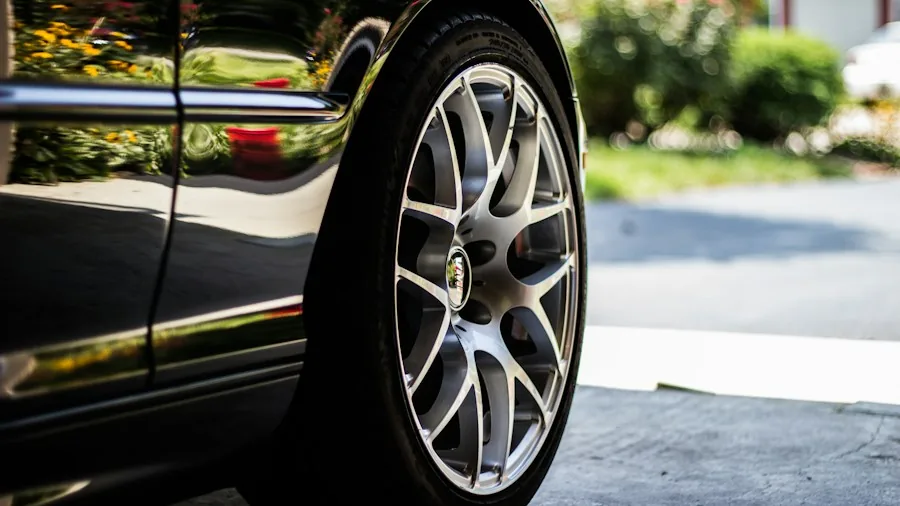
Wheel theft has become an increasingly serious problem for vehicle owners nationwide. The Ford patent application addresses this issue by describing multiple protective parking strategies. The vehicle could position itself between two immovable objects, such as closely spaced walls or neighboring vehicles, making it physically difficult for thieves to access the wheels.
The system also considers parking on inclined surfaces or uneven terrain that would make it inconvenient for thieves to use jacks, which are essential tools for wheel removal. For vehicles equipped with air suspension, the patent suggests the car could lower itself to its minimum height, further complicating theft attempts. Additionally, by parking near vertical surfaces or in tight spaces, the vehicle could make it harder for thieves to access catalytic converters and other valuable undercarriage components.
Blocking Access to Interior and Cargo
Beyond protecting the vehicle itself, the patent describes how a car could safeguard its contents and components. The vehicle could park against a wall in such a way that the tailgate or hatch remains inaccessible, preventing thieves from reaching cargo or removing expensive lights and mirrors. This positioning strategy could protect both the items stored in the cargo area and the valuable equipment attached to the exterior.
Owners would have the ability to set priorities before leaving their vehicles unattended, choosing whether to prioritize wheel protection, cargo security, or both. This customizable approach acknowledges that different owners face different theft risks depending on their location and what they’re carrying.
What This Means for Shoppers Today
It’s important to understand that this technology exists only as a patent application at this point. Even if Ford receives approval from the U.S. Patent and Trademark Office, the company has no obligation to include this feature in production vehicles. Many patented concepts never make it to real cars due to cost, regulatory hurdles, or changing priorities.
However, this patent signals that major automakers are taking vehicle theft seriously and exploring creative technological solutions. As theft rates for specific vehicle components continue to rise, manufacturers will increasingly look for ways to protect their customers’ investments. For shoppers considering a new car purchase, this demonstrates Ford’s commitment to innovation in security features.
Current Security Options for Vehicle Owners
While autonomous anti-theft technology may not arrive anytime soon, car buyers today have access to proven security measures. GPS tracking devices, alarm systems, and steering wheel locks remain effective deterrents. Some vehicles now come with factory-installed immobilizer systems that prevent unauthorized ignition.
When shopping for your next car, ask dealers about the security features included in the models you’re considering. Modern vehicles often include engine immobilizers, alarm systems, and GPS tracking capabilities. Additionally, investing in complementary car accessories that help you monitor your vehicle can add an extra layer of protection.
Parking habits also matter significantly. Whenever possible, use well-lit, populated areas with visible security cameras. Parking in a garage provides superior protection compared to street parking or isolated lots. Remove valuables from your vehicle and never leave identifying information visible that might attract thieves.
Looking Ahead
As autonomous vehicle technology continues to develop, we can expect security features to become more sophisticated. Ford’s patent represents one company’s vision for how connected and intelligent vehicles might protect themselves and their owners’ property in the future. Whether or not this specific concept reaches production vehicles, it highlights an industry trend toward using technology to combat theft in creative ways.



Write Your Review
No reviews yet. Be the first to share your experience!