
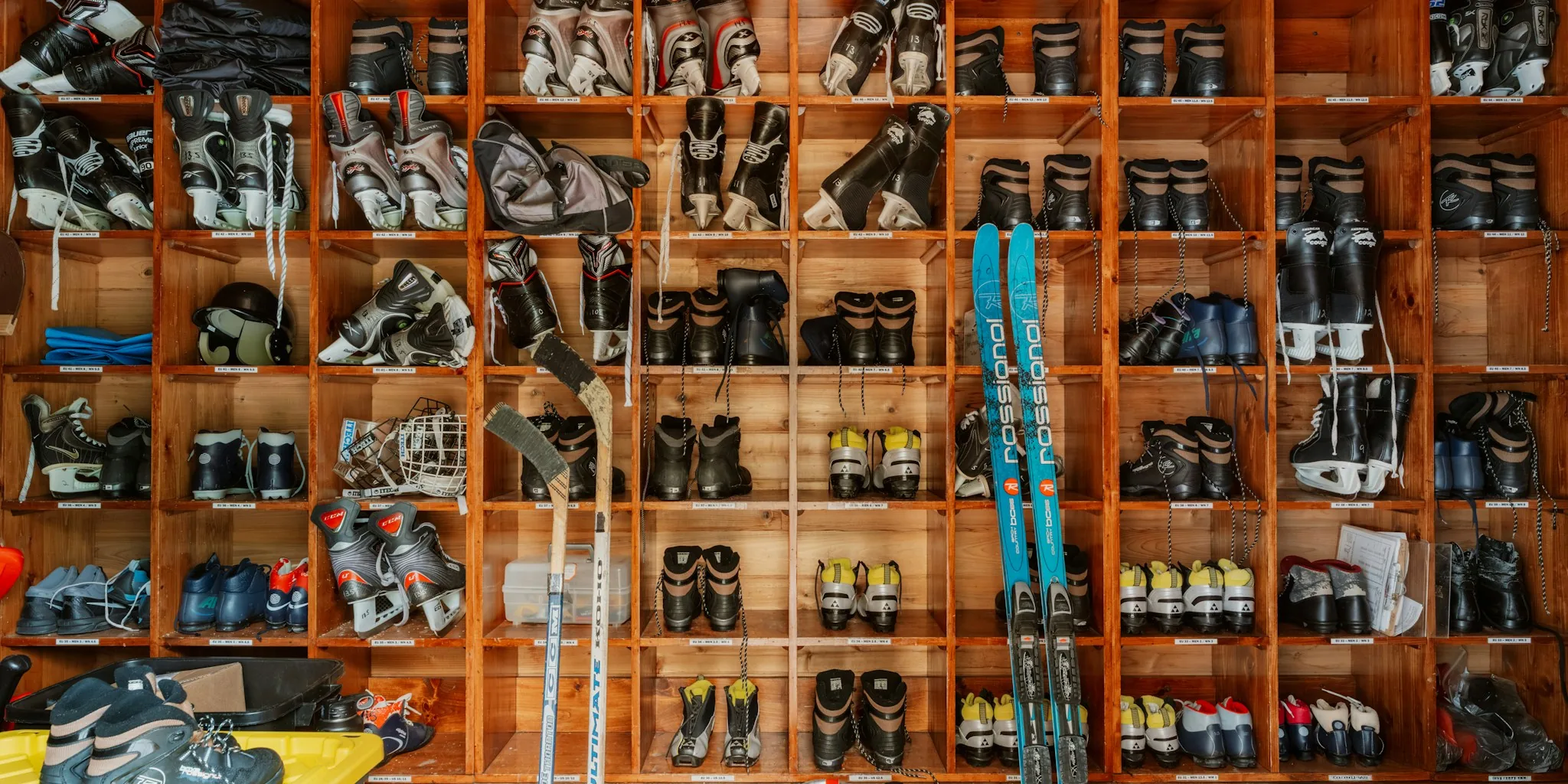

Planning an outdoor adventure means gathering a lot of gear. But once you’ve bought your tent, sleeping bag, cooking equipment, and other essentials, the question becomes: where do you actually store and transport it all? That’s where gear haulers come in, and they’re becoming increasingly popular among campers, hikers, photographers, and water sports enthusiasts who want better organization without the clutter.
What Changed in Gear Storage
Traditionally, outdoor enthusiasts threw their equipment haphazardly into car trunks or garage corners. While functional, this approach meant wasting valuable time searching for missing items before trips and risking damage to expensive gear. Gear haulers are changing that equation by offering dedicated, weatherproof containers specifically designed for outdoor equipment transport and storage.
These aren’t just oversized duffels. Modern haulers feature compartments, dividers, secure closures, and specialized designs that protect gear from weather while keeping everything organized and easy to access. Many can collapse when empty, saving precious home storage space. They work equally well for road trips, vehicle organization, off-season storage, and even overlanding adventures.
Top Options for Different Needs
If you prefer soft-sided flexibility, the Thule Chasm 55L offers 55 liters of capacity with a waterproof base, movable dividers, and the ability to collapse flat. It’s particularly suited for fly-fishing and cycling gear, though it struggles when heavier items stack on top.
For those interested in versatility, the Rux 40L functions as both a hauler and backpack with padded shoulder straps. Its modular design and utility rail system just earned a patent, making it ideal for van lifers and water sports enthusiasts, though it does carry a higher price tag.
The Cotopaxi Allpa 60L excels for road trippers who want lightweight collapsible storage with removable shoulder straps and four sturdy grab handles. It’s water-resistant rather than fully waterproof, so it works best inside vehicles rather than exposed to elements.
For a simpler approach, the Patagonia Black Hole Gear Tote offers lightweight, open-top storage made from recycled materials. While it lacks sealed compartments, its durability and high capacity make it excellent for hauling damp gear after water activities. When you’re building out your camping setup, pairing a hauler with quality coolers designed specifically for camping ensures comprehensive organization.
Hard-sided options like the Gregory Alpaca Camp Box 2 Pack provide maximum protection and stacking capability. The dual-access hinges let you open from either side, and the 18-inch depth accommodates tall items like lanterns and folding chairs. You get two boxes in this set, though the tradeoff is no hands-free carry option.
Key Features to Consider
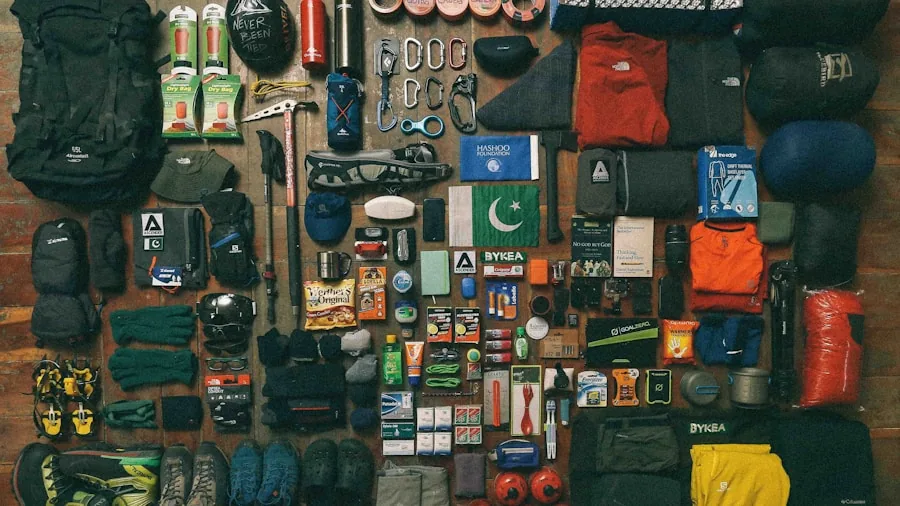
When shopping for a gear hauler, start with size. Volume determines how much equipment fits and whether the container suits short weekend trips or extended expeditions. Many manufacturers offer multiple sizes within the same product line, so you can scale up or down based on your typical activities.
Portability matters too. Look for reinforced handles, shoulder strap compatibility, and attachment points for vehicle racks if you plan to secure it to a roof or van setup. A soft-sided design can squeeze into tighter spaces during vehicle packing, while hard-sided options stack cleanly in garages and sheds.
Weather protection is crucial if your hauler spends time exposed to elements. Fully waterproof construction suits outdoor enthusiasts who load gear into truck beds or take it on boats. Water-resistant options work fine for protected trunk storage. Open-top totes require the most sheltered conditions but offer maximum value.
Organizational features such as internal compartments, dividers, zippered pockets, and padded sections keep gear sorted and protect valuable items. Wide mouths and split lids speed up loading and unloading while maintaining security. Some haulers work with aftermarket packing cubes for even more organization.
What Shoppers Should Know
The gear hauler category has matured significantly, with options ranging from $125 to $250. More investment brings additional features like weatherproofing, modular designs, or hybrid functionality. However, even budget-friendly options provide substantial improvements over loose packing.
Many users find one quality hauler handles multiple activities seamlessly, though specialized equipment like backcountry gear, snow sports equipment, and fly-fishing tackle can justify owning several. When preparing for longer expeditions, combining a hauler with a reliable camping tent and proper hiking apparel creates a complete outdoor foundation.
The real benefit isn’t just convenience: organized gear means shorter preparation times before trips, less gear damage during transport, and the ability to quickly assess what you own and what you need. For anyone who camps, hikes, fishes, or participates in water sports regularly, a quality gear hauler is no longer a luxury but a practical investment that simplifies outdoor life.




Write Your Review
No reviews yet. Be the first to share your experience!