
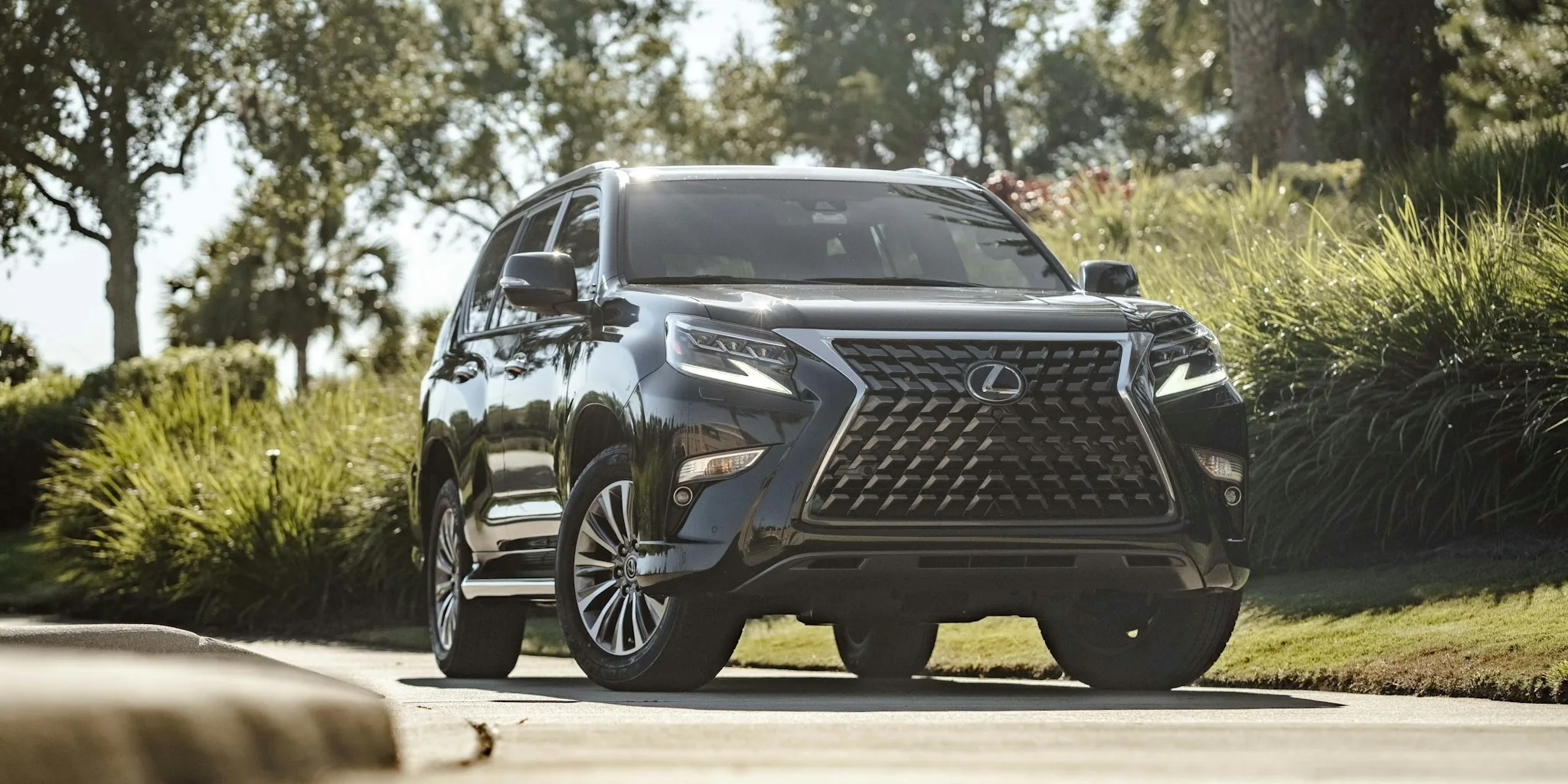

Genesis is stepping into the hybrid market with the upcoming GV80 Hybrid, marking a significant moment for the luxury automaker’s mid-size SUV lineup. The company has revealed powertrain details for the new variant, which will offer shoppers another compelling option when it arrives in the U.S. market later next year.
What Powers the GV80 Hybrid
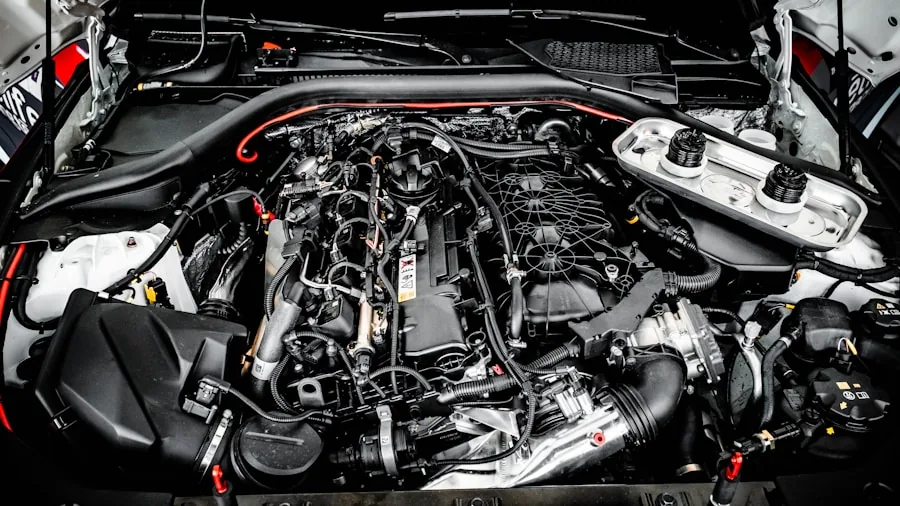
The heart of this new model is a turbocharged 2.5-liter four-cylinder engine paired with electric motors. Together, these components deliver 347 horsepower, positioning the hybrid between Genesis’s existing non-hybrid powerplants. The standard 2.5-liter turbo produces 300 horsepower, while the optional twin-turbo 3.5-liter six-cylinder generates 375 horsepower, so the hybrid slots neatly in the middle in terms of performance output.
This gas-electric configuration represents a thoughtful engineering choice, allowing the GV80 to offer drivers a balance of performance and efficiency without sacrificing too much power.
Fuel Economy Improvements Buyers Should Expect
Perhaps the most compelling reason to choose the GV80 Hybrid is its dramatic improvement in fuel efficiency. Genesis claims the hybrid will deliver approximately 25 percent better fuel economy than the standard non-hybrid 2.5-liter turbo version. The regular four-cylinder model achieves an EPA-combined rating of 22 miles per gallon, which means the hybrid should reach around 27 mpg combined when equipped with rear-wheel drive and 19-inch wheels.
For luxury SUV shoppers focused on reducing fuel costs and environmental impact, this 5 mpg gain represents meaningful savings over the life of vehicle ownership. That translates to fewer trips to the pump and lower annual fuel expenses, especially for drivers who spend considerable time on highways.
How It Compares to the Competition
The GV80 Hybrid enters a competitive segment where luxury brands are increasingly exploring electrification. Rivals like the Volvo XC90, BMW X5, and Mercedes-Benz GLE-Class already offer plug-in hybrid variants, giving those vehicles the ability to run on battery power alone for short distances. Genesis is taking a more traditional hybrid approach with the GV80, which means there is no all-electric driving capability. However, this also likely means a lower price point and fewer concerns about battery degradation compared to plug-in systems.
Special Features for Hybrid Owners
Genesis engineers have incorporated thoughtful technology specifically for the hybrid model. A Stay mode function allows the vehicle to run all electrical systems directly from the battery while parked, ensuring the gasoline engine remains off during extended periods of idling. This is particularly useful for drivers who like to sit in their vehicle with the climate control running or for those who frequently wait in their cars.
Another intelligent addition is a driving mode that automatically adjusts regenerative braking intensity based on GPS navigation data and the distance to the vehicle ahead. This means the hybrid continuously optimizes energy recovery based on road conditions and driving patterns, maximizing efficiency without requiring driver input.
Design and Configuration Options
Styling changes between the hybrid and non-hybrid models are minimal. The GV80 Hybrid features a distinct grille and unique wheel designs to differentiate it from standard versions, but the overall silhouette remains unmistakably Genesis. The company has not yet confirmed whether rear-wheel drive and all-wheel drive options will both be available in the U.S., though the current non-hybrid 2.5-liter turbo does offer a rear-wheel drive variant domestically.
Genesis representatives have confirmed that the GV80 Hybrid will reach American dealerships, though specific timing and trim-level details remain forthcoming. The company promises to share additional information later in the year.
What This Means for Shoppers
The introduction of the GV80 Hybrid gives luxury SUV buyers another path forward as the industry gradually shifts toward electrification. Unlike the plug-in hybrids offered by competitors, Genesis’s approach prioritizes practicality and affordability while still delivering meaningful fuel savings. Prospective buyers should also consider that new brake technologies are increasingly common across the SUV market, improving stopping power and reducing wear over time.
For those committed to the Genesis brand or drawn to the GV80’s luxury appointments and refined driving dynamics, the hybrid variant will offer a practical way to improve efficiency without sacrificing the premium experience. The 347-horsepower powertrain ensures adequate acceleration for both city driving and highway passing maneuvers, while the advanced efficiency features appeal to environmentally conscious consumers and budget-minded drivers alike.
When the GV80 Hybrid launches, it will represent Genesis’s statement that luxury and responsibility can coexist. Shoppers waiting for more details should expect additional announcements from the automaker soon, and they can anticipate a competitive price relative to other mid-size luxury SUVs with updated features.






Write Your Review
No reviews yet. Be the first to share your experience!