


Group fitness classes remain one of the most affordable and accessible ways to stay active, but they come with real limitations that can hold back your progress. If you’ve felt frustrated by cookie-cutter workouts or lack of individual attention, you’re not alone. Understanding where group classes fall short and how to work around these issues will help you get genuine results whether you’re lifting, cycling, or doing cardio with others.
The Challenge of One-Size-Fits-All Programming
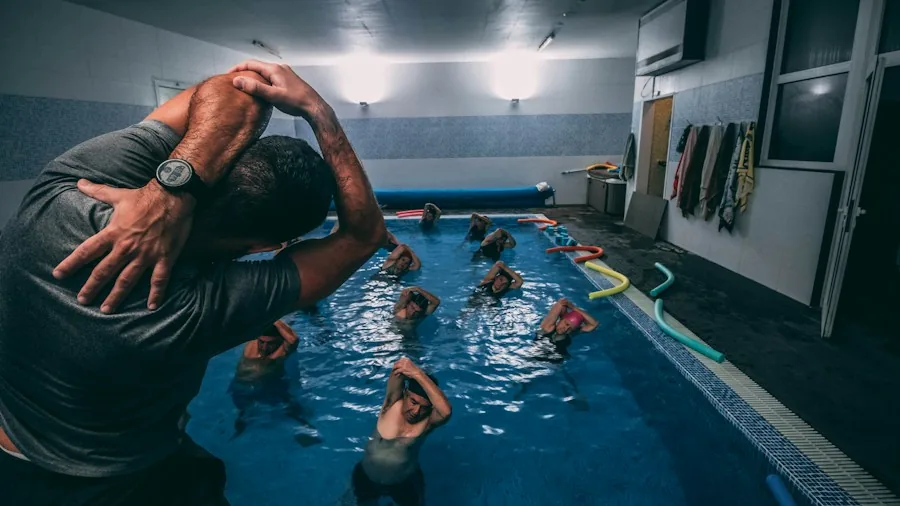
Every group fitness class is designed around an average participant, which means your specific goals and fitness level may not receive direct attention. Instructors manage dozens of people at once, so true customization simply isn’t feasible at that price point. However, this doesn’t mean you’re stuck with a generic experience.
Building a relationship with your instructor makes a measurable difference. Take time to introduce yourself and share details about your fitness history, injuries, and goals. Most instructors want to help their entire class succeed and will offer form corrections, exercise progressions, and encouragement more readily when they know you personally. If you’re recovering from an injury or have specific needs, communicating this directly is essential. A good coach will suggest modifications without completely redesigning the class for you alone. The key is respectful communication and understanding that the coach is doing their best within realistic constraints.
Overcoming Lack of Progressive Overload
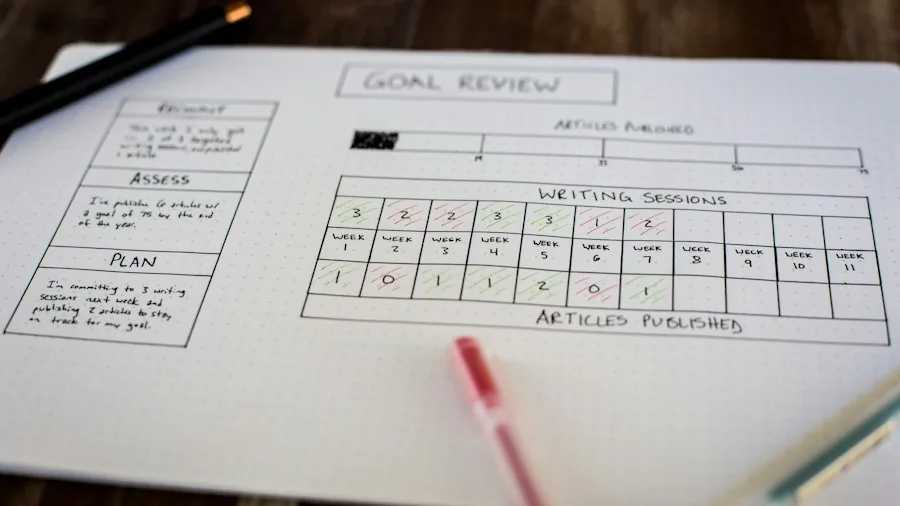
Progressive overload, gradually increasing the challenge of your workouts, is harder to track in group settings where equipment and participants change constantly. Many people stop making progress because they’re not actively pushing themselves harder over time.
The solution is straightforward: track your own statistics. Keep notes on weights used, rep counts, and workout intervals. When you can complete two additional reps than prescribed for two consecutive weeks, it’s time to increase the load. Alternatively, grab slightly heavier weights every two to three weeks if your form remains solid. This self-directed approach ensures you’re continuously challenging your body even when your instructor can’t individually monitor everyone’s advancement. Progressive overload is entirely achievable in group fitness with a bit of personal initiative and record-keeping.
Class Size and Supervision Matter for Safety
Walking into an overcrowded class where the instructor never leaves the front of the room is a red flag. While packed classes create great energy, they prevent instructors from doing their most important job: monitoring participant form and safety. When weights are involved, poor form increases injury risk dramatically.
High-quality fitness facilities train instructors to physically approach and interact with every participant multiple times during class, offering form cues, weight suggestions, progressions, or encouragement. If your instructor remains stationary at the front while 40 people exercise, it’s time to find a different class or instructor. The type of workout matters too, cycling or treadmill classes require less supervision than barbell or dumbbell work. Choose classes where the instructor actively moves around the room and can catch dangerous form breakdowns before they happen. If your current class doesn’t meet this standard, seek one that does.
Rethinking the Sweat Equation
Group fitness often conflates sweatiness with effectiveness, leading instructors to overcomplicate movements for the sake of intensity. Combining unrelated exercises like squats with bicep curls might increase heart rate, but it doesn’t maximize strength gains. You likely can’t lift as much weight when performing multiple movements simultaneously, which undermines the strength-building potential of each exercise.
If your class overcomplicates movements, simply choose one component and execute it with full focus. Perform squats alone to challenge your legs or do bicep curls to target your arms. Viral home workout routines and group classes work best when movements align with your actual goals rather than chasing sweat production. Let your instructor know you’re modifying the workout and why, a good coach will understand and respect your decision to train smarter, not just harder.
Making Your Investment Count
Group fitness classes offer tremendous value when approached strategically. Choosing appropriate gear like supportive shoes is part of the equation, but your mindset and preparation matter more. Build rapport with instructors, track your progression, prioritize proper form over sweat, and understand the realistic constraints of group settings. When you combine these strategies with consistent attendance, you’ll transform generic group classes into a personalized fitness experience that delivers real progress toward your goals.






Write Your Review
No reviews yet. Be the first to share your experience!