

The Saffron Opportunity for Home Gardeners
Saffron has long held a reputation as one of the planet’s most costly spices, commanding premium prices at grocery stores for even tiny quantities. But recent interest in home gardening has sparked a quiet revolution: ordinary gardeners with sunny plots are now producing their own saffron for a fraction of retail costs. This shift raises an important question for consumers: is it finally practical to grow this luxury spice yourself, and what should you know before starting?
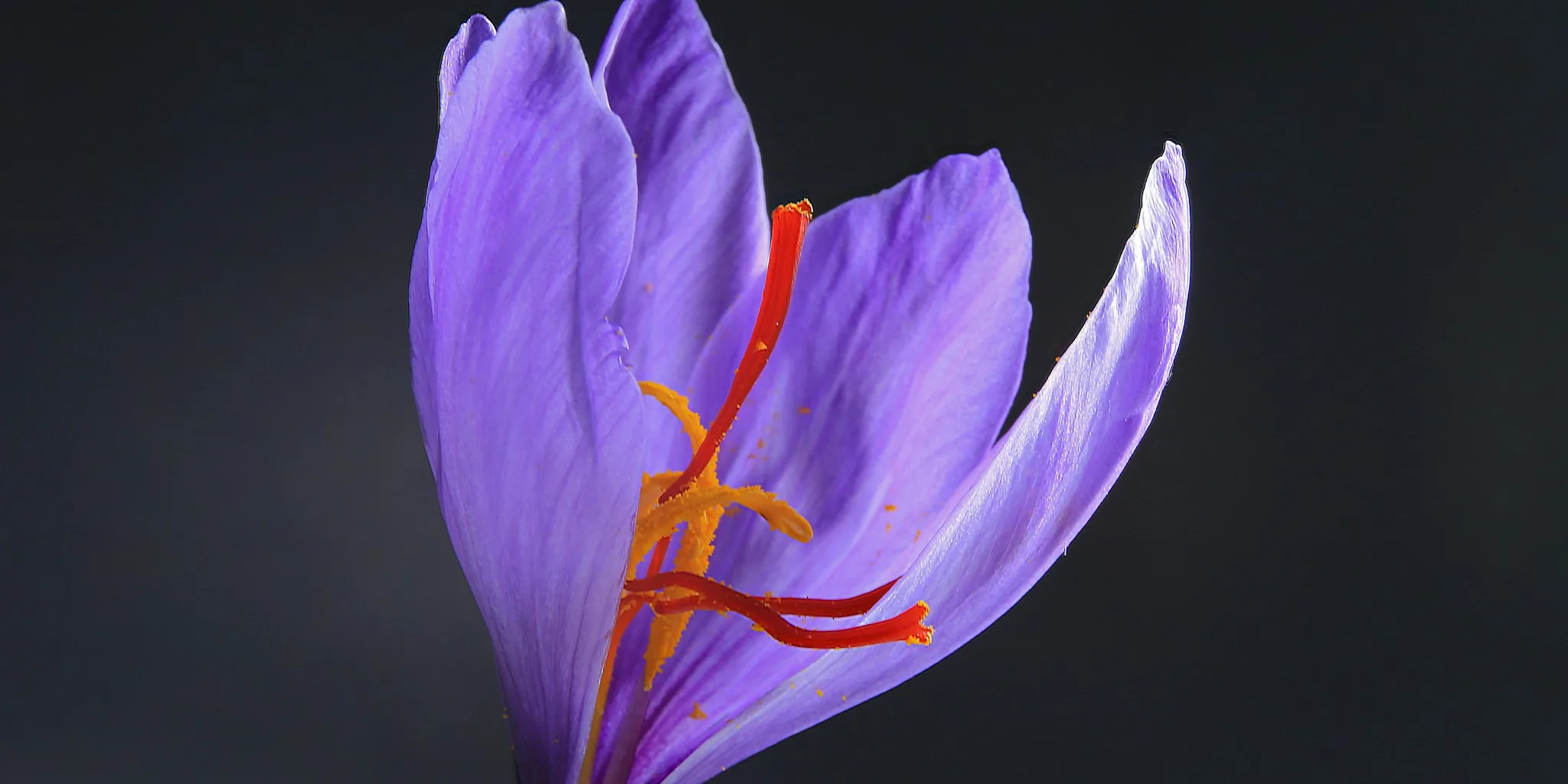
The answer is straightforward. Saffron comes from Crocus sativus, an autumn-blooming crocus with striking purple flowers. Each bloom contains three slender red stigmas, and those threadlike structures are the spice itself. A single gram of dried saffron threads requires roughly 150 flowers hand-harvested by specialists, which explains the eye-watering price tag. Growing the plant at home, however, is surprisingly simple if you understand the basics.
Where and How to Plant Your Saffron Crocus
Saffron crocus grows from bulb-like corms and thrives in zones 4 through 8 across the United States. The best planting window is August through October, though the plants are tough enough to tolerate later starts. Since saffron is hardy in most U.S. regions, you can enjoy blooms the very first autumn and watch your harvest grow each year as the corms multiply naturally.
The single most critical requirement is drainage. Saffron corms rot quickly in soggy soil, so gardeners with heavy clay should consider raised garden beds to ensure proper water flow. If your existing soil drains well, you can plant directly into borders or lawns for drifts of purple fall color. For colder zones or extra security, container growing works equally well. Plant corms four to six inches deep and three to four inches apart with the pointed end facing up, then water once.
Wildlife protection matters too. Voles and squirrels will dig for the corms, so bury a layer of galvanized steel mesh underneath if you’re planting in borders or pots. Deer can damage the grassy winter foliage, so netting provides additional protection in areas with heavy deer traffic.
Avoiding Common Mistakes That Ruin Harvests
Several pitfalls catch beginning saffron growers off guard. The most dangerous is confusion with similar plants. Autumn crocus (Colchicum autumnale) looks similar but is poisonous from top to bottom and often gets mislabeled in garden centers. Buy corms only from reputable suppliers and verify the label says Crocus sativus. The telltale difference: saffron crocus has three stamens, while Colchicum has six.
Another frequent error is summer watering. Saffron goes dormant around June or July, and if your planting shares a drip line with thirsty tomatoes or other summer crops, the excess moisture will rot the dormant corms. Similarly, never cut the foliage early. Let the leaves yellow naturally because they continue feeding next year’s corms until dormancy. First-year plantings often produce fewer flowers than expected, so don’t be discouraged if your initial harvest seems modest.
Harvesting, Drying, and Using Your Homegrown Saffron
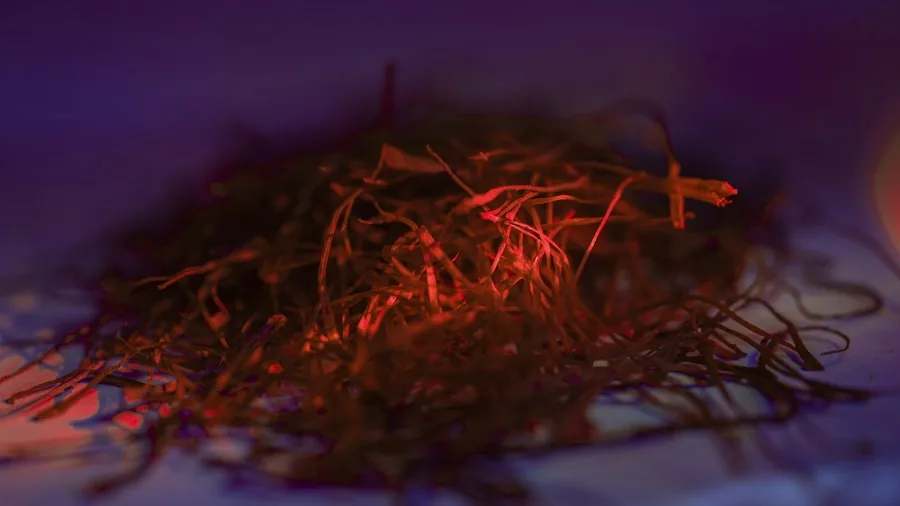
When flowers open in October or November, harvest in the morning once dew dries but before blooms fully open. Pull the three red stigmas gently and leave the yellow stamens behind; tweezers make this task much easier. Threads must dry completely before storage. Air-drying in a warm, dark corner works but takes time, while a dehydrator with a fine mesh screen speeds the process significantly.
Store dried threads in small, airtight amber glass jars away from light. Properly stored saffron holds quality for up to two years. Let a fresh batch age about a month before using it, which allows the flavor to develop fully.
In the kitchen, a little saffron delivers enormous flavor. Crumble a pinch into warm water, steep for fifteen to twenty minutes, and use the golden liquid to season rice or seafood. You can also whip it into mayonnaise for seafood dishes, add it to baked goods for color, or steep strands in hot water for a soothing tea with honey. Just remember that pregnant women should avoid saffron, and it may interact with blood pressure and diabetes medications, so consult your doctor first.
Is Growing Saffron Actually Cost Effective?
During the first year, homegrowing probably won’t save money. A starter bed of thirty to forty corms might yield only enough for two or three dishes. However, the equation changes dramatically in subsequent years. Each established corm develops several offsets by spring, and a bed that produced a pinch in year one can deliver noticeably larger harvests by year three. Once you invest in corms, the only ongoing cost is your labor, unlike store-bought saffron where prices never drop.
To maximize your supply, divide crowded clumps every few years and replant the offsets. What makes homegrown saffron truly worthwhile isn’t just savings on spice; it’s the bonus of enjoying those stunning purple flowers every fall and understanding firsthand why commercial saffron commands such premium prices. When you’ve pulled cold, delicate stigmas on a November morning, the grocery store jar suddenly makes perfect sense. For serious gardeners willing to invest time, saffron transforms your autumn garden into both a beautiful landscape feature and a productive spice garden. Consider pairing your saffron bed with quality gardening gloves to protect your hands during the delicate harvesting process.





Write Your Review
No reviews yet. Be the first to share your experience!