

What Is HDMI Passthrough on Soundbars?
When shopping for a new soundbar, you might encounter the term HDMI passthrough as a featured specification. This technology allows you to connect source devices, such as gaming consoles or streaming devices, directly to your soundbar using HDMI instead of plugging them into your television. The soundbar then sends the video signal through to your TV while extracting and playing the audio through its own speakers.
Think of it as a routing system. Instead of connecting your devices to your TV and losing an HDMI port in the process, the soundbar acts as an intermediary. It handles the audio processing while passing the video along to your display without any loss of quality. This setup becomes especially valuable when you have multiple devices competing for limited TV ports.
How HDMI Passthrough Differs from ARC and eARC
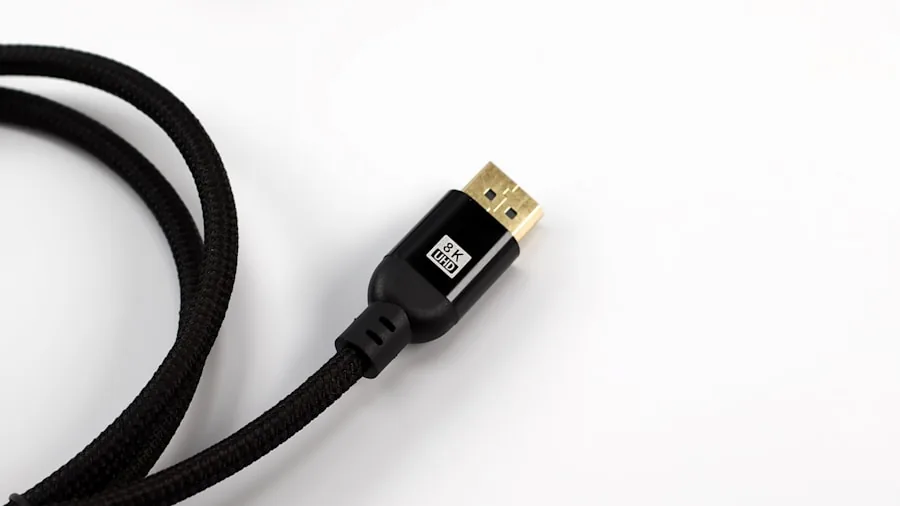
Many people confuse HDMI passthrough with ARC (Audio Return Channel) and eARC (enhanced Audio Return Channel), but they serve different purposes. Passthrough moves video from a device through the soundbar to the TV. In contrast, ARC and eARC allow your TV to send audio back to the soundbar, typically from built-in streaming apps or other content sources.
These technologies work together in a complete system. For example, you might connect a gaming console to your soundbar’s HDMI input, where the soundbar handles the console’s audio and passes the video to your TV. Meanwhile, eARC allows the TV to send audio from its native apps directly to the soundbar for enhanced sound quality.
Do You Really Need HDMI Passthrough?
The honest answer depends on your specific setup and needs. HDMI passthrough solves three main problems for shoppers. First, if your TV has run out of available HDMI ports, passthrough gives you an extra connection point without replacing any existing cables. Second, if you’re running out of HDMI 2.1 ports specifically, which support high-refresh gaming at 4K resolution, a soundbar with HDMI 2.1 passthrough preserves your gaming capabilities.
The third scenario applies less frequently but matters for enthusiasts. Some audio formats like DTS aren’t supported by major TV manufacturers like Samsung and LG, but are supported in their soundbars. Connecting a source device directly to the soundbar ensures you get full-quality sound decoding without your TV’s limitations getting in the way.
If none of these situations apply to you, passthrough is optional. The simplest approach for many shoppers remains connecting devices directly to the TV and running one HDMI cable from the TV’s eARC port to your soundbar. Fewer connections mean fewer potential compatibility headaches.
What to Look for When Shopping
When evaluating soundbars for your TV setup, check the specifications carefully. Look for soundbars labeled with an “HDMI In” or “HDMI Input” port, which is where your devices connect. You’ll also see an “HDMI Out” port labeled with ARC or eARC, which connects to your television.
Simply having an HDMI input doesn’t guarantee support for every feature you need. If you own a PS5, for example, verify that the soundbar’s passthrough supports 4K 120Hz, variable refresh rate, and Dolby Vision if you plan to use those features. Check the manufacturer’s detailed specifications for resolution, refresh rate, HDR support, and audio format compatibility. Don’t assume that marketing terms like “HDMI 2.1” or “4K passthrough” tell the complete story, as HDMI technology has many nuances.
How Passthrough Affects Your Overall System

Adding HDMI passthrough to your home theater can streamline cable management and reduce the stress on limited ports. Many premium soundbars now include multiple HDMI inputs, effectively expanding your TV’s connectivity rather than competing with it. When you’re shopping for a new TV and soundbar combination, consider how passthrough might simplify your setup.
For future-proofing, passthrough offers flexibility as you add new devices over time. However, this shouldn’t be your primary purchasing driver unless you already face port limitations or have specific audio format needs. Evaluate your current equipment and realistic future needs rather than buying features you may never use.
The Bottom Line for Shoppers
HDMI passthrough is a genuinely useful feature for the right buyer, but it’s not essential for everyone. Before spending extra money on a soundbar specifically for this capability, honestly assess whether you have more devices than ports, need HDMI 2.1 gaming support, or require audio format support your TV lacks. If you fit one of these categories, passthrough can improve your entertainment system significantly. Otherwise, focus on sound quality and other performance factors when comparing options for your TV environment. The best soundbar is one that matches your actual needs and budget, not one loaded with features you’ll never access.






Write Your Review
No reviews yet. Be the first to share your experience!