

What Happened
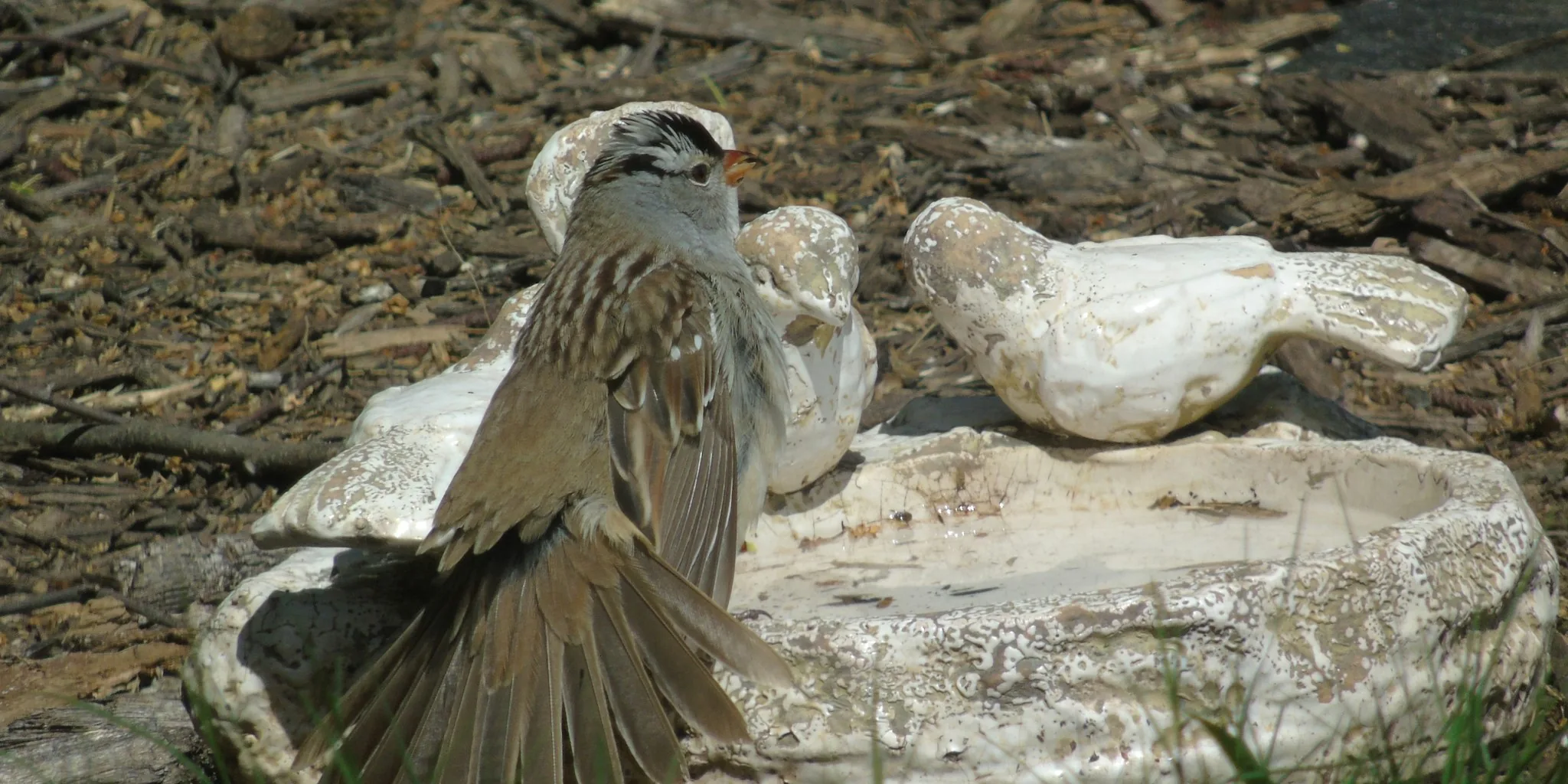
As summer temperatures climb past 90 degrees, backyard birds face unprecedented stress. Without the ability to sweat, birds must pant to cool down, which burns energy and depletes their water reserves just when outdoor moisture sources are disappearing. Insects vanish in extreme heat, and bird baths dry up by midday. A simple solution is gaining traction among gardeners and bird enthusiasts: frozen peas. This inexpensive pantry staple has become recognized as one of the most practical ways to help birds survive summer heat waves while spending minimal money.
Why Frozen Peas Work So Well
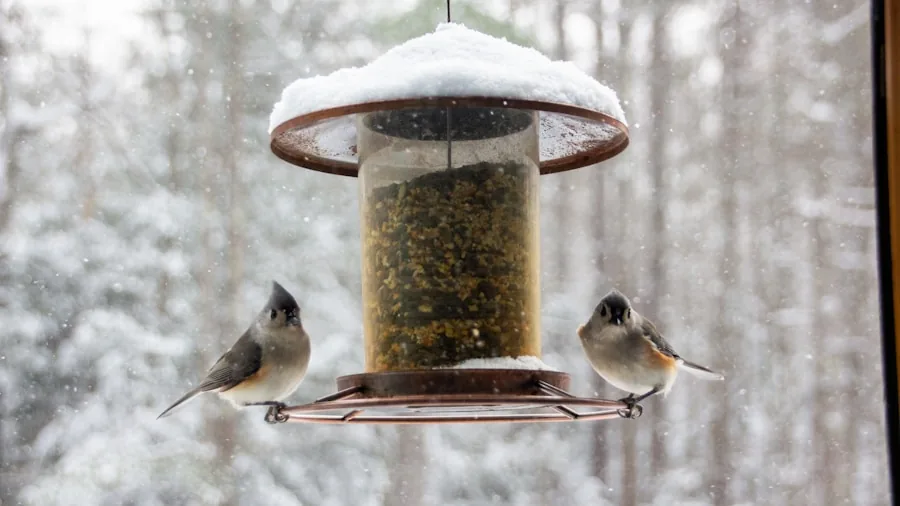
Frozen peas are roughly 80 percent water, making them an ideal hydration source when birds need it most. Unlike a splash from a garden hose, which soaks into dry ground, peas thaw slowly and release moisture over several hours. This extended hydration window is critical during peak afternoon temperatures when birds are most stressed.
The texture matters too. Peas have thin, easily broken skins that give way to soft interiors, making them simple for heat-exhausted birds to eat without expending extra energy. They also contain natural electrolytes, vitamin C, and plant protein in an easily digestible form. Other frozen vegetables fall short: sweetcorn husks demand significant digestive water; carrots and lima beans are too hard and pose choking hazards for smaller bird species.
Different bird species have different preferences. Robins and blackbirds tackle whole peas readily, while smaller birds like chickadees and house finches prefer peas lightly crushed with a fork, which breaks the skin and releases sweet juice for tiny beaks to access.
How to Feed Peas to Your Backyard Birds
Placement and timing dramatically affect success. Never scatter peas in full sun; they’ll turn to warm mush within minutes and spoil quickly. Instead, place them in shade under shrubs, along fence lines, or beneath garden benches. Shaded feeding areas keep the food fresh longer and make birds feel safer from predators.
Timing matters equally. Put peas out in early morning and again toward evening when birds are most active, rather than leaving them sitting through the hottest midday hours. Small batches work better than large piles, preventing waste and reducing pest attraction.
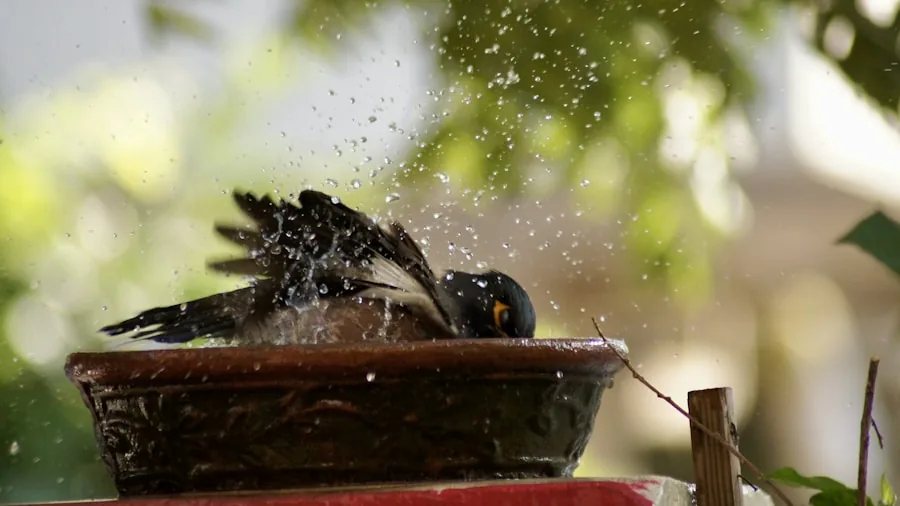
For presentation, consider using a ground feeder tray or raised feeding platform to keep peas elevated and clean. Floating peas in a shallow bird bath creates an even better feeding station. The bright green color and bobbing motion attract species that rarely visit seed feeders, including goldfinches and hummingbirds. Keep bath water depth to just 1.5 inches and add rough rocks so smaller birds have secure footing.
Keeping Things Sanitary and Safe
Thawed peas ferment quickly in summer heat and must be cleared out by evening if uneaten. This prevents pest problems and disease transmission. Rinse feeding dishes weekly using a simple nine-to-one water-to-white-vinegar solution to eliminate buildup and keep your garden sanctuary disease-free.
Remember that peas are a supplement, not a complete diet. Growing songbirds still need dense protein from natural food sources. Pair your pea station with mealworms or native fruiting plants like serviceberry to give visiting bluebirds and robins the amino acids they need alongside hydration.
Most birds approach new foods cautiously, so patience is key. It may take a day or two before regular visitors start consistently eating the peas. Once they discover them, frozen peas become a reliable, affordable part of their summer survival strategy.
Create a Complete Summer Bird Haven
Beyond peas, moving water is the ultimate attraction for heat-stressed birds. A solar-powered fountain or water wiggler breaks the surface tension and creates ripples that signal fresh, oxygenated water. Warblers, tanagers, and vireos rarely visit seed feeders but will travel across neighborhoods for moving water in summer.
To combat green algae blooms caused by intense sun, drop a copper disc into your bird bath. Copper naturally prevents algae growth while keeping water clear for days between cleanings. Pair regular bath maintenance with proper care tools and equipment to create a safe, inviting environment that protects your feathered neighbors through the hottest months.


Write Your Review
No reviews yet. Be the first to share your experience!