
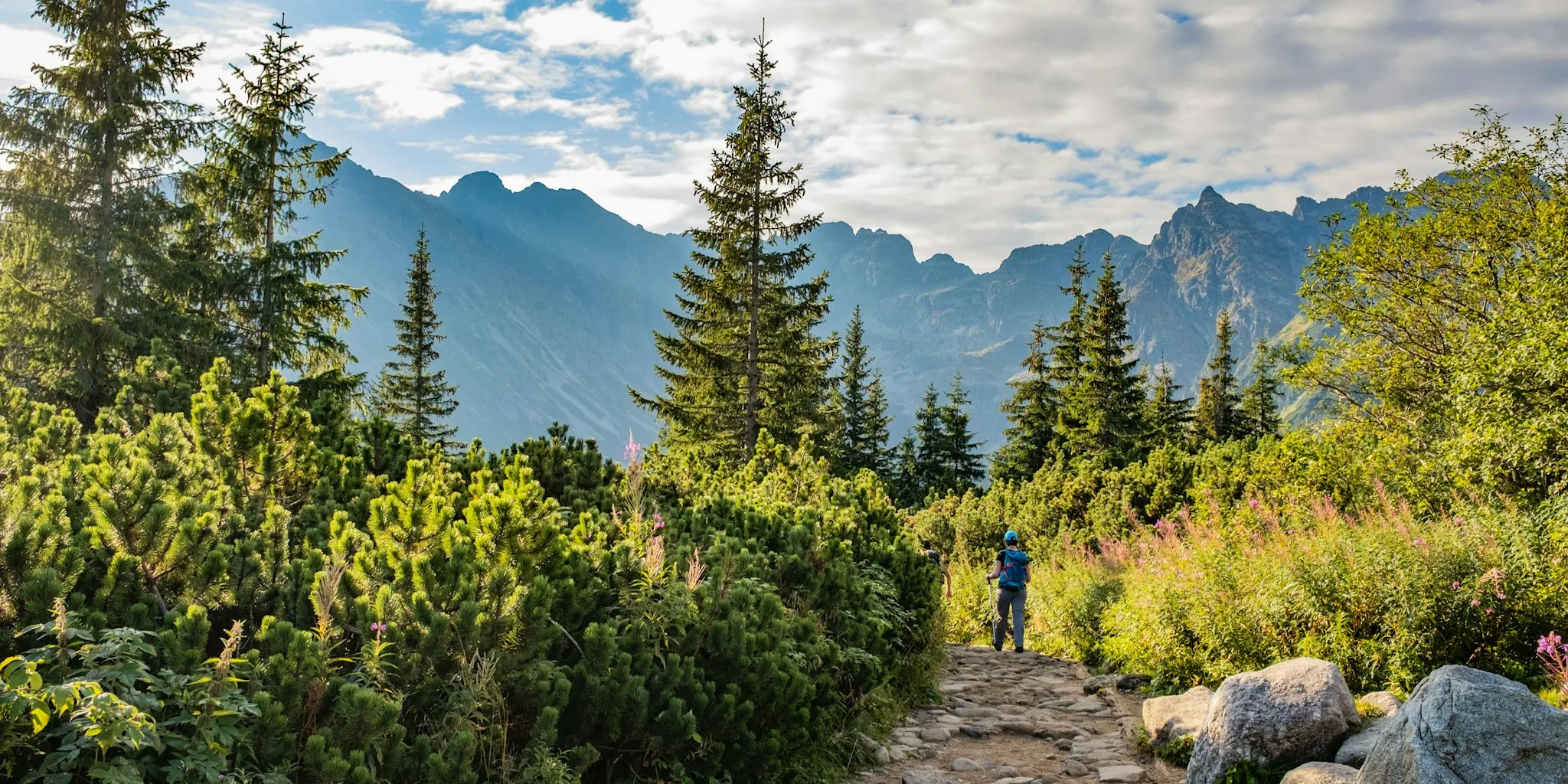

What Happened on Mount of the Holy Cross
A gripping new podcast series has brought renewed attention to one of Colorado’s most haunting outdoor mysteries. In September 2005, a 35-year-old mother of four from the Denver suburbs set out for a hike on Mount of the Holy Cross, one of Colorado’s most demanding fourteeners. She was accompanied by a neighbor, but the two separated during the climb on the rocky, exposed slopes. What followed was nearly two decades of unanswered questions, as the missing hiker simply vanished without a trace.
The disappearance triggered one of the largest search and rescue operations in Colorado state history. Hundreds of volunteers and professionals searched the peak’s challenging terrain, yet no evidence of the hiker was ever found. The case remained unsolved for nearly 19 years, baffling law enforcement and rescue experts who struggled to understand how someone could vanish so completely in a well-traveled mountain area.
New Podcast Explores the Mystery and the Search Effort
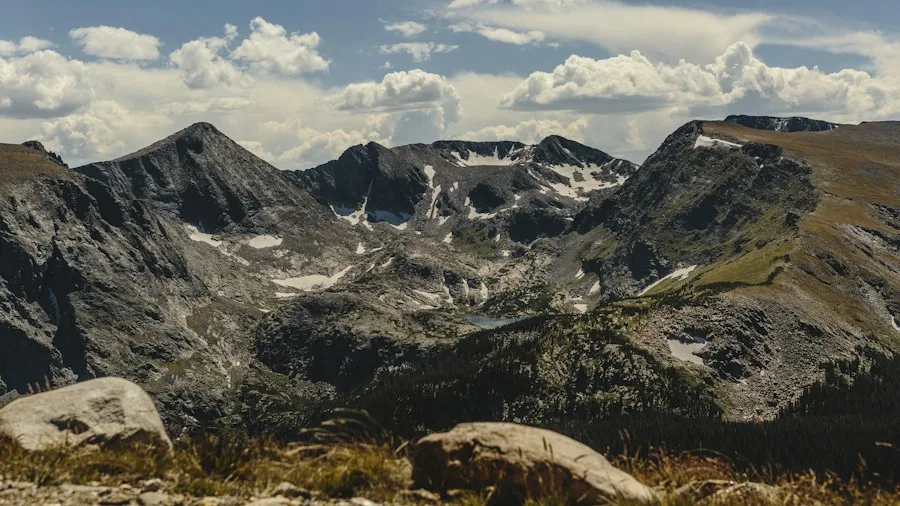
A recent podcast series tells the complete story of the hiker’s life, her deep love of outdoor adventure, and the decisions that led to her fateful climb. The narrative also documents the herculean rescue mission that followed, featuring interviews with members of mountain rescue teams who participated in the initial search. One of the podcast’s creators is himself a member of a local mountain rescue group, bringing firsthand experience and credibility to the investigation.
The story examines not only the disappearance itself but the broader context of backcountry safety in Colorado’s high terrain. It explores how experienced hikers can still face unexpected dangers, even when they follow generally sensible practices. The podcast serves as both a true-crime narrative and an education in the realities of high-altitude mountain rescue operations.
What This Means for Hikers Today
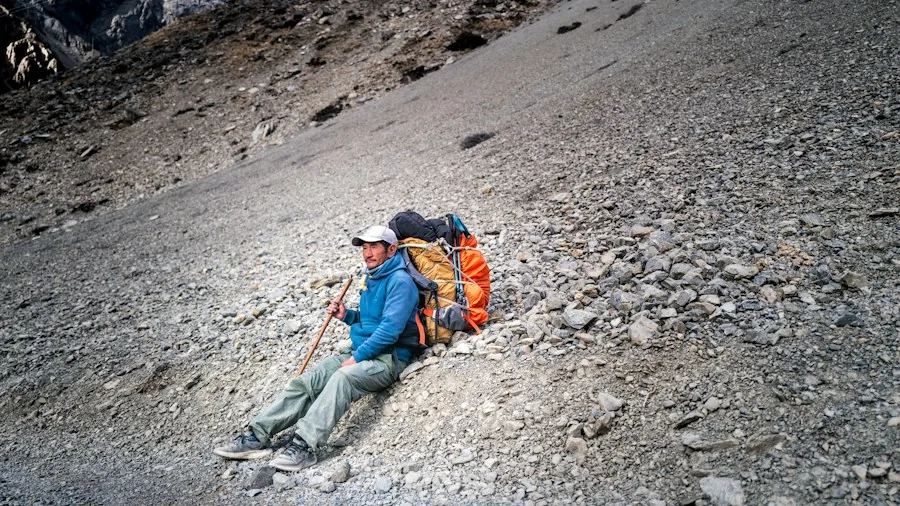
For anyone planning backcountry hikes, especially on challenging fourteeners, this case underscores several critical lessons. First, hiking with a partner is essential, but partners must stay together. Separating on exposed terrain dramatically increases risk. Second, communication is vital: letting someone know your exact route and expected return time can be lifesaving if something goes wrong.
Proper gear also plays a significant role in backcountry safety. Wearing quality hiking shoes designed for rocky, uneven terrain can prevent the twisted ankles and falls that might lead to injury in remote areas. Similarly, choosing appropriate hiking pants made from durable materials offers protection from sharp rocks and sudden weather changes common at high elevations.
Weather preparedness cannot be overstated. Mountain conditions can shift rapidly, and adequate layers, navigation tools, and emergency supplies are non-negotiable. Many hikers underestimate how quickly they can become disoriented in high-altitude terrain, especially when weather deteriorates.
Building a Culture of Backcountry Responsibility
This case also highlights the importance of formal training and education for anyone pursuing challenging hikes. Mountain rescue teams recommend that hikers take courses on navigation, emergency first aid, and altitude awareness before attempting fourteeners. Understanding your own physical limits and the specific hazards of a peak you plan to climb can make the difference between a successful summit and a tragedy.
Women hikers especially should research conditions thoroughly and consider using women-specific hiking footwear engineered for proper fit and ankle support. Proper fitting gear prevents injuries that can compound quickly in remote settings.
The renewed attention on this decades-old disappearance serves an important purpose: it reminds the hiking community that backcountry adventure, while deeply rewarding, demands respect and preparation. Every season brings new hikers to Colorado’s peaks, and many lack experience navigating the unique dangers of high-altitude terrain. By learning from previous incidents and maintaining strict safety protocols, the outdoor community can continue to enjoy these natural treasures while minimizing preventable risks.
As the podcast demonstrates, the mountain environment doesn’t forgive carelessness, and rescue operations, while staffed by dedicated volunteers and professionals, cannot always locate lost hikers quickly or at all. Preparation, communication, and the discipline to stay with your group remain your best defenses against becoming part of a search and rescue statistic.




Write Your Review
No reviews yet. Be the first to share your experience!