

Recent incidents on popular hiking trails have renewed conversation about safety for solo adventurers, particularly women exploring remote areas. A knife attack on a hiker near Grand Canyon National Park and a bear encounter in Alaska have brought attention to the real risks outdoor enthusiasts face when venturing into wilderness alone. For many seasoned hikers and travelers, these incidents raise important questions: Is solo hiking still worth the risk, and if so, how can you hike more safely?
The answer from experienced outdoor enthusiasts is clear: yes, solo hiking remains rewarding for those who approach it with informed decision-making and practical precautions. The difference between hikers who continue adventuring and those who stop isn’t about ignoring danger. Instead, it’s about developing a realistic relationship with risk management and understanding what precautions actually work.
Understanding Real vs. Perceived Risk on the Trail
The internet has amplified concerns about outdoor safety through viral discussions and social media coverage of rare but dramatic incidents. However, statistically, serious attacks on hikers remain uncommon. The key is distinguishing between what’s possible and what’s probable. While any assault or wildlife encounter is tragic, the odds of experiencing one on a typical day hike are low, especially when you take sensible precautions.
Self-defense experts emphasize that awareness and preparation matter more than fear. Training in basic outdoor defense tactics, learning to recognize warning signs, and trusting your instincts can significantly reduce vulnerability. Many organizations now offer hiking-specific self-defense courses that teach women practical skills without promoting panic or discouraging outdoor participation.
Essential Safety Gear and Equipment Matters
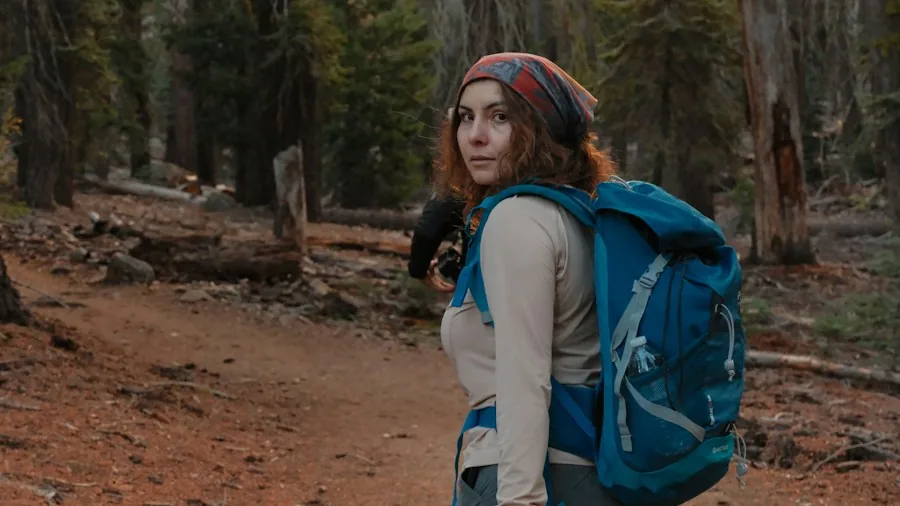
Serious solo hikers treat safety gear as a non-negotiable expense, not an afterthought. This means investing in proper equipment even when it means cutting back on other travel costs. Key items include dual bear spray canisters when hiking in bear country, a reliable personal alarm or whistle, a charged smart watch with SOS capabilities, and a fully charged phone with offline maps downloaded.
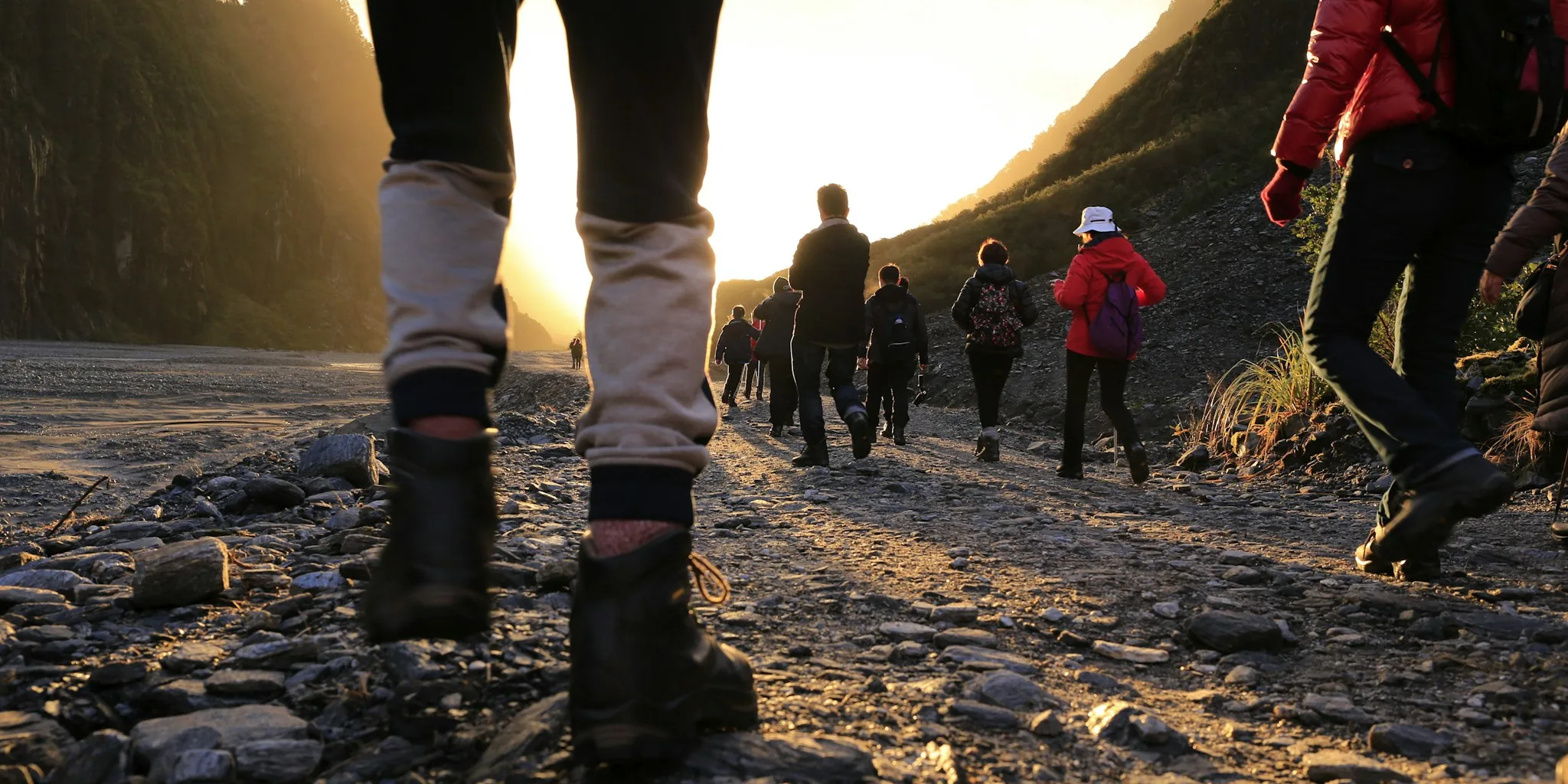
Your footwear choice also affects trail safety. The best hiking boots provide ankle support and traction that help prevent falls and allow you to move confidently on uneven terrain. For women, choosing proper hiking pants designed for mobility ensures you can move quickly and respond to unexpected situations. Adding hiking poles for stability reduces injury risk and improves your ability to navigate challenging sections safely.
Smart Planning Beats Expensive Precautions
Practical risk mitigation doesn’t require spending a fortune on every hike. Instead, focus your budget on proven safety measures. Choose well-reviewed accommodations in safe neighborhoods rather than the cheapest option. Share your location and planned route with trusted contacts before departing. Hire local guides for unfamiliar areas instead of self-guiding. Arrange private transportation when available rather than using public transit in unfamiliar regions.
Weather planning also plays a crucial role. Always plan for conditions that might occur, not the weather you hope for. Being back at camp before dark significantly reduces risk during solo trips. Avoiding hiking during times when you feel physically or mentally compromised matters more than pushing through when something feels off.
Trusting Your Intuition Saves Lives
Perhaps the single most important safety tool is recognizing and honoring your gut instinct. Moments before dangerous encounters, most people report feeling uneasy about something or someone. The pressure to appear polite or not wanting to seem paranoid often overrides these warning signals. Experts stress that your intuition evolved to protect you, and dismissing that quiet warning voice is dangerous.
If something about a person, trail section, or situation triggers your internal alarm, change your plans. Skip the hike for that day. Take a different route. Exit early. No summit, view, or experience is worth ignoring the warning signs your brain is sending.
The Bigger Picture: Living Fully and Safely
Solo hiking and outdoor adventure carry inherent risks, just as driving to the grocery store or living in any neighborhood does. The question isn’t whether risk exists, because it always does. The question is whether you’ll let fear prevent you from pursuing experiences that matter to you.
Seasoned outdoor enthusiasts who’ve faced real danger often find that educated, cautious adventuring remains worth the effort. They don’t take unnecessary risks, but they also refuse to let unlikely worst-case scenarios dictate their lives. For many, the independence, joy, and personal growth that come from solo hiking outweigh the manageable risks involved, provided they’ve taken reasonable precautions and maintained realistic expectations about actual danger levels.



Write Your Review
No reviews yet. Be the first to share your experience!