
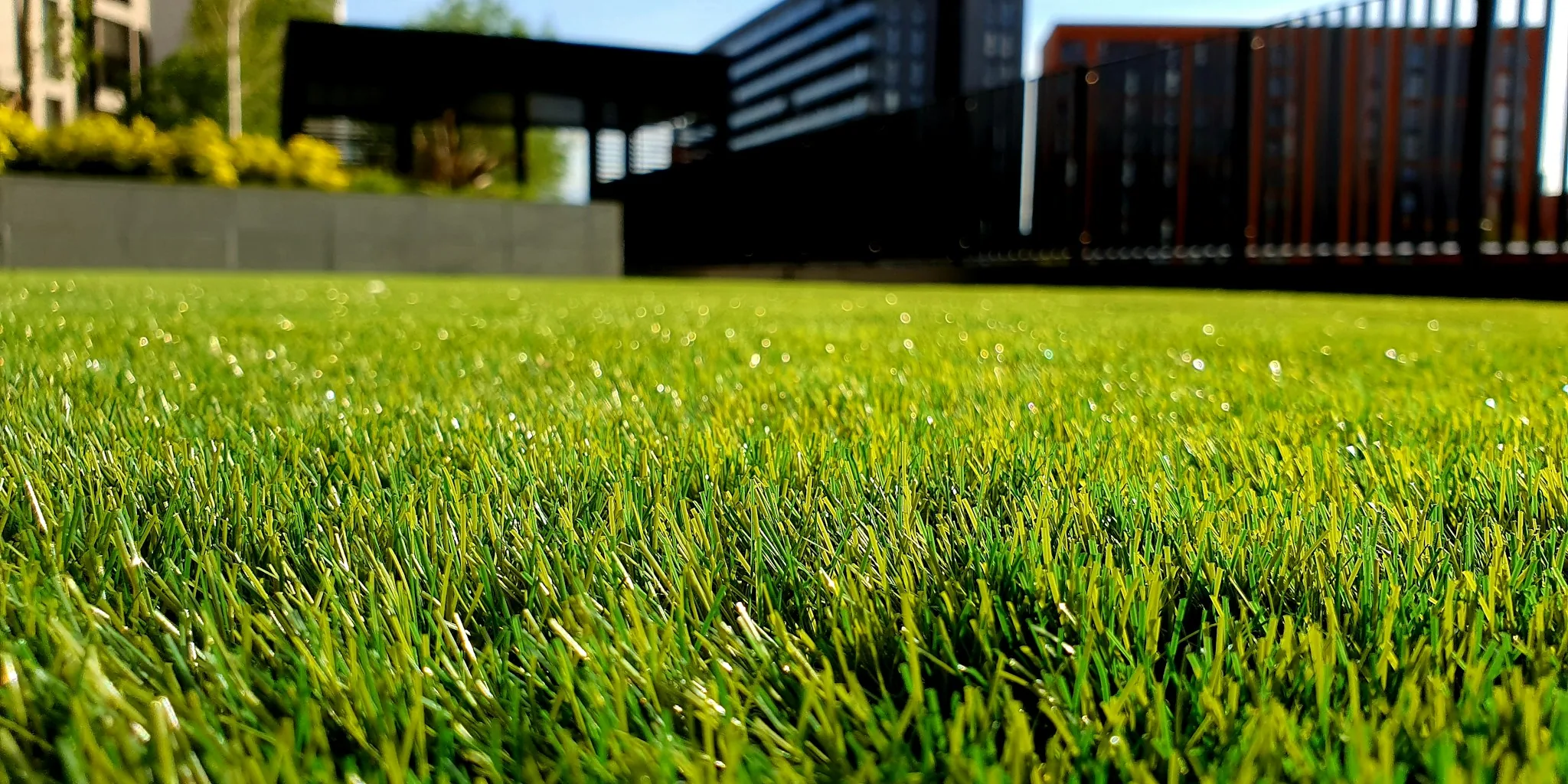

If you own a home in a community governed by a homeowners association, you may already know that HOAs set and enforce rules for properties. But what happens when the association decides your yard violates landscaping standards because of weeds? Understanding your rights and your HOA’s authority is essential, especially if you’re considering moving into or already living in a planned community.
How HOAs Get Their Power
A homeowners association exists to maintain community standards and oversee common areas. When you purchase property in an HOA community, you sign a contract called the Covenants, Conditions, and Restrictions, or CC&Rs. This legal document outlines all the rules the HOA can enforce. The association has no authority to enforce state or federal law, only the rules specified in the CC&Rs that homeowners agree to when they buy their property.
One of the HOA’s primary responsibilities is maintaining the landscape so the community looks appealing and uniform. Many CC&Rs include language requiring property owners to keep yards attractive and prohibit what they deem ugly vegetation or weeds. However, the HOA’s ability to fine you depends on how clearly those rules are written and whether they’re enforced fairly across the community.
The Problem with Defining Weeds
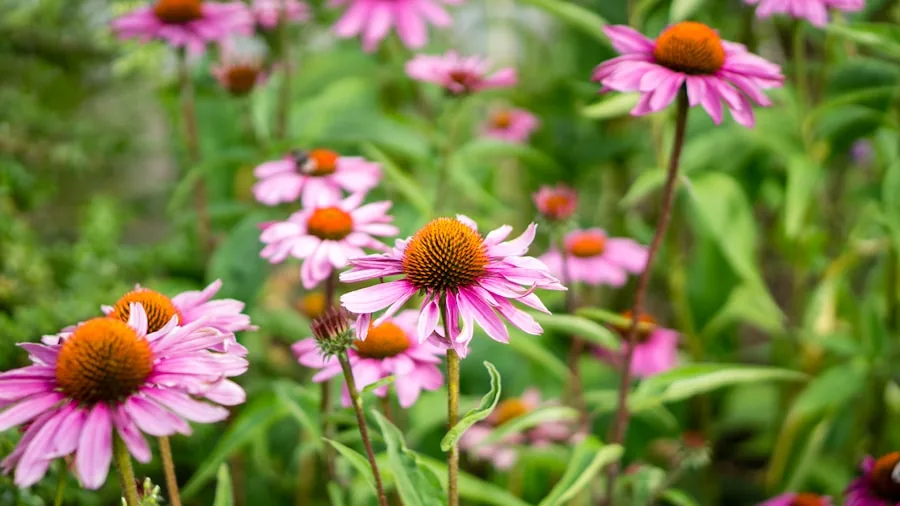
Here’s where things get tricky: the term weed has no botanical definition. By most accounts, a weed is simply any plant growing where someone doesn’t want it to grow. This means even prized flowers, native species, or valuable crops can technically be classified as weeds depending on the context and location.
Consider native plants that thrive naturally in your region. Plants that support local ecosystems and pollinators offer real ecological benefits, yet some HOA rules list them as prohibited weeds. Similarly, during drought conditions, water-conserving native plants that look dormant or untidy might trigger violation notices, even though they’re helping conserve resources.
How to Defend Yourself Against Weed Violations
If you receive a violation notice from your HOA, you have several potential defenses. First, check whether the CC&Rs use vague language. Terms like ugly or unsightly vegetation may not hold up in court because they’re too subjective. Courts generally accept weed as adequately clear language, but if your HOA’s rules lack specific definitions, you have grounds to challenge the violation.
Second, if your state is experiencing drought conditions, water conservation can be a legal defense. States like California and Arizona recognize that homeowners under water restrictions may let native plants grow and allow lawns to go dormant for conservation purposes. These yards are considered compliant with landscaping standards even if they contain plants typically labeled as weeds.
Third, native species defense works in many Western states and cities that now recognize native plant yards as valid landscaping choices. If your region has updated landscaping standards to support native plantings, you may have strong legal protection against HOA fines.
What You Can Do Before Getting a Violation Notice
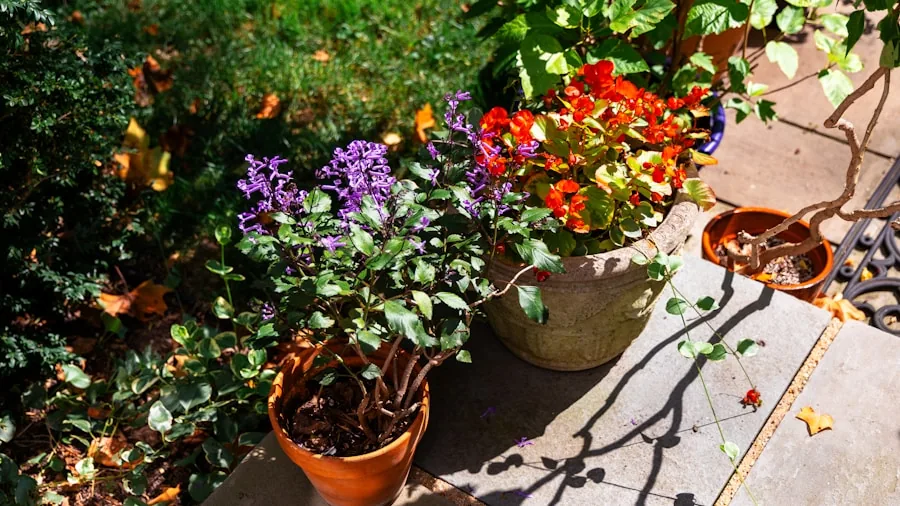
The best strategy is avoiding conflicts altogether. Start by reading your CC&Rs carefully when you move in or before purchasing. Understand exactly what the document prohibits and whether weeds or noxious weeds are defined. Ask your HOA questions about landscaping requirements and what plant choices meet their standards before making purchasing decisions.
Don’t hesitate to bring landscaping questions to HOA meetings. If rules are vague, volunteer to serve on a committee to clarify terminology and help the HOA adopt more specific standards. This proactive approach gives you a voice in how rules are written and applied.
If you want to plant native wildflowers or other unconventional plants, build your case before installation. Research the benefits of native species for pollinator support and ecosystem health. Present evidence at HOA meetings showing that native plants can look attractive and well maintained. Bring in local botanical garden experts to speak about the advantages of native plantings. When homeowners understand that native plants benefit the community, they’re more likely to support updated landscaping standards.
Practical Steps for Property Owners
Most HOA violations include a formal written warning and a specific timeframe to fix the issue before fines are assessed. State laws typically require this process. Take advantage of the remediation period to address concerns or formally challenge the violation through your HOA’s appeal process.
Understand that HOAs must apply rules consistently across the community. If your neighbor’s yard contains similar plants but receives no violation, that selective enforcement weakens the HOA’s case against you. Document such inconsistencies and use them in your defense if needed.
Whether you’re a current homeowner dealing with an HOA violation or a buyer evaluating communities before purchasing, remember that landscaping rules vary widely. Some HOAs are strict and enforce rules consistently, while others are flexible and adapt as community values change. Read the CC&Rs, ask questions, and know your rights before planting anything your HOA might challenge.



Write Your Review
No reviews yet. Be the first to share your experience!