
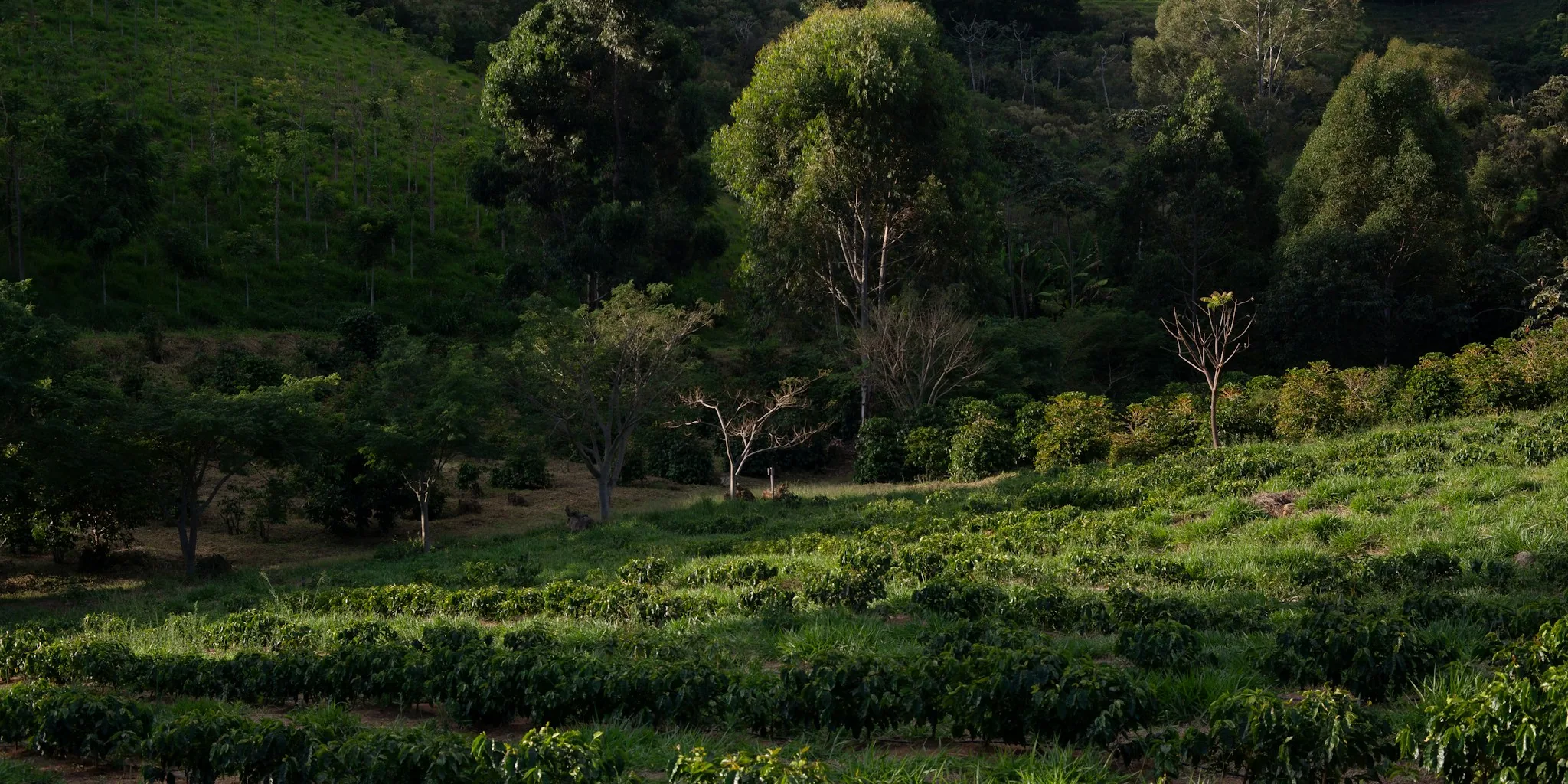

Honduras is one of the world’s largest coffee producers, and the country’s coffee sector is facing unprecedented pressure from new European Union regulations set to take effect in 2027. The EU Deforestation Regulation (EUDR) will require all coffee entering Europe to come from farms that have not cleared forest since the end of 2020, along with strict labor and human rights standards. Since more than half of Honduras’s coffee exports go to the EU, these rules are reshaping how the country’s 98,000 coffee farmers do business, with significant implications for coffee quality, availability, and prices on store shelves worldwide.
For Honduran farmers like Reinerio Zepeda, an 88-year-old shade-grown arabica producer, the new regulations represent a major shift. Zepeda and most of his neighbors have traditionally sold coffee to intermediaries without detailed tracking systems. Starting January 1, 2027, exporters must prove that coffee came from land untouched by deforestation and that workers were treated fairly. This requires sophisticated mapping and monitoring that many small farmers lack the resources or knowledge to implement on their own.
The compliance challenge is more complex than it first appears. While deforestation is relatively minor in Honduras’s traditional shade-grown arabica sector, the real obstacles are technical and financial. Farms must be georeferenced, or have their precise geographic coordinates mapped, so that satellite data can verify no forest clearing has occurred. According to industry data, only about half of the nearly 44,200 farms tracked by the Association of Honduran Coffee Exporters have completed this mapping process. The remaining farmers face an uncertain timeline and mounting costs to comply.
What Compliance Actually Costs
Accurate georeferencing, combined with satellite analysis and deforestation verification, costs approximately 22 dollars and 50 cents for a typical 7-hectare farm. For a country where most coffee growers own less than 3 hectares and operate on thin margins, these expenses add up quickly. The catch is that the EU offers no guaranteed price premium to offset these costs. As a result, some exporters are choosing to redirect their sales to Asia and the United States, where regulations remain less stringent, which could reduce the quality and variety of Honduran coffee available in European and global markets.
Another major problem is the fragmented technology landscape. Exporters, cooperatives, and private companies have developed competing digital platforms to track coffee from farm to export. Some use free platforms like CIAT or Inatrace, while others pay for proprietary systems developed by major buyers. This patchwork approach creates confusion and lock-in effects: farmers who allow a company to georeference their land often cannot easily switch to a different buyer if a better price emerges, because their data remains controlled by the original exporter. Independent farmers like Fredy Pastrana have expressed concerns that this arrangement gives buyers too much power and discourages competition.
The Labor and Human Rights Challenge
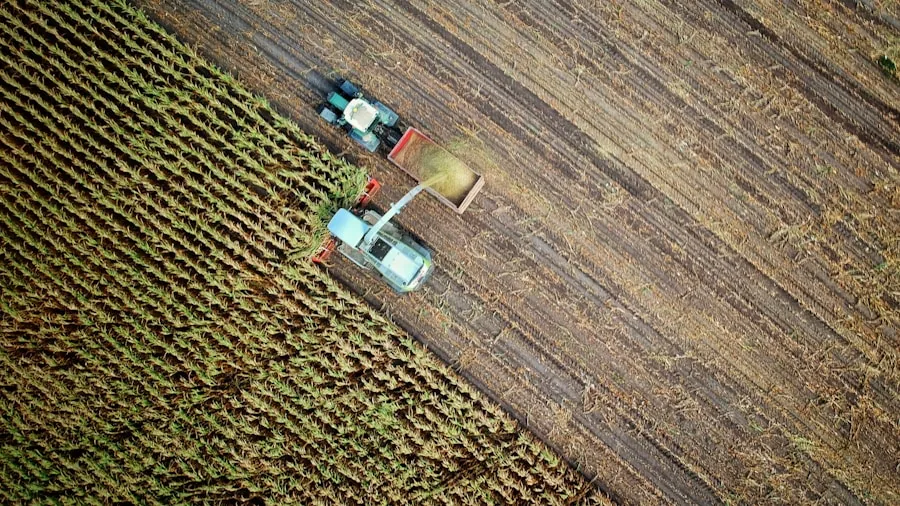
Compliance with EUDR also requires demonstrating that labor rights and human rights standards are met, and this is where Honduras faces its biggest hurdle. Land ownership records are often informal or collective in rural mountain regions, making it difficult to prove legal title. Child labor is common during the harvest season, which runs from November to January, exactly when school is closed. While some large exporters have implemented due diligence programs, enforcement remains weak and sporadic across the industry.
Only 44 percent of coffee farmers in Honduras are currently aware of the EUDR, and just one in three has received any training on compliance requirements. Many farmers who believe they meet the criteria have not completed the technical steps required. Without widespread education campaigns and practical support such as childcare during harvest season, compliance will remain out of reach for tens of thousands of small growers.
The good news is that some organizations are stepping in. NGOs like Solidaridad are working with the Honduran Coffee Institute to train 10,000 farmers for free in the coming months. Additionally, technical teams have discovered that satellite-based deforestation detection systems trained primarily on European and Amazon data were producing 90 percent false positives in Central America’s mountain terrain. By using multiple layers of satellite data and cross-checking against national forest records, error rates have dropped to 22 percent, improving accuracy for farmers who have nothing to hide.
What This Means for Shoppers
For coffee lovers in the US and Europe, these changes will likely mean higher prices, reduced availability of certain Honduran varieties, and a potential shift in where coffee comes from. The best coffee makers for every budget and brewing style will continue to brew the beans you buy, but your options may narrow if Honduran farmers exit the market rather than invest in compliance. Conversely, the best drip coffee makers that actually taste amazing could showcase more traceable, transparent supply chains once the transition is complete, potentially raising confidence in ethically sourced coffee.
Honduras’s coffee industry generates 1.1 million jobs domestically and represents 5 percent of the country’s GDP. If too many small farmers abandon coffee production or sell to unregulated markets, the entire economy could suffer. The real test comes in 2027, when the regulation takes effect and importers face fines of up to 4 percent of their annual EU revenue for violations. Between now and then, the government, exporters, and farmer organizations must work together to build transparent, open-data systems that do not lock farmers into unfavorable contracts, ensure fair prices reward compliance, and educate all stakeholders about what compliance actually requires.






Write Your Review
No reviews yet. Be the first to share your experience!