
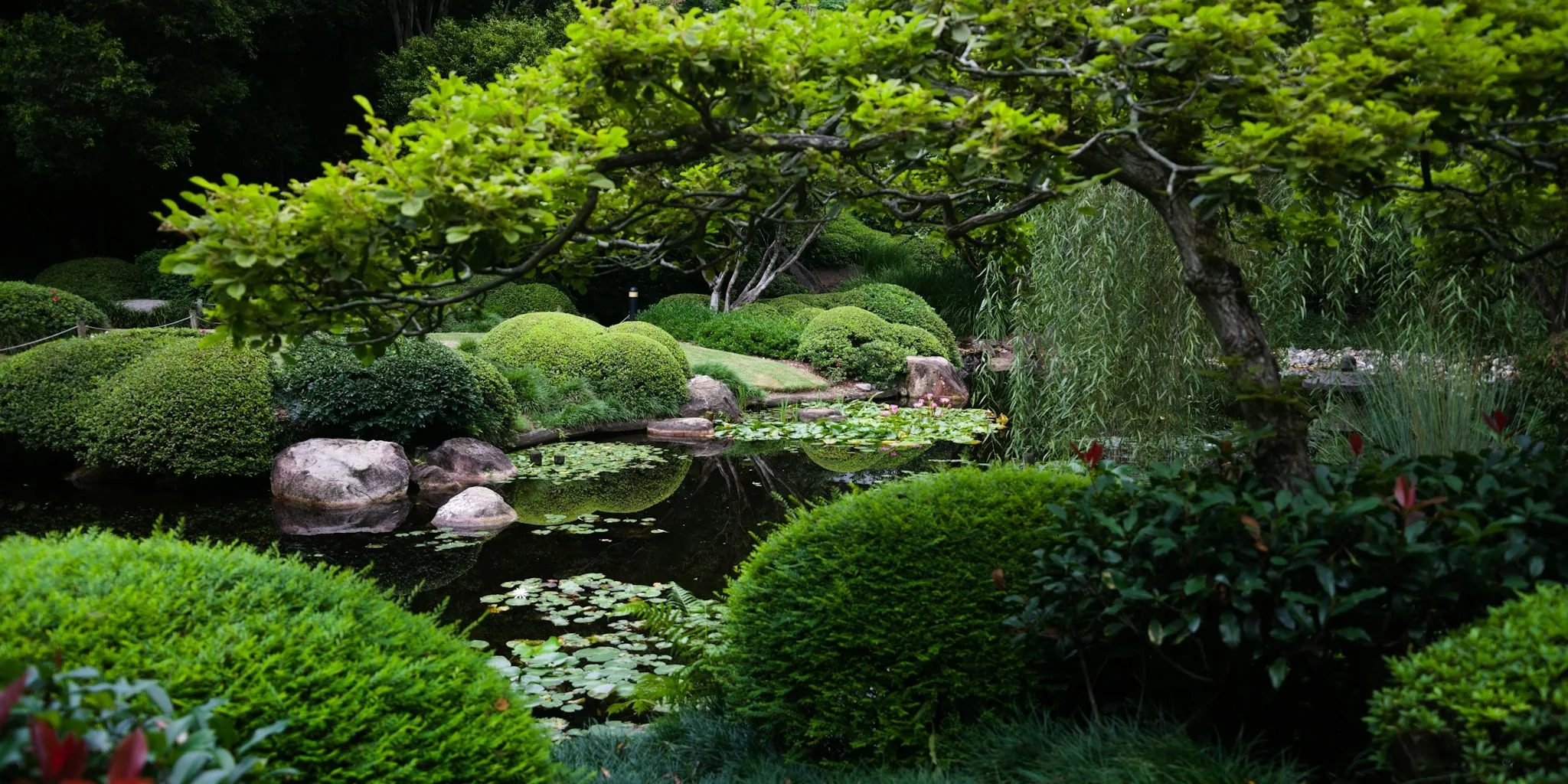

Jennifer Aniston’s Bel Air residence has become a design inspiration for homeowners everywhere, particularly for its stunning Japanese-inspired water features. Her koi pond is the centerpiece that many are trying to replicate, even in compact urban spaces. The good news for shoppers is that creating this sophisticated look doesn’t require unlimited budgets or advanced expertise. With the right planning and materials, you can transform your garden into a serene retreat that rivals celebrity estates.
Start by Asking the Right Questions
Before purchasing any equipment or materials, landscape experts recommend getting clear on what you actually want from a water feature. The most important decision is whether you want to keep fish. This single question determines everything that follows, from pond size and depth to filtration systems and maintenance requirements.
If fish are part of your vision, a proper koi pond is your answer. If you’re drawn to the sound and visual movement without the maintenance commitment of living creatures, a pondless waterfall offers nearly the same appeal. These systems use a buried reservoir under a rock floor that recirculates water continuously, requiring minimal upkeep and fitting into spaces as small as ten by ten feet. You’ll gain the sight and sound of a full water feature without the responsibility of fish care.
Depth and Filtration: Non-Negotiable Elements
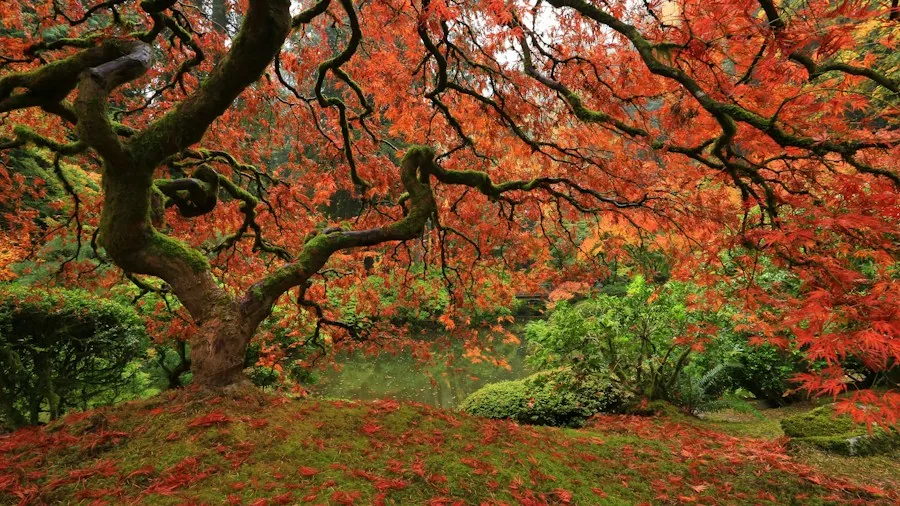
When it comes to koi ponds specifically, two factors cannot be compromised. Koi require a minimum depth of 18 inches, though experts strongly recommend three feet to protect your fish from predators like herons and to maintain stable water temperatures. Shallow ponds heat and cool too rapidly, causing stress to fish and creating conditions that invite algae blooms.
Filtration is equally critical. This is where many first-time pond owners make costly mistakes by cutting corners. A quality filtration system is the foundation of a healthy pond. Industry professionals consistently recommend combined UV and mechanical filter systems, which polish the water and keep your fish visible and thriving. Poor filtration undermines the entire project, so allocate your budget appropriately here.
Making It Work in Small Spaces
Not every gardener has room for a full-scale koi pond, and that’s perfectly acceptable. Creative alternatives include container ponds, raised water features, and even repurposed bathtubs or hot tubs. Raised garden beds and water features can be combined to maximize your outdoor space.
One important caveat: smaller water volumes are less forgiving than larger ponds. Temperature fluctuations happen faster, and water quality can shift quickly, which means container ponds often require more attention and maintenance than you might expect. Plan for regular monitoring and upkeep if you’re working with a limited water volume.
Plant Your Surroundings Strategically
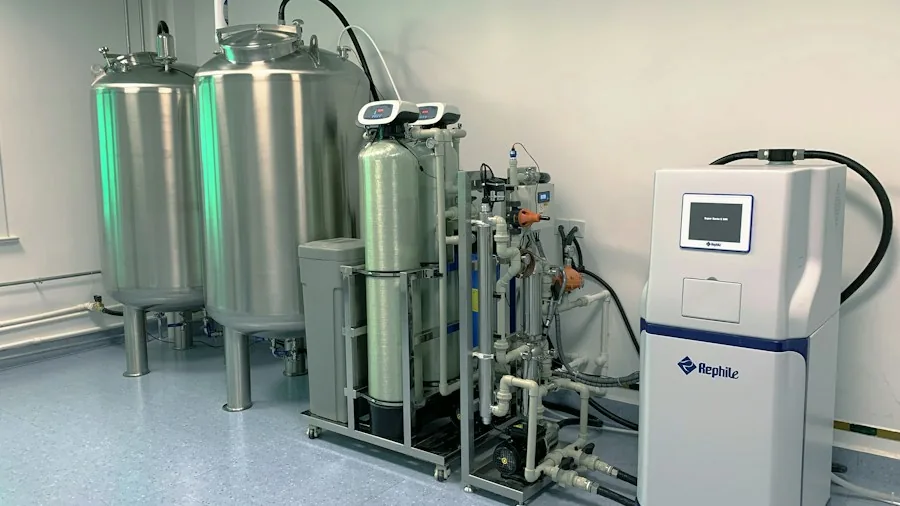
The plants around your water feature are what make it look like a natural part of your garden rather than an afterthought. Marginal plants such as iris and pickerelweed soften the pond edges, while water lilies provide surface shade and help suppress algae. In the surrounding landscape, weeping Japanese maples, catmint, ornamental grasses, and coneflowers create a cohesive Japanese aesthetic.
When selecting plants, proceed carefully with bamboo, as it spreads aggressively and becomes extremely difficult to remove once established. Ferns, Japanese iris, and creeping ground covers are safer choices that deliver visual impact without invasive growth habits. Quality pruning tools will help you maintain these plantings as they mature.
Achieving the Japanese Aesthetic
Jennifer Aniston’s pond succeeds because of its design restraint. An asymmetrical pond shape, carefully selected stones, controlled planting, and a single strong focal point such as a bridge or sculptural rock create the signature look. The secret is knowing when to stop: resist adding multiple fountains or overcrowding your design with plants and decorative elements.
The best water features look like they occurred naturally through erosion rather than appearing freshly installed. Still water, well-placed stone, and a limited plant palette create a complete composition. The engineering should be invisible, allowing visitors to experience the peace and beauty of the space without noticing the technical systems supporting it.
By following these principles and investing in quality filtration and appropriate depth, you’ll be equipped with the right tools and knowledge to create a stunning water feature that brings lasting value to your garden. Whether you’re working with a sprawling backyard or a modest patio, these strategies will help you achieve the serene, sophisticated look you’re after.

Write Your Review
No reviews yet. Be the first to share your experience!