


What Happened
Hyundai has issued a significant safety recall for approximately 47,749 Kona and Kona Electric SUVs due to a seatbelt defect that could compromise passenger safety in a collision. The recall primarily affects 2026 model year Kona vehicles, with a smaller subset of 2025 Kona Electric models also included. According to documents filed with the National Highway Traffic Safety Administration, the rear center seatbelts in these vehicles may fail to properly restrain passengers during a crash, creating a serious safety risk.
The Root Cause
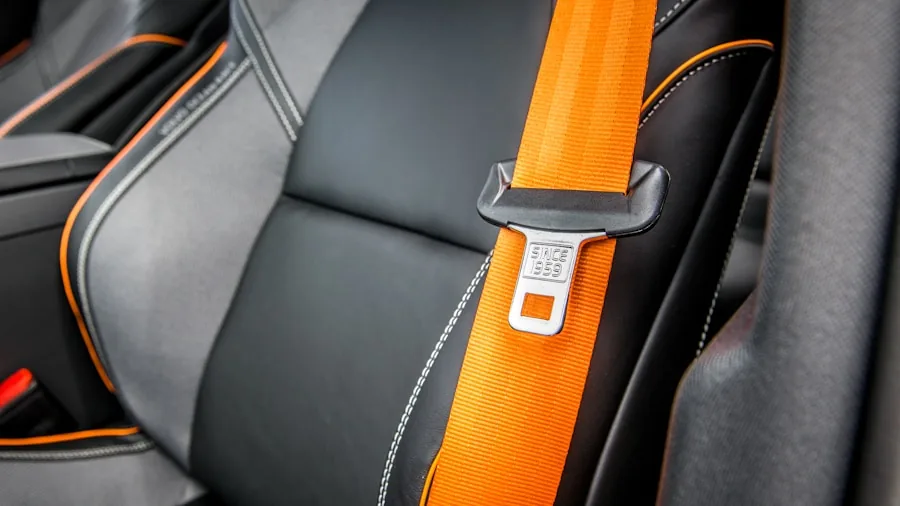
The issue traces back to a manufacturing problem at the supplier level. The faulty seatbelt buckles were produced outside normal specifications due to an improperly maintained stamping die. The equipment used to create the buckles experienced excessive wear from overuse, and insufficient inspection protocols failed to catch the deviation from standard production requirements. This quality control lapse resulted in seatbelts that do not meet safety standards. Hyundai has since implemented improved die maintenance and inspection procedures beginning in January 2026 to prevent similar issues moving forward.
What Buyers Should Do Right Now
If you own a 2025 or 2026 Kona SUV, immediate action is recommended. Hyundai will notify both vehicle owners and authorized dealers by September 11 with specific instructions. Until the repair is completed, owners should avoid using the rear center seat as a precaution. The fix is straightforward: dealership technicians will replace the potentially defective seatbelt buckle with a corrected version at no cost to the owner.
Concerned your vehicle may be affected? You can verify your specific model by visiting the National Highway Traffic Safety Administration website and entering your vehicle identification number. The agency maintains a comprehensive database of all active recalls, making it easy to confirm your status and the timeline for repairs in your area.
What This Means for Shoppers
This recall underscores the importance of understanding safety features when purchasing or maintaining an SUV. Seatbelts remain one of the most critical passive safety systems in any vehicle, and their proper function can mean the difference between serious injury and protection in an accident. For existing Kona owners, this serves as a reminder to stay informed about manufacturer recalls and to address them promptly. Regular vehicle maintenance and awareness of safety recalls are essential parts of responsible vehicle ownership.
For prospective SUV buyers, this situation highlights why researching manufacturer reliability and quality control records matters. While recalls happen across the industry, how a manufacturer responds demonstrates their commitment to customer safety. Hyundai’s proactive notification approach and commitment to free repairs reflect responsible recall management. However, buyers should always review a used vehicle’s recall history before making a purchase and ensure any outstanding recalls have been completed.
Industry Context
Safety recalls are not uncommon in the automotive industry, particularly when manufacturing defects are discovered. The NHTSA oversees these recalls and ensures manufacturers take appropriate corrective action. This particular seatbelt defect is noteworthy because it involves a component directly responsible for occupant protection. Unlike cosmetic or convenience issues, seatbelt failures pose immediate risks to passenger safety and demand quick resolution.
The fact that this defect was caught relatively early in the model year rollout suggests the quality control systems eventually worked as intended. However, the initial failure at the supplier level demonstrates why vehicle manufacturers must maintain rigorous oversight of their supply chains. SUV buyers and owners should remain vigilant about safety recalls and maintain communication with their dealers.
Next Steps for Owners
Mark your calendar for September 11 and watch for official notification from Hyundai. Once you receive the recall notice, schedule an appointment at an authorized dealership at your earliest convenience. The repair typically requires minimal time, and dealers should be able to accommodate appointments quickly as they prepare for the large recall volume. Keep your notice and repair confirmation for your records, as documentation of completed recalls can be important for resale value and warranty purposes.


Write Your Review
No reviews yet. Be the first to share your experience!