

How Intermittent Fasting Affects Your Training Routine
Intermittent fasting has gained traction as a simplified approach to nutrition, with high-profile athletes like NBA star Luka Dončić using it as part of their training regimen. However, shoppers considering this eating pattern should understand how it intersects with their workout routine. Restricting your eating to a limited window each day can deliver real benefits for weight management, but it also requires strategic timing around exercise to maximize results and stay safe.
Understanding Intermittent Fasting Basics

The most widespread form of intermittent fasting follows a 16/8 protocol: you fast for 16 hours and consume all your meals within an 8-hour eating window. For example, someone might eat only between noon and 8 p.m., covering lunch and dinner. The specific timing matters less than maintaining consistency with your chosen window. If morning fuel appeals to you more, a 9 a.m. to 5 p.m. schedule works equally well.
This approach appeals to many because it simplifies meal planning and can reduce mindless snacking. Research suggests intermittent fasting may help with weight loss, lower blood pressure, reduce diabetes risk, and even help preserve muscle mass. Before starting, consult your doctor, as fasting is not suitable for pregnant individuals, those with a history of eating disorders, or people with certain medical conditions.
The Real Challenge: Food Fuels Performance
While intermittent fasting can streamline your nutrition strategy, it complicates workout timing. Your body relies on fuel to perform during exercise, and when you restrict eating to just eight hours daily, your training may suffer. Many people report feeling weak and lethargic during gym sessions when following a strict fasting schedule. This issue becomes especially pronounced if you’re trying to build muscle or maintain athletic performance.
The good news: you can still exercise effectively while fasting. It simply requires matching your workout type and timing to your feeding window strategically.
Lifting Weights Demands Pre-Workout Fuel
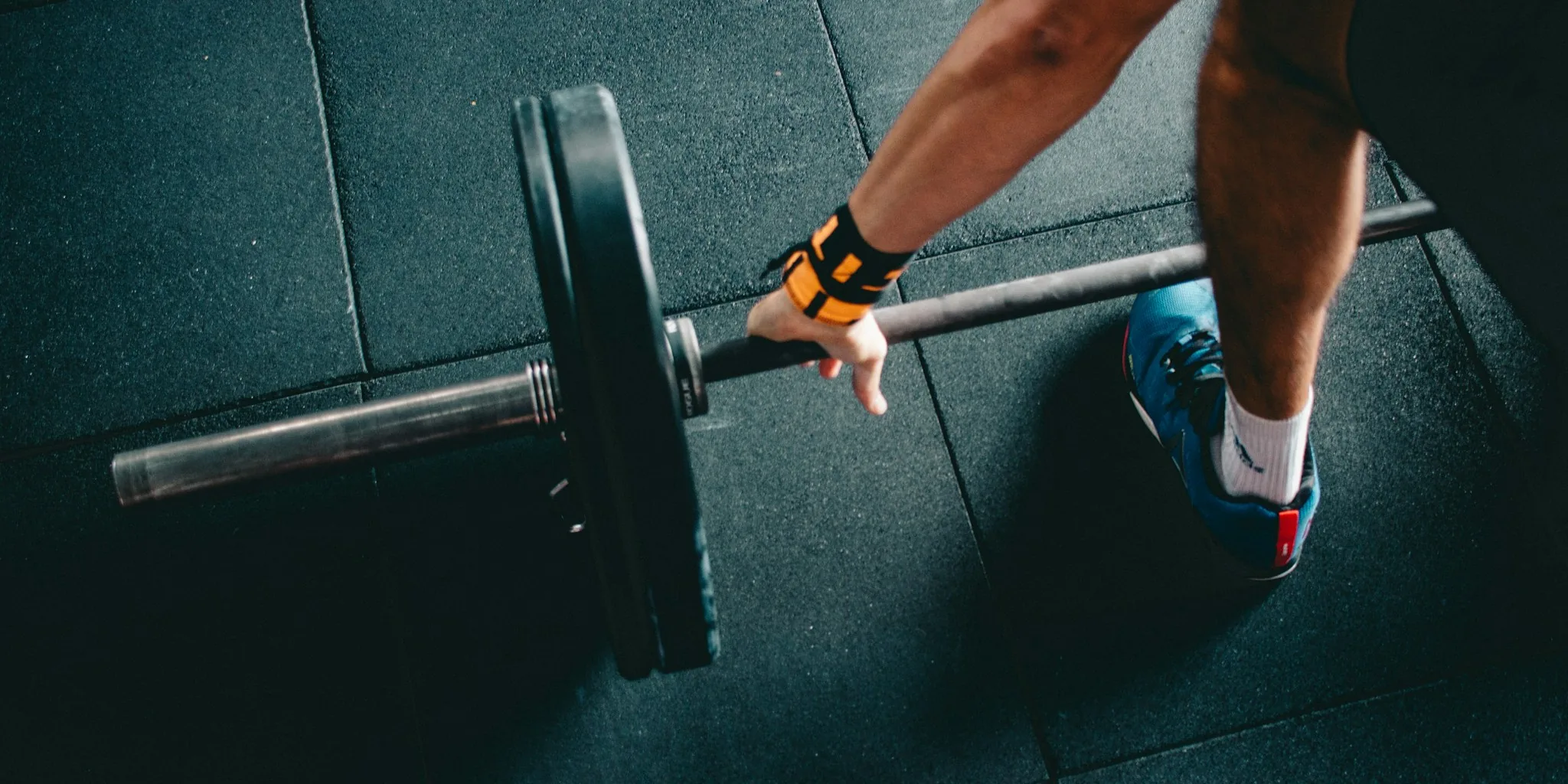
High-intensity activities like weight training, sprinting, and CrossFit depend heavily on carbohydrates for energy. If you perform these activities while fasting or at the end of your fast, your strength and speed will decline rather than improve. To protect your performance and safety, eat before lifting weights.
The timing matters because your body requires energy to generate force and power. Schedule your lifting sessions during your eating window whenever possible. If you’re concerned about muscle loss, sandwich your workout between meals: consume roughly one-third of a balanced meal before heading to the gym, then eat the remaining two-thirds afterward to support recovery and muscle repair. This approach provides immediate fuel while ensuring proper post-workout nutrition within your eating window.
For those trying to lose significant body fat, fasted lifting presents less risk. In this scenario, you’ll still burn fat while preserving muscle if you maintain a consistent lifting routine of 2 to 3 sessions per week, working your entire body each session. Consider checking out a single dumbbell workout program that delivers results in 30 minutes if you’re time-constrained and want efficient training during your eating window.
Cardio Can Happen While Fasting

Unlike weight training, steady-state cardio is safer to perform while fasted because your body taps into fat stores for slow, sustained activity. However, understand the distinction between burning fat and losing fat. Your body may burn fat for fuel during a fasted cardio session, but without a calorie deficit overall, those fat stores simply refill later.
For best results, prioritize lifting during or after your eating window and reserve fasted cardio for before your feeding period begins. This structure protects your strength training performance while still allowing cardiovascular conditioning.
Practical Timing Strategies for Success
The key to safe exercise while intermittent fasting is aligning your workout schedule with your eating window. If your window runs from noon to 8 p.m., aim to train around 5 p.m. so you can fuel up beforehand and recover afterward. If your schedule doesn’t naturally align with this pattern, extend your eating window or shift the start and end times rather than forcing fasted training when it doesn’t work for you.
Always listen to your body. If you feel dizzy or faint during exercise, stop immediately, eat something, and drink water. Carry a small snack in your gym bag as insurance. Proper workout shoes designed for your specific activity can also improve performance and reduce injury risk during training sessions.
Before starting intermittent fasting or changing your workout routine, speak with your doctor or a registered dietitian. They can help you design an approach that matches your health status, fitness goals, and lifestyle. The most effective strategy is one you can sustain consistently over time.






Write Your Review
No reviews yet. Be the first to share your experience!