
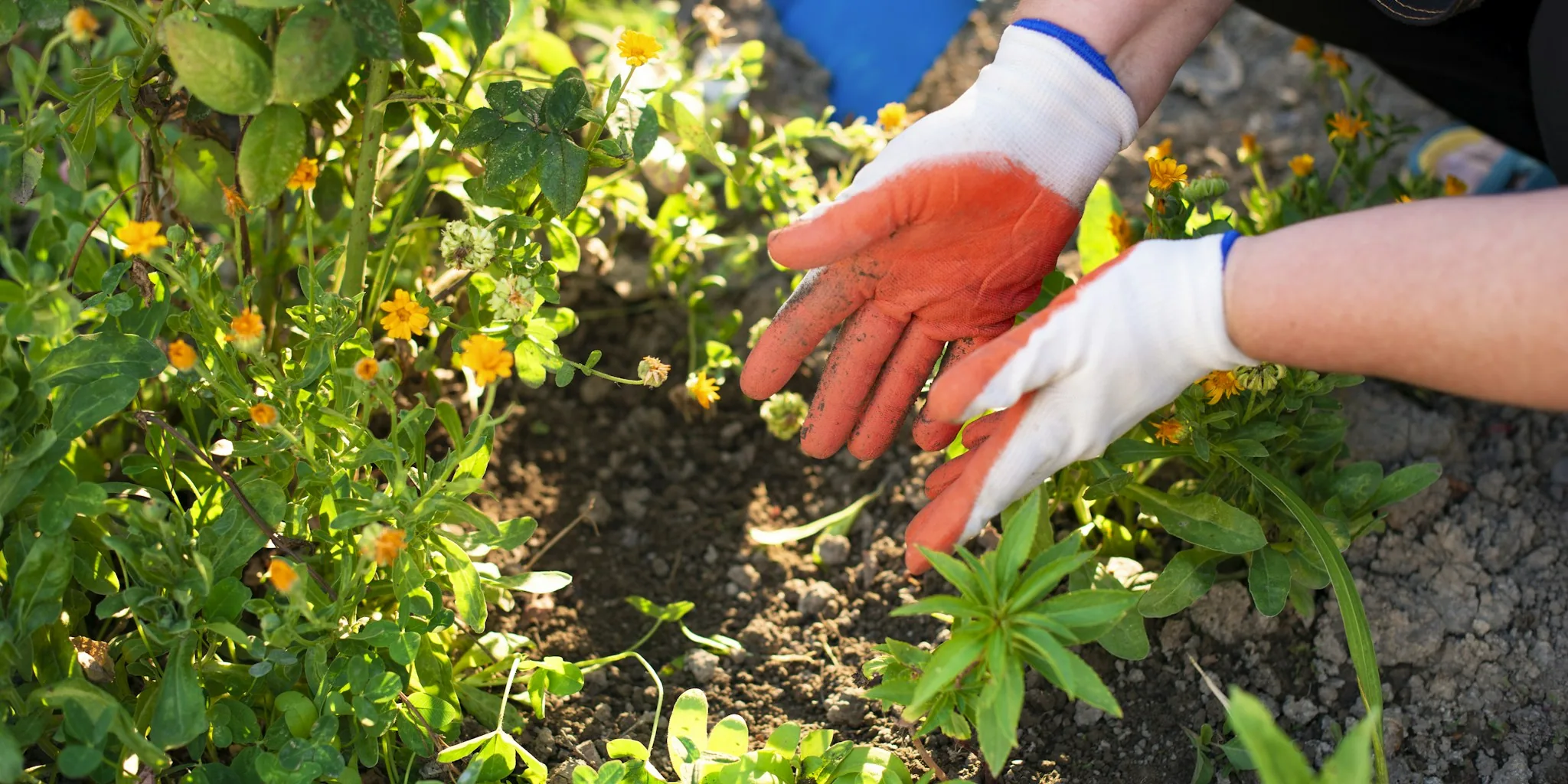

Midsummer fertilizing can make or break your garden. The temptation is strong to keep feeding everything in sight, especially when plants are visibly growing and flowering hard. But July is exactly when many gardeners make costly mistakes by fertilizing the wrong plants at the wrong time. Understanding what your plant is doing right now matters far more than knowing which fertilizer formula to buy.
The July Fertilizing Rule: Timing Over Formula
The guiding principle is straightforward. If a plant is actively producing flowers or fruit, it needs nutrients and will continue asking for them through the growing season. If a plant is shifting toward dormancy, setting buds for next year, or hardening its wood for winter, feeding it now backfires. Late nitrogen pushes tender new growth that frost will destroy come October, undoing months of the plant’s own preparation work.
Many gardeners don’t realize the damage until it shows up too late to fix it. A heavily fertilized plant that should be resting enters a growth phase it cannot sustain. The results may not appear until winter damage shows up, or until next year’s flowering disappoints.
Six Plants Still Worth Feeding in July
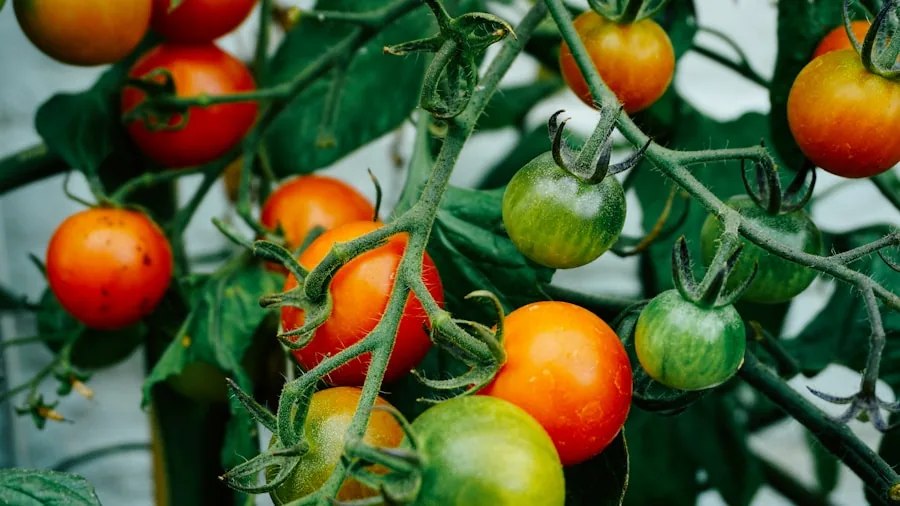
Tomatoes and Peppers
Both tomatoes and peppers run on heavy nutrition through the entire season while actively setting fruit. However, the formula changes once fruit appears. Switch to a blend with lower nitrogen and higher phosphorus and potassium to support fruit development rather than foliage. Feed every two to three weeks. Too much nitrogen shifts the plant’s energy toward leaves, leaving fruit undersized. Calcium supplementation also matters for tomatoes, as a deficiency causes blossom end rot on developing fruit.
Sweet Corn
Unlike fruiting crops, corn needs consistent nitrogen throughout its growth. Side-dress the plants once they reach knee height, then again as tassels emerge. Watch the lower leaves for yellowing along the center vein, which signals that the plant ran short on nitrogen earlier and needs a boost now.
Roses
Roses bloom in flushes and drain their reserves with each one. After each bloom cycle ends, a balanced feeding encourages the next flush to develop. The critical deadline arrives six to eight weeks before your first expected frost. Stop feeding after that point, because any new tender growth emerging so close to winter will be damaged by cold weather.
Container Annuals
Petunias, impatiens, and similar container plants live on borrowed nutrition from their potting soil. By July, whatever was mixed in at planting time has leached away through regular watering. A dilute liquid feed every week or two replaces that nutrition and keeps blooming on track through fall.
Tropical Hibiscus
Tropical hibiscus blooms continuously if fed properly during warm months. The formula matters here more than with most plants. This species prefers extra potassium and phosphorus but performs poorly with standard bloom booster formulas that lean too heavily on phosphorus. Use a hibiscus-specific product every couple of weeks, continuing until the plant comes indoors for winter.
Three Plants to Leave Alone in July
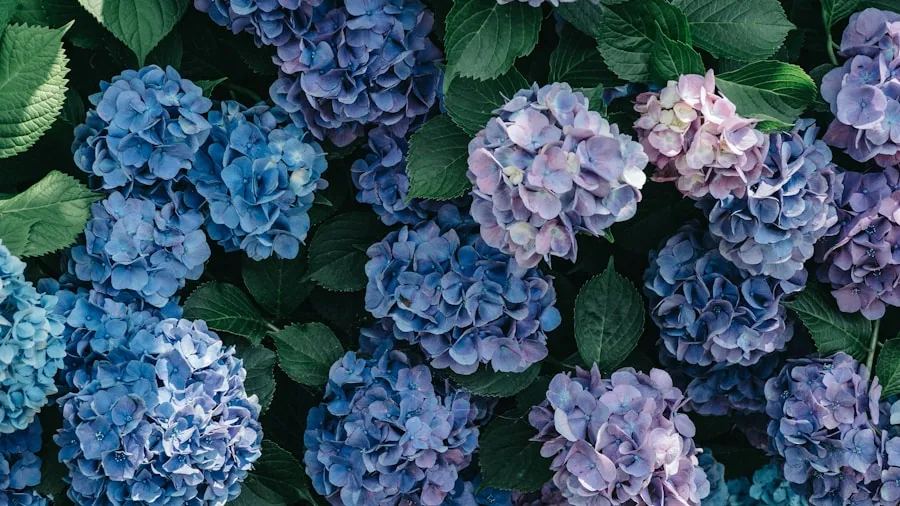
Bigleaf Hydrangea
Right now, bigleaf hydrangea is setting next year’s flower buds. These buds form on wood that must firm up and harden first. Nitrogen fertilizer at this stage produces soft growth instead, which will die back when cold arrives. Watering and mulching are all this plant needs through the rest of summer. Feeding should have stopped by early summer and won’t resume until spring.
Peonies
Peonies finished flowering weeks ago and are now stockpiling energy in their roots for next year’s bloom. Fertilizing at this stage encourages lush foliage that often flops and can actually reduce next year’s bud count. The one feeding they needed happened right after bloom in June. Leave foliage intact so the plant can photosynthesize and build reserves. Perennials like peonies deserve to rest through summer rather than be pushed into new growth.
Garlic
Garlic was planted last fall and is now either swelling its bulbs or preparing for harvest. Nitrogen fertilizer at this stage tells the plant to make leaves when everything should be moving underground, which ruins storage quality of the finished heads. Feeding ends when the flower scapes appear. After that, the plant needs only water, gradually tapered off as harvest approaches.
Why the Difference Matters for Shoppers
Understanding these distinctions saves money and prevents wasted effort. Buying the wrong fertilizer for the wrong plant is wasteful. More importantly, fertilizing at the wrong time can damage plants that would otherwise thrive. When selecting plants for your garden, consider their peak feeding periods and your willingness to follow a schedule. Garden designs that rely on plants with similar needs make maintenance easier and more successful.
July is when gardens quietly succeed or struggle based on decisions made this month. Resist the impulse to feed everything, and instead feed only what is actively working to produce. Your fall harvest and next year’s blooms will reflect that choice.

Write Your Review
No reviews yet. Be the first to share your experience!