
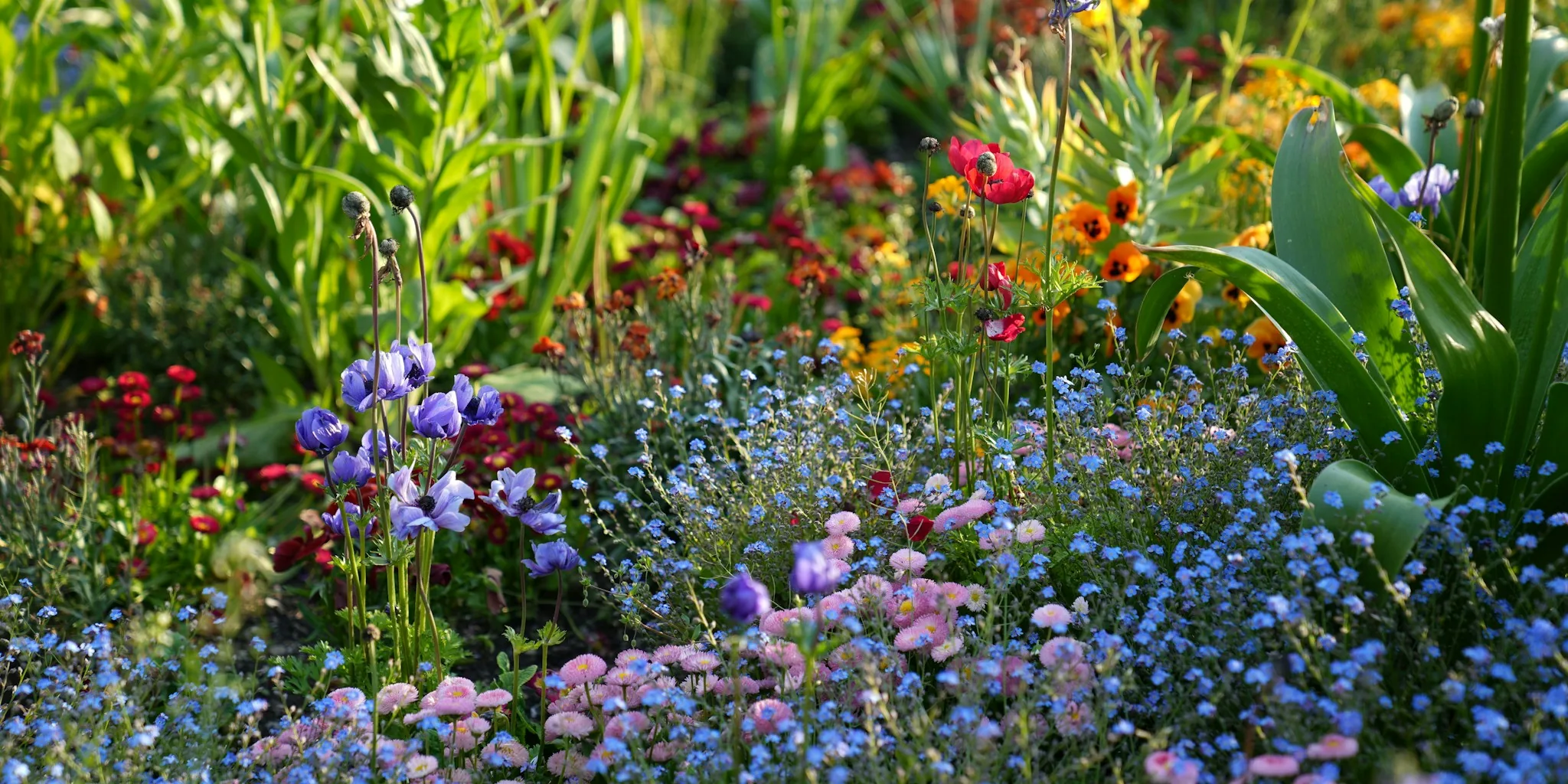

If you’ve been waiting for the perfect moment to refresh your garden beds, July represents a critical window of opportunity. While spring traditionally dominates the planting calendar, summer actually offers an excellent chance to establish certain heat-loving perennials that thrive in warm conditions. For homeowners looking to add late-season color or fill existing gaps, understanding which plants can handle midsummer installation makes all the difference between success and disappointment.
Why July Works for Specific Perennials
Most gardeners assume spring is the only viable planting season, but July opens doors to a specialized group of perennials. These plants naturally tolerate extreme heat and actually develop stronger root systems when temperatures soar. Establishing them now means you’ll enjoy vibrant blooms stretching well into fall, long after typical summer flowers have faded. The key is choosing varieties bred for heat resilience and providing them with extra attention during their critical establishment phase.
Top 8 Heat Tolerant Perennials for July Planting
Coneflower (Echinacea)
Coneflowers rank among the most reliable July plantings because they excel in summer conditions. Also called echinacea, these native perennials flower continuously from summer through late fall. Beyond the classic purple variety, modern cultivars now come in red, orange, yellow, white, and pink. Hardy across zones 3 through 9, they demand full sun and well-draining soil. Their extended bloom window makes them invaluable for maintaining visual interest as other plants decline.
Black Eyed Susan (Rudbeckia)
Another native option, black eyed Susan tolerates July heat exceptionally well. These cheerful golden yellow flowers with dark centers bloom from July straight through October in many regions. Like coneflowers, they thrive in full sun and well-draining conditions across zones 3 through 9. A practical tip: deadhead spent flowers to encourage continuous blooming, but allow some to develop seeds for birds.
Stonecrop (Sedum)
Sedum represents an entirely different plant category, succulent perennials that laugh at summer drought stress. These low-maintenance plants require minimal care, even less fertilizer, and excel in poor, sandy, or rocky soil. The ‘Autumn Joy’ variety starts with light pink flowers that deepen to rich red in fall, persisting well into winter. Their ability to establish quickly in heat makes them perfect for July installation.
Aster
Asters form a massive family of daisy-like flowers in blue, pink, purple, and white shades. These late bloomers attract pollinators when few other flowers remain available. Hardy in zones 3 through 8, they prefer full sun or partial shade and perform best in fertile, consistently moist, well-draining soil. Pinching stems back encourages bushier growth and prevents the leggy appearance some varieties develop.
Blanket Flower
Blanket flower’s distinctive rings of red, yellow, and orange make it instantly recognizable and exceptionally appealing to pollinators. This native midsummer introduction adapts remarkably well to drought conditions, even flowering during water restrictions. Plant in full sun with well-draining soil and water regularly during establishment. Deadheading spent blooms extends flowering through fall.
Sneezeweed
Despite its unflattering common name, sneezeweed causes no allergic reactions. This native wildflower traditionally displays yellow flowers, though modern varieties offer red, orange, and multicolored blooms matching autumn tones. It establishes readily even in peak summer heat, providing instant color from July through fall. Sneezeweed grows in zones 3 through 8 but requires consistent moisture, so regular watering matters during the establishment window.
Russian Sage
Russian sage brings a completely different aesthetic with silvery foliage and abundant light blue or purple flowers. Though not native to North America, it’s hardy in zones 5 through 9 and supports pollinators without invasive tendencies. This plant tolerates heat exceptionally well and establishes strong roots in midsummer conditions. Full sun and excellent drainage are non negotiable, but even rocky or dry soil works.
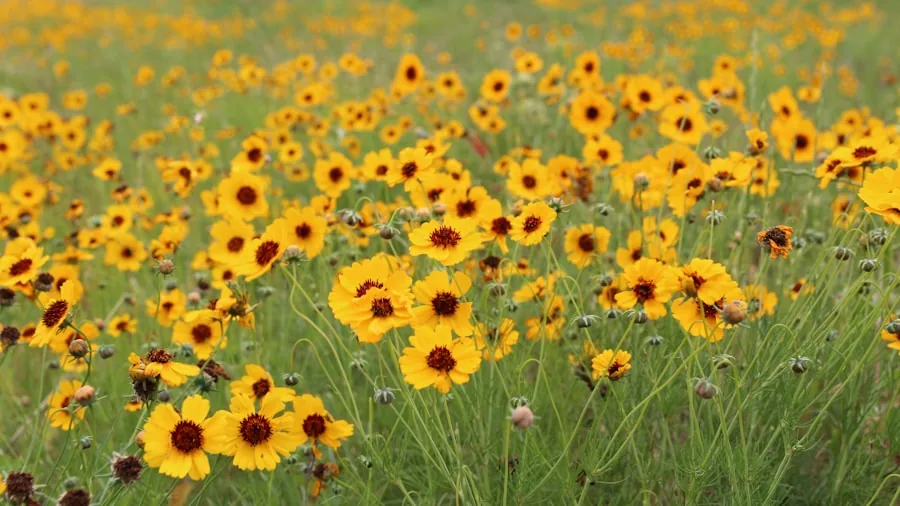
Coreopsis (Tickseed)
Coreopsis grows rapidly in summer heat, developing strong roots and flowering almost immediately. The extended hardiness range of zones 2 through 11 means nearly every climate supports this native perennial. While yellow predominates, red and pink varieties exist. These plants bloom continuously through summer and fall, remain drought tolerant once established, and reward deadheading with increased flowering. Propagating existing plants in July can expand your color palette without purchasing new specimens.
Essential Care Tips for July Planted Perennials
July planting introduces specific challenges requiring adjusted care strategies compared to spring installation. Plant during cooler hours, ideally on overcast days or in early morning and evening when temperatures remain moderate. This timing reduces transplant shock and helps new plants establish before peak heat arrives.
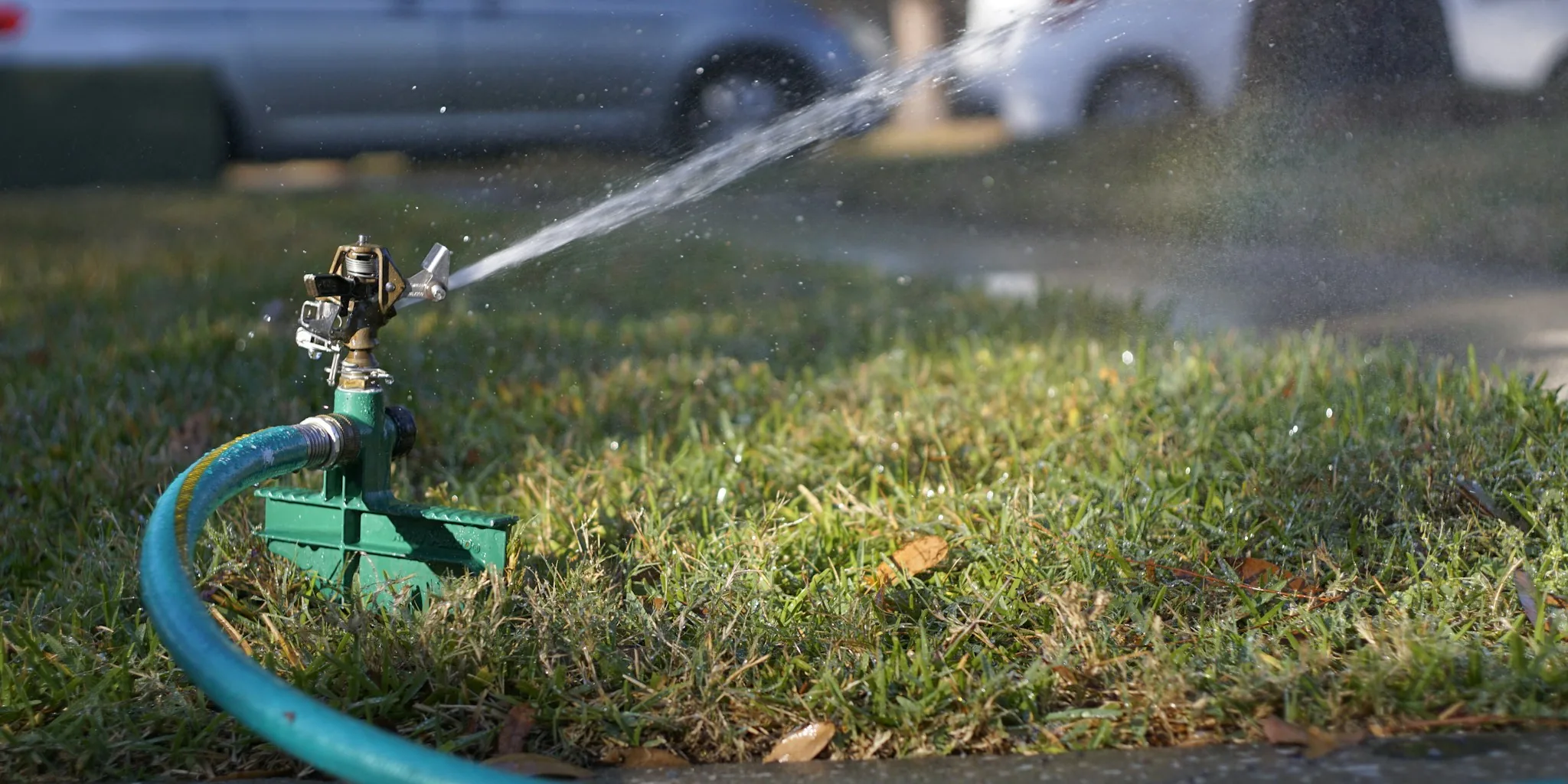
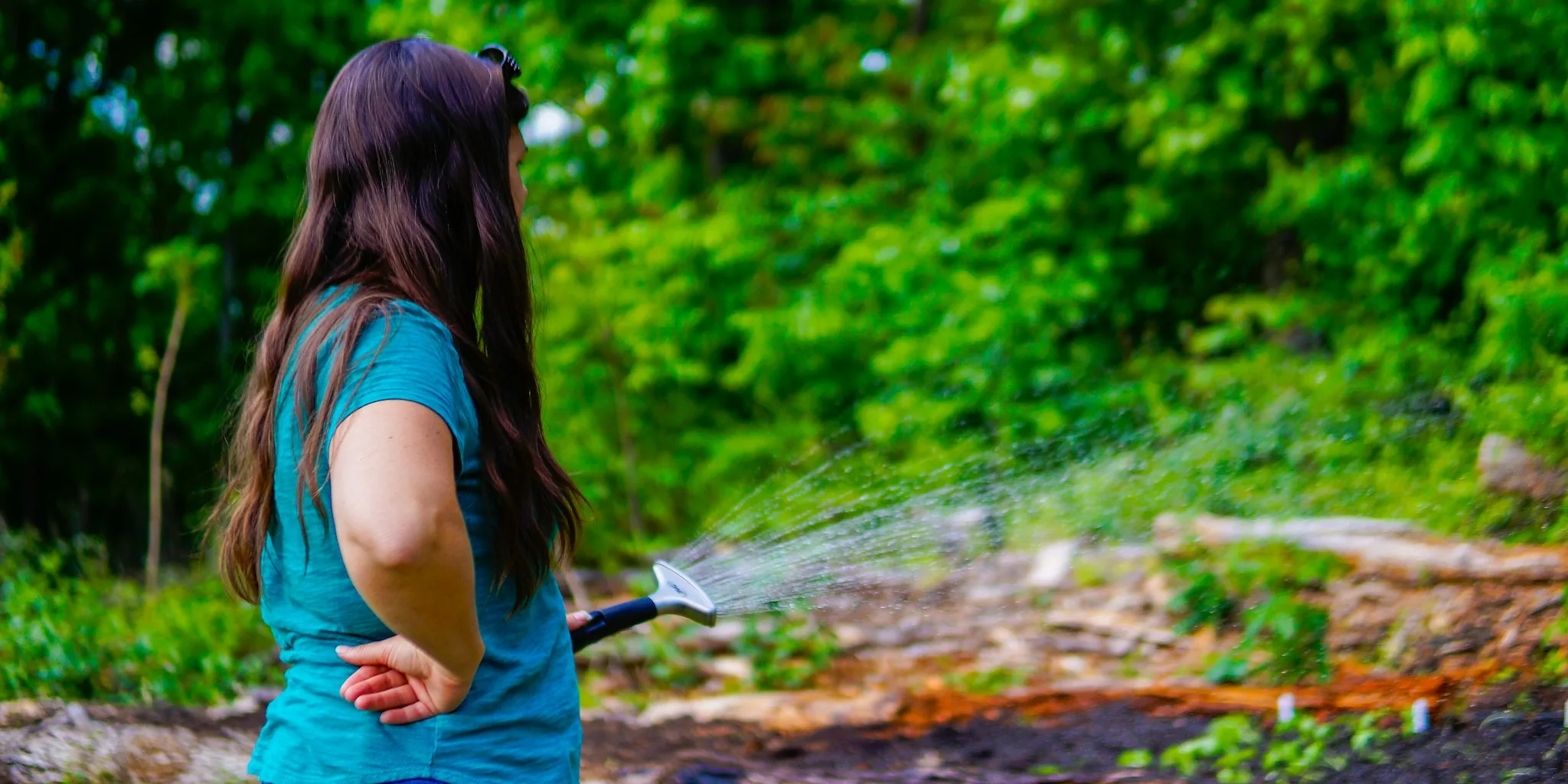
Water consistency matters far more than the standard one inch per week guideline. New summer plantings need deeper, more frequent watering to combat heat stress and encourage deep root development. Add a generous mulch layer around new plants to regulate soil temperature, retain moisture, and suppress weeds. Quality garden hoses make regular deep watering efficient and manageable throughout the establishment period.
With proper planning and attention, July planted perennials flourish, rewarding your efforts with fall color and pollinator support when your garden needs them most. These heat adapted selections represent your best chance for successful midsummer planting, transforming bare spaces and refreshing tired garden beds before autumn arrives.

Write Your Review
No reviews yet. Be the first to share your experience!