

If you are building a home fitness setup, few tools are as adaptable as the kettlebell. Whether you want to press, row, squat, or perform explosive movements like swings and cleans, a single cast-iron weight with a handle can deliver a full-body workout in a compact footprint. The challenge for most shoppers is figuring out which size to buy first.
The right kettlebell weight depends on three main factors: your training experience, your strength level, and what you are trying to achieve. Getting this decision right means you will use the equipment consistently and see real progress, while choosing wrong can lead to frustration and wasted money.
Kettlebell Sizes for Beginners
If you are new to kettlebell training, experts recommend starting with a 12 to 20 kilogram kettlebell, which translates to 26 to 44 pounds. A 12 kg (26 lb) bell is challenging enough for pressing and rowing movements, the two foundational upper-body exercises. For swings, this weight may feel light, but the focus should be on executing proper movement patterns with speed and control rather than fighting a heavier load.
A useful rule of thumb: take the dumbbell weight you can lift overhead and subtract 5 to 10 pounds. That range approximates your kettlebell capacity. The different weight distribution of a kettlebell, with its center of gravity farther from your hand, makes these tools feel heavier than dumbbells of the same poundage.
Building Muscle: The Right Kettlebell Weight
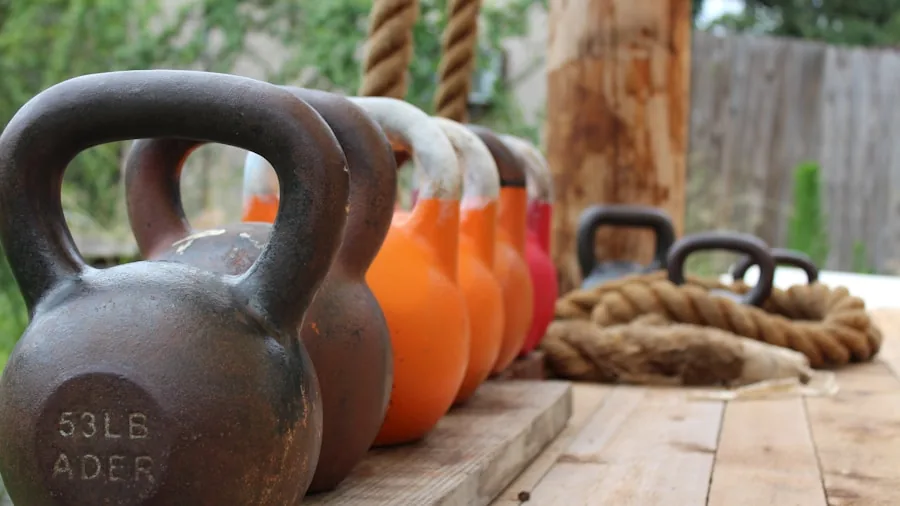
Muscle growth requires performing 6 to 12 repetitions per set, but here is the catch: the weight suitable for 12 overhead presses differs from what you need for 12 squats or rows. Experts recommend choosing a kettlebell that matches your weakest compound movement, which for most people is the overhead press. If you can press a 35 pound kettlebell for 8 to 12 reps, that is your target weight.
A 16 kilogram (35 pound) kettlebell works well for muscle-building routines across swings, cleans, and snatches. You may need to increase reps for lower-body work, but muscle growth still occurs at higher rep ranges when you push each set close to failure. Consider also that fitness competitions are booming, which has driven innovation in adjustable kettlebells that let you change weight without buying multiple pieces.
Strength Training: Weight and Rep Range
Strength training emphasizes lower reps, typically 3 to 6 per set. Select a kettlebell weight based on the exercise where you are weakest and plan to train frequently. For a general benchmark, choose a kettlebell weighing roughly one quarter of your body weight. This load will challenge you on lower-body goblet movements and deadlifts while pushing your limits on upper-body presses.
Power Output: Lighter, Faster, Explosive
Power is developed through rapid, explosive movements and is often overlooked in standard gym routines. Power training uses sets of 2 to 3 reps performed as fast as possible, with rest between sets to maintain speed on every rep. Select a weight around 50 percent of what you would normally lift for the same rep range. A kettlebell between 12 and 32 kilograms suits most power-training goals.
As your fitness progresses and zone 2 cardio reshapes your training approach, your kettlebell strategy may evolve as well.
Key Features to Evaluate When Buying
Not all kettlebells are created equal. When comparing options, look for these qualities:
- Handle diameter: Handles typically range from 30 to 40 millimeters. As kettlebells get heavier, handles grow thicker, which can limit grip comfort. Competition kettlebells cost more but maintain consistent handle size across all weights.
- Construction: Gravity-cast kettlebells are forged as single pieces and are more durable than models with welded handles, though welded handles rarely fail in practice.
- Coating: Powder-coated finishes are the most durable and grip chalk best, improving your hold during intense sessions. Rubber and raw steel coatings work but do not last as long under heavy use.
Research reviews and purchase from established fitness equipment manufacturers rather than big-box retailers for quality assurance and better long-term performance.
Should You Buy Two Kettlebells?
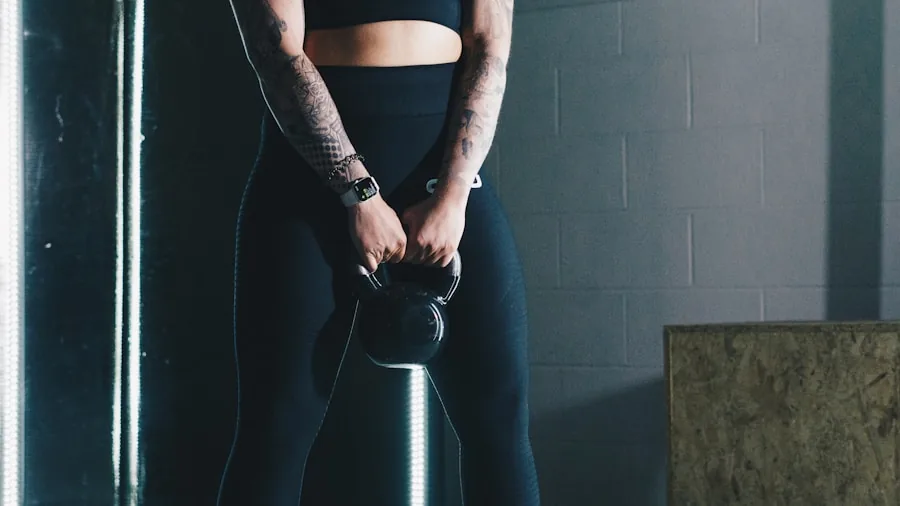
If your budget allows, buying a pair of matching kettlebells dramatically expands your training options. Two 26 pound kettlebells, for instance, let you perform bilateral squats holding 52 pounds total, something impossible with a single bell. Pairs also reduce limitations imposed by your weakest lift, since you are no longer restricted by single-movement strength. Most serious home gym builders invest in at least two kettlebells of the same weight.
The Takeaway for Buyers
Select your first kettlebell based on your current strength and primary goal. Beginners should start with 12 to 20 kg. Those focused on muscle gain should match their overhead press strength, typically 16 kg. Strength athletes should aim for one quarter of body weight. Once you understand these guidelines and evaluate handle quality, coating durability, and construction, you will own a tool that works for true fitness demands across strength, power, and conditioning.




Write Your Review
No reviews yet. Be the first to share your experience!