
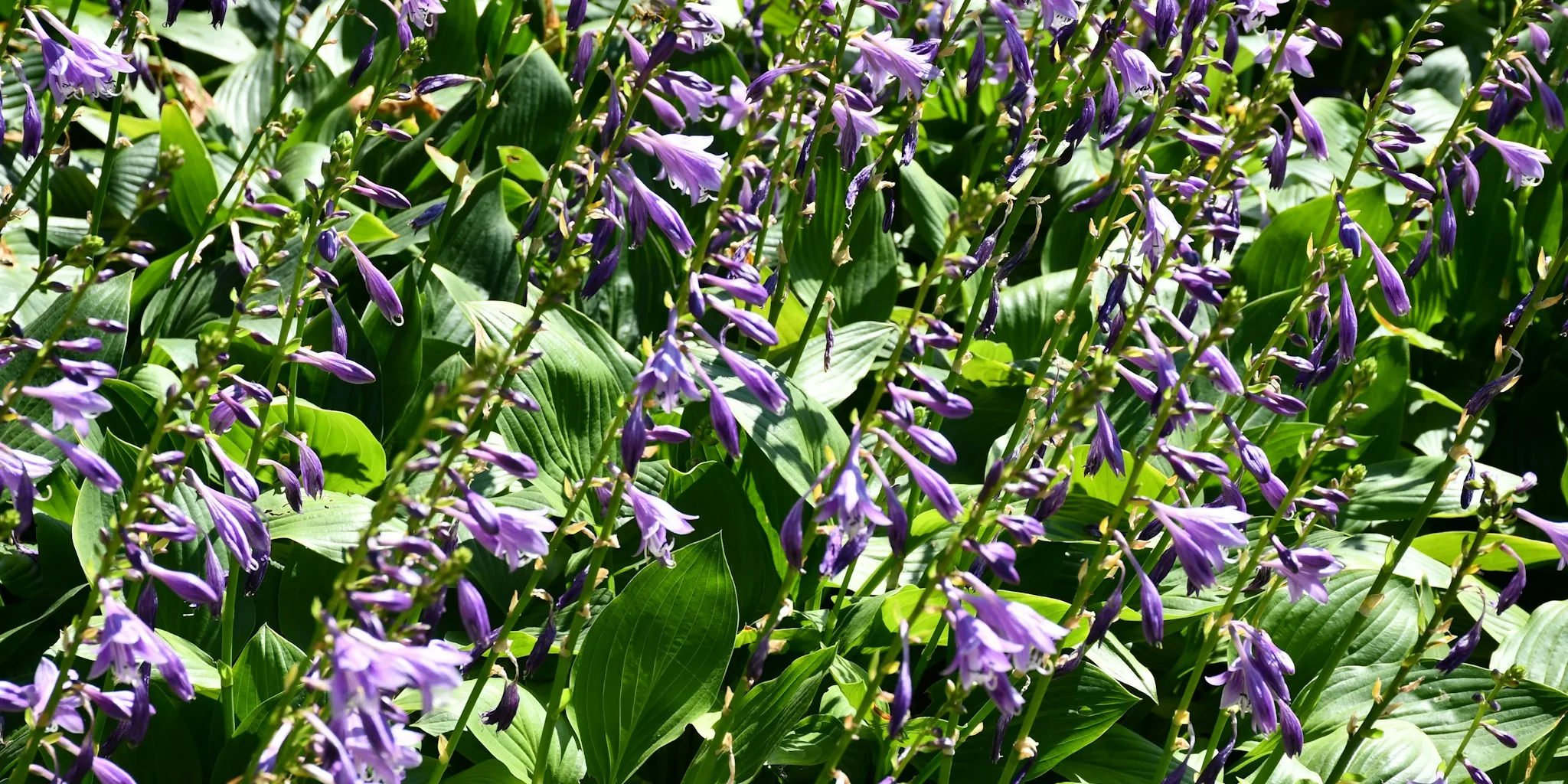

If you’ve ever bought a stunning purple plant hoping to brighten a shady corner of your garden, only to watch it disappear into the shadows, you’re not alone. Gardeners across the country are discovering that those jewel-toned purple heuchera, lavender salvias, and amethyst coral bells don’t perform as expected in low-light conditions. Understanding why this happens and knowing which alternatives truly work can save you money and frustration at the plant nursery.
Why Purple Plants Disappear in the Shade
The science behind this common gardening disappointment is straightforward. Our eyes perceive color through light reflection. Purple and other dark hues absorb significant amounts of light while reflecting very little back. In bright, sunny conditions, this works fine. But in a shady corner, there simply isn’t enough light bouncing off those deep tones for your eye to register them properly. The result is a flat, muddy appearance that fails to create the visual impact you expected.
The problem gets worse as available light decreases. Low-light conditions make it harder for your eyes to distinguish cool wavelengths like deep blues and violets. Dark cobalt flowers and burgundy foliage that would pop in full sun simply blend into the background shadows.
There’s another biological reason purple plants underperform in shade: they actually change color. Purple and burgundy plants get their pigmentation from anthocyanin, a compound that also functions like natural sunscreen against intense light. When these plants are grown in shade, they produce less anthocyanin because they don’t need the protection. The result is a duller or even greenish tone that defeats the original purpose of selecting them.
Additionally, many popular purple-flowering perennials like lavender and salvia are sun-worshippers that naturally prefer lean, well-draining soil. When planted in cool, damp shade, these plants face a double challenge. Not only do their blooms become nearly invisible, but their roots also become vulnerable to fungal diseases and crown rot from the moist conditions that typically accompany shaded areas.
Not All Purples Fail Equally
Before you abandon all purple plants, understand that light quality matters tremendously. In deep, evergreen shade, almost any dark color vanishes completely. However, in soft, dappled woodland light with some flickering sunbeams, warmer purples with pink and red undertones, such as winter-blooming cyclamen, can actually glow. Cold, deep blue-purples like dark monkshood lack those luminous undertones and disappear into shadow.
Bloom structure also plays a significant role. Large, broad petals act like light scoops and catch ambient light more effectively than tiny, delicate flowers. Even better are purple blooms with natural reflective markings. Hardy geraniums like Rozanne feature electric violet-blue petals with pale eyes that act as tiny reflector dishes, helping them shine even in lower light.
If you love moody plum foliage, you don’t have to abandon the idea entirely. Dark foliage favorites like Heuchera ‘Plum Pudding’ succeed when paired with paler, light-reflecting companions that create high-contrast displays rather than fighting the shadows alone.
The Best Colors for Shade Gardens
If deep purples absorb light like a visual sponge, chartreuse and lime green work like highlighters. Yellow-green foliage catches even minimal ambient light and seems to glow from within. Golden Japanese forest grass under a dark tree canopy or evergreen shrubs with acid-green tones bring electric energy to shaded spaces throughout the growing season.
Silver and white variegation also function as built-in mirrors for garden beds. Plants with metallic or frosty overlays bounce light back to your eyes more effectively. The silvery-splashed foliage of pulmonaria (lungwort) and the icy leaves of Brunnera Jack Frost brighten dark paths as effectively as landscape lighting.
For flowering plants in shade, the rule is simple: choose pale and luminous options. Icy whites, soft creams, pale golds, and bright baby pinks stand out brilliantly against dark soil and shadowy tree trunks. Yellow barrenwort blooms and soft pink columbine bells create visual impact that deep purple flowers simply cannot achieve.
Five Shade-Loving Plant Champions
Instead of fighting with purple plants, consider these reliable performers. Hostas offer broad, sculptural leaves that catch available light like solar panels. Chartreuse varieties like Rainforest Sunrise and variegated types like Patriot with creamy white margins transform gloomy corners. Even pale blue hostas like Halcyon thrive in partial shade thanks to their powdery, waxy coating.
Astilbe introduces light, feathery elegance through cloud-like plumes composed of hundreds of tiny flowers that scatter light across borders. Pale cultivars like Bridal Veil work as visual softeners, while even crimson options carry enough warm undertones to glow under dappled canopy. For best results, maintain consistent soil moisture to encourage fuller growth.
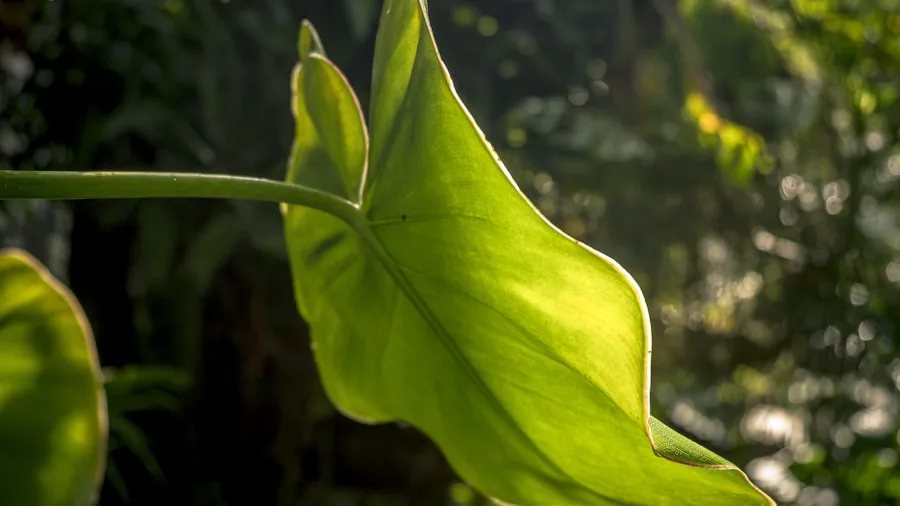
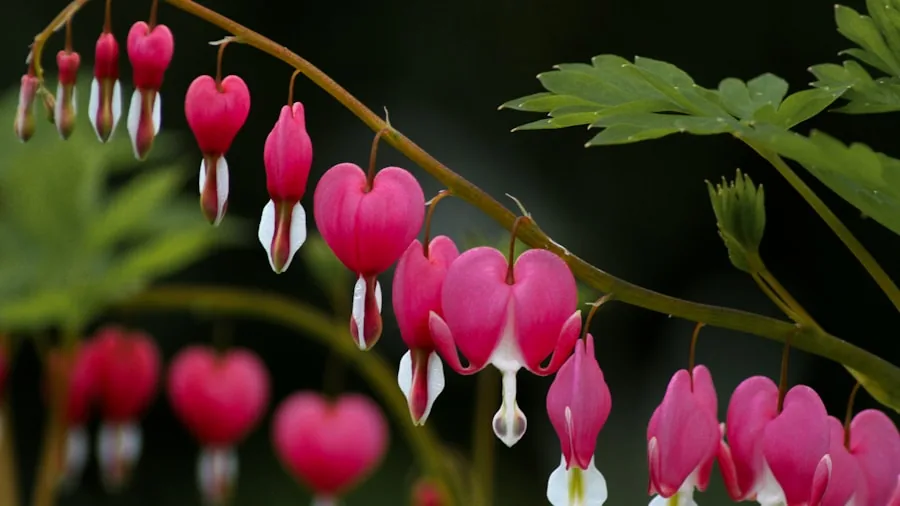
Caladiums produce heart-shaped leaves that act like stained-glass windows in dappled light. White varieties with dark green veins and pink-flushed types reflect light beautifully. Japanese Painted Fern brings metallic brilliance with frosted pewter and shimmering silver fronds. Finally, bleeding hearts offer delicate, heart-shaped spring blooms in rose-pink, white, or pure Alba that glow like tiny lanterns in partial shade, especially when paired with proper seasonal feeding.
Before your next plant purchase, assess your actual light conditions and select varieties that will truly perform in your garden’s specific shade environment. This simple step saves money, reduces plant failure, and creates the luminous, high-contrast shaded sanctuary you originally envisioned.




Write Your Review
No reviews yet. Be the first to share your experience!