
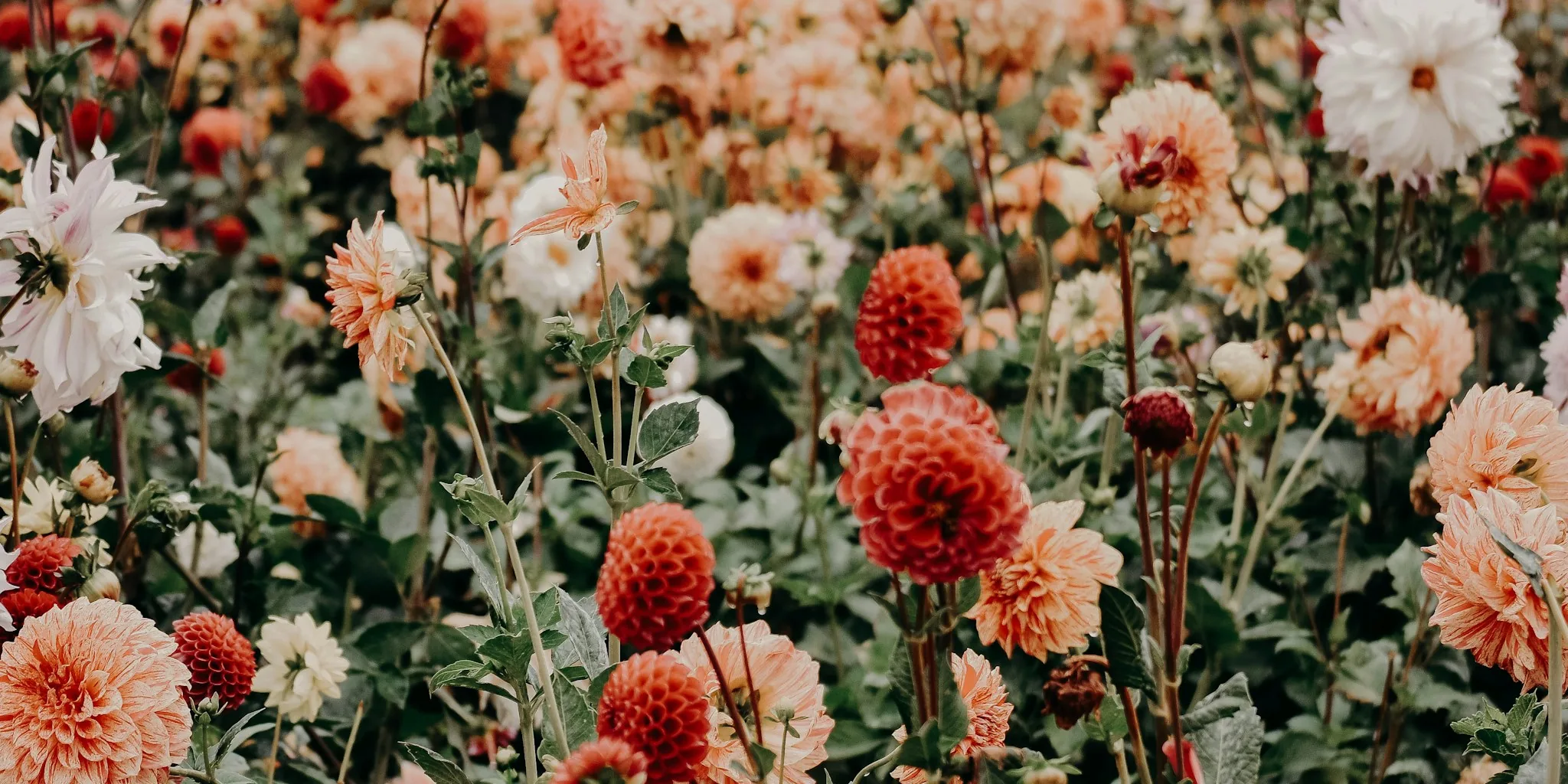

Creating a thriving garden doesn’t require spending every weekend on your hands and knees. By making strategic plant choices and applying a few horticultural shortcuts grounded in research, you can enjoy abundant blooms while cutting maintenance time significantly. Here are four proven techniques to build a garden that practically runs itself.
Use Groundcover Plants to Suppress Weeds and Retain Moisture
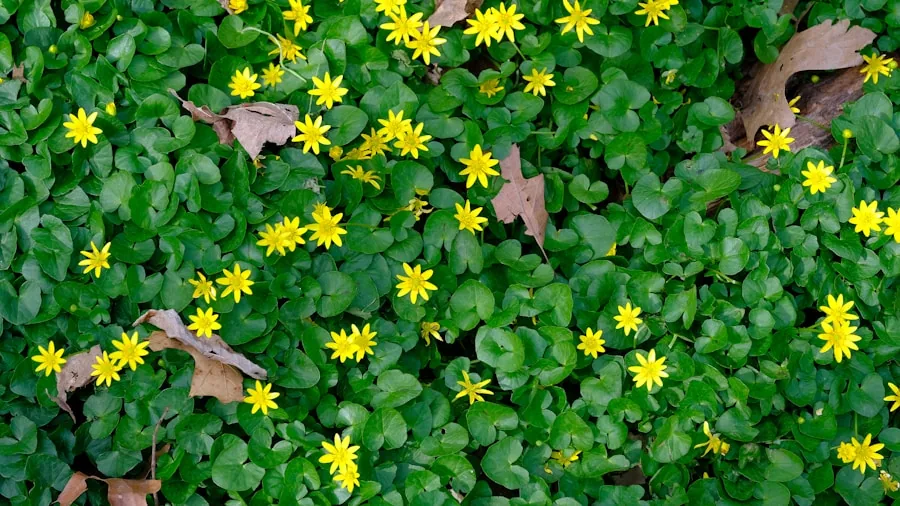
If you’re not incorporating groundcover plants into your borders, you’re missing a powerful time saver. Easy growing varieties that thrive on neglect eliminate extra work while delivering multiple benefits. Once established, groundcover plants suppress weeds effectively and act as a living mulch that locks soil moisture in place, reducing watering frequency.
Flowering groundcover options extend your blooms across multiple seasons. Creeping phlox combines practical weed suppression with charming fragrance and persistent growth. Sedum varieties like ‘Angelina’ require virtually no water once established and stay attractive year round. Both are budget friendly since most groundcover spreads naturally and can be divided into new plants or grown from seed each spring.
These plants don’t need to be expensive to implement. You can propagate existing varieties or source affordable seed options to fill your space affordably while reducing maintenance demands.
Choose Sterile Hybrid Plants That Bloom Continuously
Most flowering plants stop blooming after setting seed because their biological job is complete. Sterile hybrid plants, created by crossing two different species, cannot produce seeds. Without that genetic signal to stop, these varieties keep flowering continuously without deadheading.
Modern lantana cultivars including ‘Lemon Drop’, ‘Miss Huff’, and ‘New Gold’ exemplify this advantage. Angelonia, sometimes called summer snapdragons, performs the same way. Geranium ‘Rozanne’ produces violet blooms that weave through other perennials for months, while Gaura lindheimeri ‘Whirling Butterflies’ (recently reclassified as Oenothera) creates waves of flowers on tall, airy stems. Lavender ‘Grosso’ offers extended bloom plus fragrant flower heads suitable for crafting.
Beyond constant flowering, sterile plants eliminate another maintenance burden: unwanted seedling cleanup. Since they cannot produce viable seeds, you won’t spend spring pulling volunteer plants from your beds.
Add Self Seeding Flowers That Fill Gaps Naturally
Self seeding plants offer the opposite strategy but serve the same purpose. The secret is selecting varieties that require light to germinate. This natural limitation means seeds only sprout in bare spots where there’s room, and they fill gaps quietly without overwhelming your borders.
Cosmos, columbine, and love in a mist thread naturally through low maintenance borders, slipping between established perennials. The amount you get varies with weather since different plants thrive in different seasons. You can tip the odds in your favor by collecting a few seedheads in late summer and shaking them where you’d like increased coverage. Combined with quality garden hoses for targeted watering, these self seeders handle their own propagation while you enjoy the show.
Separate Plants by Water Needs for Efficient Irrigation

Growing drought tolerant and moisture loving plants side by side creates constant watering frustration. Some varieties wilt from insufficient water while others develop yellow leaves from overwatering in the same area. The solution separates borders into drought tolerant zones and consistent moisture zones, eliminating unnecessary watering.
This approach matters beyond conservation. Giving plants their preferred moisture levels helps them thrive rather than merely survive, translating to more abundant, longer lasting flowers. Train deep drinking plants toward greater drought tolerance by watering thoroughly then allowing the soil to dry between sessions. This encourages roots to grow downward where they access deeper water reserves. Daily light sprinkling keeps roots shallow and vulnerable, while less frequent deep watering creates resilience.
Reduce Lawn Maintenance with Mulching Mowing
Since lawn grass typically demands more maintenance than any other garden plant, reducing mowing time buys you hours to enjoy your flower filled borders. One simple strategy: leave mower clippings in place as mulch rather than collecting them.
Grass blade tips contain nitrogen that fertilizes your lawn naturally while clippings break down and lock in soil moisture. To succeed, mow when grass is dry so clippings don’t clump, and maintain regular schedules to keep clippings short. Robot mowers operate on this principle entirely, and midsummer offers excellent timing to purchase them since manufacturers often discount current models after the peak season ends.
For larger yards, raised garden beds can reduce the total lawn area needing maintenance while providing dedicated planting space. Combine these structural improvements with smart plant selection, and your garden becomes a blooming oasis requiring a fraction of the traditional effort.




Write Your Review
No reviews yet. Be the first to share your experience!