
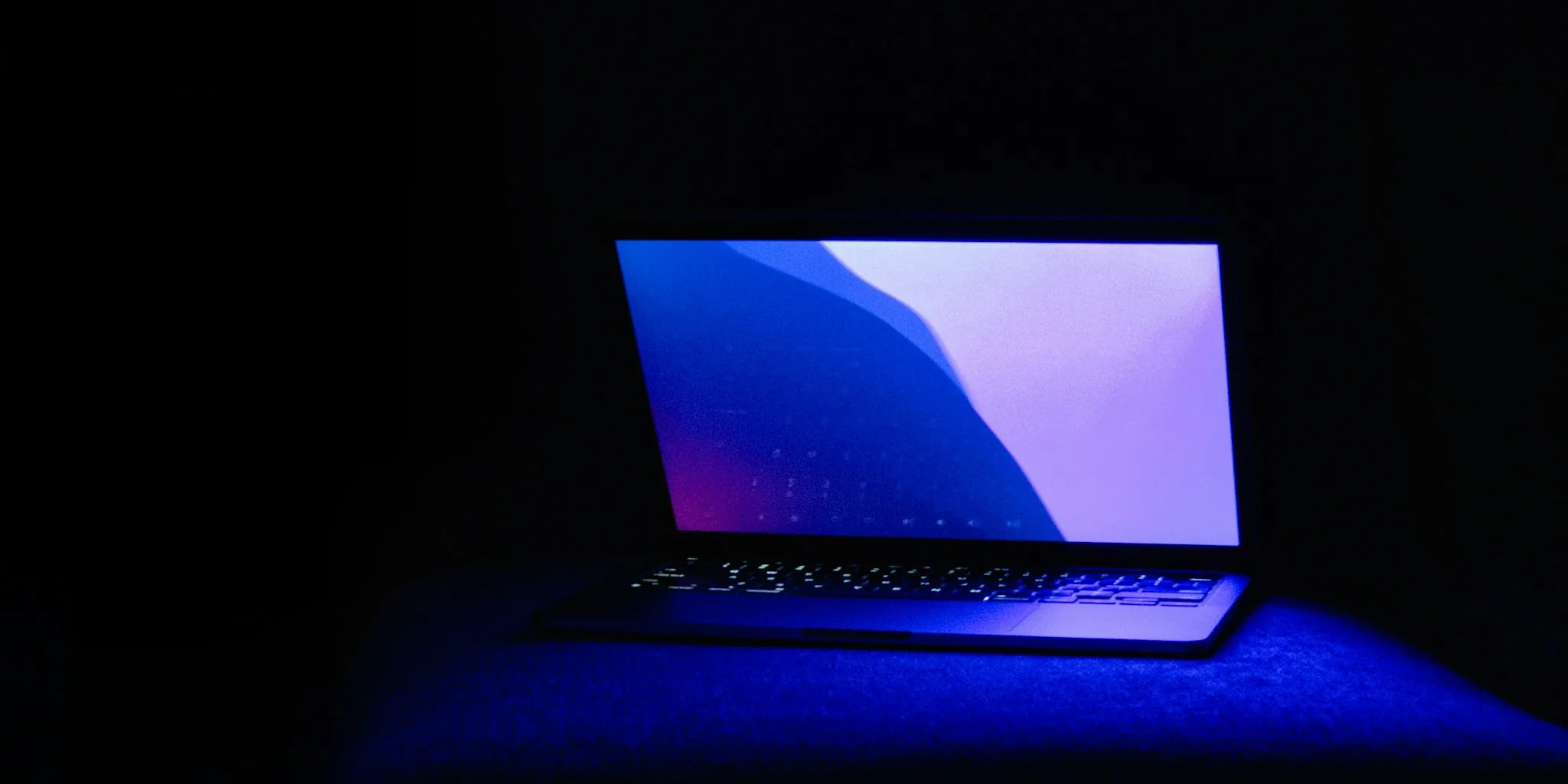

Apple’s latest MacBook Pro with the stunning PROLED XDR display arrived with significant fanfare. The screen technology is genuinely impressive, delivering flawless color calibration, up to 2,000 nits of peak brightness, and a new interactive element that catches the eye. However, beneath this premium exterior lies a critical limitation that power users and anyone planning to work with local artificial intelligence tools should carefully consider before spending nearly $2,900.
The Memory Bottleneck Problem
The core issue is straightforward: Apple configured the entry-level 14-inch MacBook Pro with only 24GB of unified memory, despite the steep $2,899 starting price. While this may seem adequate for everyday tasks and creative work like editing standard video files, it creates a serious constraint for anyone interested in running sophisticated AI models directly on their machine. Think of it as a luxurious mansion with only one bathroom. The exterior looks fantastic, but the infrastructure fails the moment you actually try to use it for demanding workloads.
The shortage of memory becomes painfully apparent when you attempt to run advanced local AI workloads, particularly larger language models with billions of parameters. Current enterprise conditions have made memory expansion expensive, and Apple’s solution was to pass that cost burden directly to consumers while keeping the base configuration lean.
Comparing Price Tags Across the Market
When you stack the MacBook Pro’s pricing against competitors, the value proposition becomes questionable. A Microsoft Surface Laptop with equivalent memory and processor power costs $5,899, which seemed steep until the PROLED MacBook Pro with similar specs climbs to $7,099 (or $7,399 for the 16-inch version). Yes, the MacBook offers a superior display, better CPU performance, and extended battery life, but does that $1,200+ premium justify the choice for someone prioritizing AI capability?
The gap widens further when examining RTX Spark and AMD Strix Halo equipped laptops that deliver more raw computing power and memory capacity at lower prices. The Lenovo Yoga Pro 7a with an AMD Ryzen AI Max+ processor includes 32GB of memory and an OLED display for $2,299, undercutting the MacBook by $600 while offering 33 percent more memory. For those willing to explore gaming-focused designs, the ASUS TUF Gaming A14 provides the same 32GB memory advantage for significantly less money.
The AI Computing Shift Changes Everything
The fundamental challenge facing MacBook shoppers right now stems from how computing priorities are evolving. Rather than relying on cloud-based data centers and streaming AI responses, the industry is moving toward running powerful AI models locally on personal devices. This shift demands substantial memory pools and dedicated neural processing capabilities. The MacBook Pro’s constrained memory allocation contradicts this emerging need.
For comparison, if you wanted a MacBook Pro equipped with 128GB of unified memory, you would spend $7,399 plus additional configuration costs, potentially exceeding $10,000. The same memory capacity in an ASUS ROG Flow Z13 with Strix Halo processing costs just $3,299, leaving nearly $7,000 for additional software, peripherals, or cloud services.
Display Quality Versus Practical Computing Power
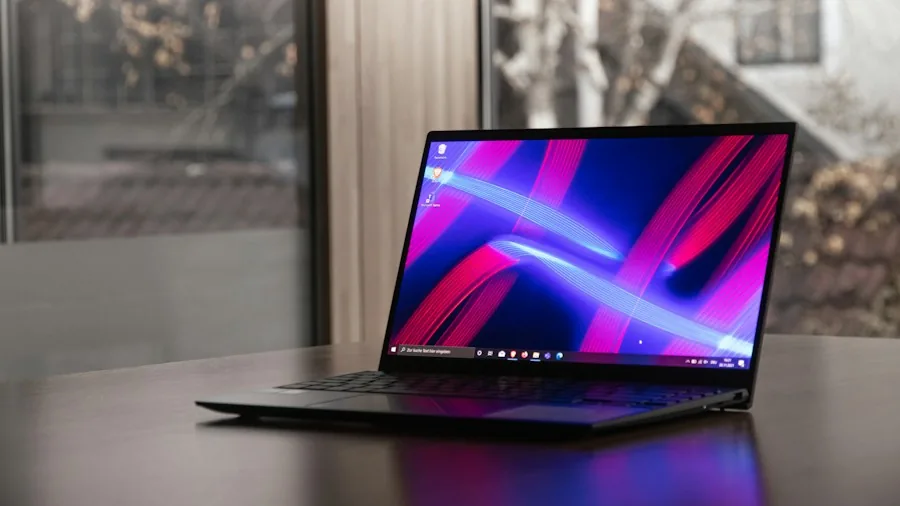
It is important to acknowledge that Apple has legitimately excelled in display technology this year. The PROLED XDR screen represents genuine advancement in color accuracy and brightness. For professional video editors, color graders, and digital artists working with 8K content, that display investment holds real value. However, for the broader audience considering a MacBook as an AI-capable computing tool, paying premium prices for screen quality while accepting memory limitations represents poor purchasing strategy.
What This Means for Your Purchase Decision
Before selecting your next laptop, honestly assess your actual needs. If creative display work represents your primary use case and you rarely work with demanding computational tasks, the MacBook Pro remains competitive. However, if you are interested in exploring local AI applications, building machine learning models, or simply want maximum memory headroom for multitasking, alternatives offer substantially better value. The upcoming MacBook Air lineup could present new options worth evaluating, but current pricing and memory configurations suggest exploring the Windows ecosystem first.
The market now offers compelling alternatives that do not sacrifice capability for aesthetics. Windows laptops equipped with Nvidia and AMD’s latest AI-focused processors deliver the computing muscle that sophisticated users actually need, often at prices that leave room for other investments in your tech setup.


Write Your Review
No reviews yet. Be the first to share your experience!