

The automotive landscape is undergoing a dramatic transformation over the next several years. Between now and 2030, manufacturers will introduce dozens of new vehicles that represent significant shifts in design, powertrain technology, and buyer expectations. Whether you’re in the market soon or planning ahead, understanding what’s coming helps you make smarter purchasing decisions today.
Electric Performance Cars Are Finally Arriving
One of the most exciting trends is the rise of high-performance electric vehicles. Ferrari is launching the Luce, a four-door electric supercar producing 1,035 horsepower with a 2.5-second sprint to 62 mph. Jaguar is similarly reinventing itself with the Type 01, a grand tourer that will debut in late 2026 with over 986 horsepower and a projected 430-mile range. For buyers considering premium electric options, reliable car batteries are essential for long-term ownership satisfaction, making battery technology a key consideration when evaluating these new models.
Audi is developing an electric sports car based on its Concept C design, positioned between traditional sports cars in the market. Genesis is taking a different approach with the GV60 Magma, a high-performance electric SUV that mirrors the Hyundai Ioniq 5 N with 641 horsepower. These vehicles signal that electric powertrains are no longer confined to practical family cars; they’re now powering some of the most thrilling machines on the road.
Traditional Engines Make a Comeback

Not everyone is going electric. Dodge is bringing back the Hemi V-8 to the Charger in 2027, with power outputs expected to exceed 700 horsepower in Hellcat form. The upcoming Chevrolet Silverado will debut two new small-block V-8 engines alongside turbocharged four-cylinder options, offering truck buyers more choices than in recent years.
Jeep’s new Wrangler Scrambler will pack a 392 Hemi V-8 producing at least 470 horsepower, combining retro styling with serious muscle. Infiniti is reviving the Q50 sports sedan with a twin-turbocharged V-6 engine, and the brand is even considering adding a manual transmission to appeal to driving enthusiasts. These announcements show that enthusiasts who prefer traditional combustion engines still have reasons to stay engaged with the market.
Iconic Nameplates Return and Transform
Chevrolet is bringing back the Camaro for the 2029 model year after its discontinuation. The new pony car will likely offer both turbocharged four-cylinder and V-8 powertrains, with an estimated starting price around $40,000. Production is slated to begin in late 2028.
Ford is developing the new Ranchero as an electric compact truck, reviving a nameplate that hasn’t been sold in the U.S. for decades. The vehicle will be roughly the size of the Maverick, with an estimated 300-mile range and a target base price near $30,000. This represents a smart strategy for manufacturers seeking to offer affordable electric trucks without the massive size and price of full-size models.
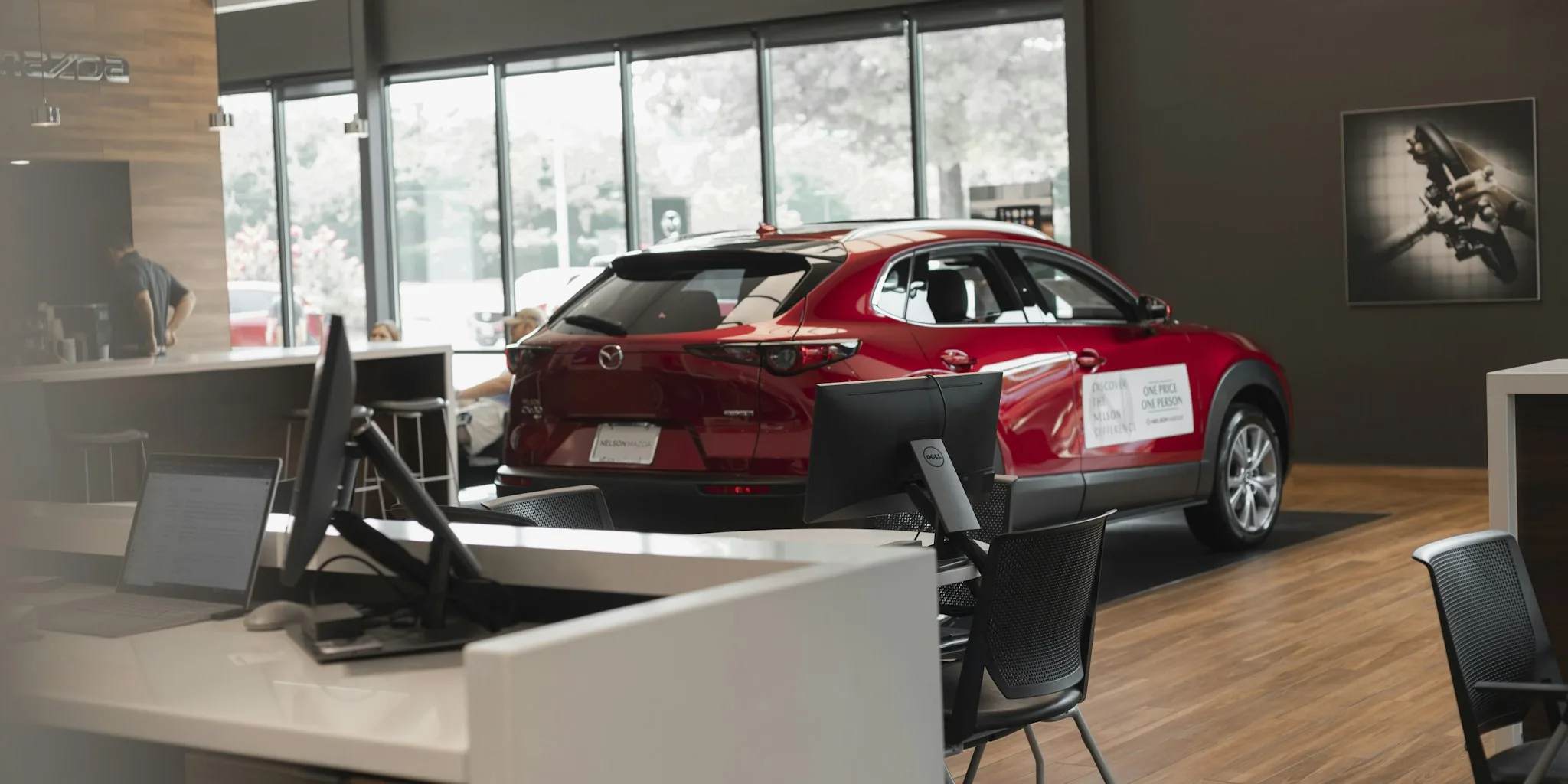
Mitsubishi is returning to the U.S. off-road SUV market with a new Montero expected in 2030, likely featuring a twin-turbocharged V-6 or plug-in hybrid powertrain. Mazda is adding a hybrid option to its bestselling CX-5 crossover, with the new powertrain targeting over 30 mpg EPA-rated fuel economy.
What This Means for Your Next Purchase
For buyers currently shopping, these announcements have real implications. If you’re considering a vehicle with a nameplate that’s returning or significantly changing, it might be worth waiting if your timeline permits. Conversely, if you need a car now, current inventory is unlikely to be discounted dramatically until these new models arrive.
The diversity of powertrains being introduced is noteworthy. Whether you prefer fully electric, hybrid, traditional V-8, or turbocharged engines, manufacturers are catering to different preferences and budgets. quality in-car audio systems complement these new vehicles, making the driving experience more enjoyable regardless of powertrain choice.
Pricing varies significantly across these upcoming releases. Some vehicles like the Ford Ranchero will target budget-conscious buyers at around $30,000, while flagship models like the Ferrari Luce will exceed $600,000. This range suggests that automotive manufacturers are investing across all market segments, not just luxury or budget categories.
Planning Your Next Vehicle Purchase
Buyers should consider their timeline carefully. If you plan to keep a vehicle for many years, waiting for newer models with updated technology, better fuel efficiency, and advanced safety features often makes financial sense. However, if you need reliable transportation immediately, today’s market offers proven vehicles with established resale histories.
Research the specific powertrains and features that matter most to you. The shift toward electrification is real, but traditional engines remain competitive, at least through 2027 and beyond. Test driving current generation vehicles can help you understand what to expect from upcoming iterations, since manufacturers often refine designs and engineering based on customer feedback and market performance.






Write Your Review
No reviews yet. Be the first to share your experience!