

The Marvel Cinematic Universe timeline has officially caught up to the real world, and that shift has significant implications for how streaming services are managing content releases and production schedules. According to showrunner Terry Matalas, the upcoming VisionQuest series takes place in 2027, placing it in the MCU’s present day alongside the latest Marvel films. This revelation clarifies ongoing confusion about the show’s placement in the franchise’s complex timeline and reveals how streaming platforms are now syncing their content with theatrical releases in ways that reshape viewer expectations.
Timeline Confusion Resolved for Fans
For years, Marvel fans have struggled to track where each new show and movie lands on the MCU timeline. The confusion intensified after Avengers: Endgame skipped forward five years, jumping from 2018 to 2023 mid-film. Since then, viewers have been playing catch-up as Marvel’s universe advanced faster than real time. Lead actor Paul Bettany initially suggested VisionQuest occurred roughly one year after WandaVision, which would have placed it around 2024. However, Matalas clarified that the timeline actually extends further, with the series set around 2027, the same era as the latest Spider-Man theatrical release.
This type of timeline management directly impacts how streaming services schedule their programming and how consumers plan their viewing habits. When streaming platforms release interconnected content, viewers need clear understanding of narrative continuity. The alignment between Disney+ shows and theatrical releases means audiences must stay current across multiple platforms to fully appreciate story arcs. For those investing in home theater setups to watch these premium productions, understanding the release schedule and narrative placement becomes essential for planning subscription services and viewing arrangements.
What This Means for Streaming and Content Strategy

The consolidation of Marvel’s timeline reflects broader shifts in how major studios approach streaming content. By positioning VisionQuest in the MCU’s current day rather than a year after its predecessor, Disney is emphasizing that streaming shows operate on equal footing with theatrical releases. This strategy encourages simultaneous engagement across platforms and suggests future Marvel content will continue this pattern of timeline alignment.
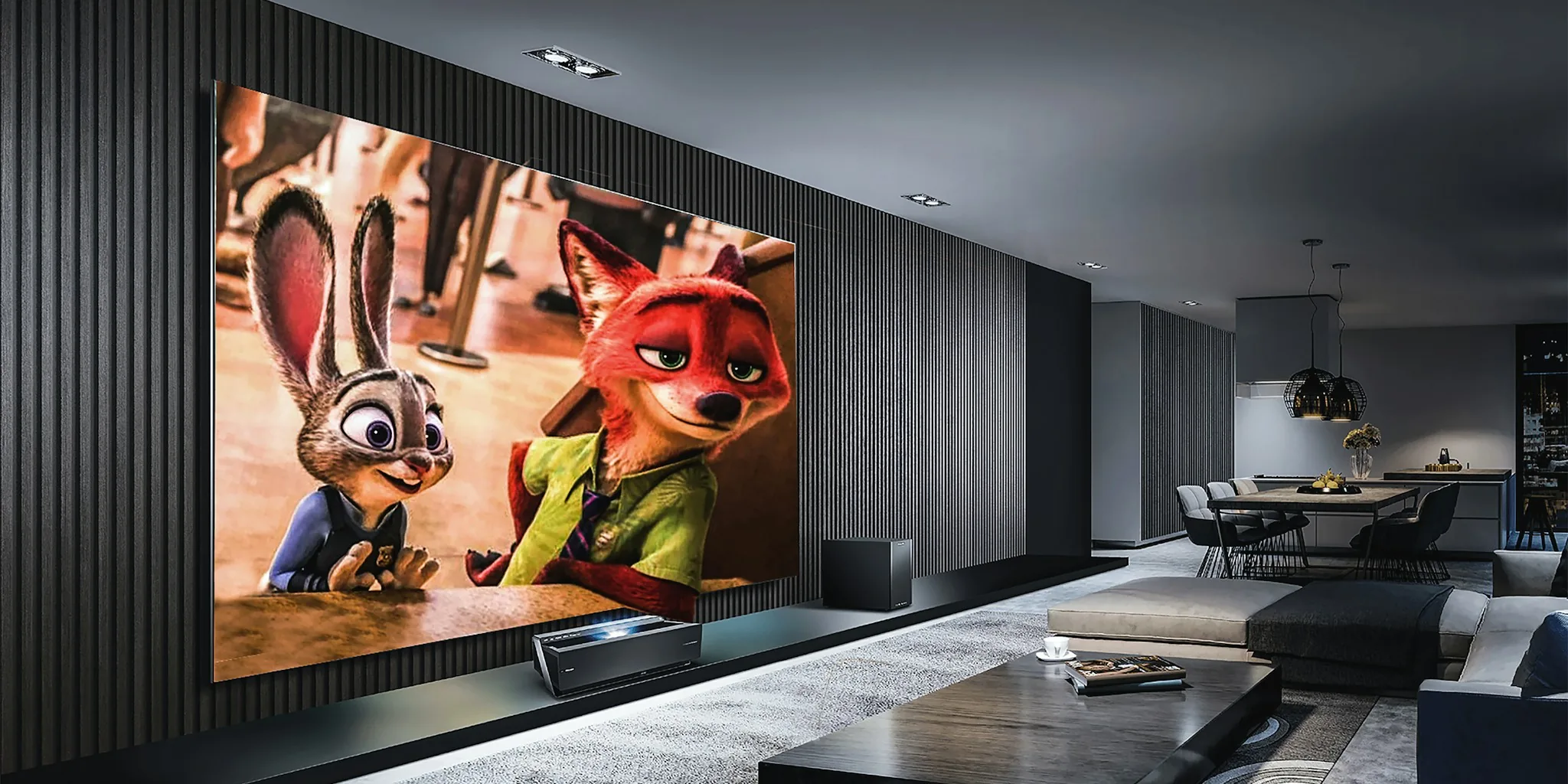
For consumers, this approach means streaming subscriptions have become integral to following major franchises. A quality television is essential infrastructure for keeping up with Marvel’s expanding universe, whether through streaming apps or traditional broadcasting. Many viewers are investing in larger screens and better audio quality to match the production values of theatrical-quality content now streaming at home. The best 65 inch TVs for movies and sports have become increasingly popular choices for fans wanting cinematic experiences in their living rooms. Additionally, pairing your display with the best soundbars for TVs enhances the immersive quality of dialogue-heavy Marvel series and creates a more engaging viewing environment.
Production Schedules and Viewer Expectations

Matalas indicated that while Bettany spoke about events feeling roughly a year apart, the actual timeline extends further than that estimate. This discrepancy highlights how showrunners and studios sometimes communicate differently with public audiences. The clarification demonstrates that viewers should anticipate evolving information as series approach release dates, and that initial promotional statements may require adjustment.
The MCU timeline has become increasingly intricate since 2019, operating several years ahead of real time. Now that we are approaching 2027 within the universe while living in 2025, the gap has narrowed significantly. This convergence may influence how Marvel structures future releases, potentially slowing the timeline’s advancement or using real-world time more directly in storytelling. For fans planning their viewing strategies, understanding this trajectory helps predict when future shows and movies will occur relative to one another.
Planning Your Marvel Viewing Setup
As Marvel content becomes increasingly synchronized between streaming and theatrical platforms, your home viewing environment matters more than ever. The quality of your television directly impacts your ability to appreciate cinematography and visual details that enrich these interconnected stories. Whether you watch primarily on streaming services or split your viewing between home and theaters, investing in appropriate display technology ensures you experience the content as creators intended.
The VisionQuest timeline clarification serves as a reminder that Marvel’s narrative has matured into a complex, interconnected universe requiring attention to detail and consistent engagement across multiple platforms. For consumers, this means understanding both the storytelling landscape and the viewing technology landscape becomes equally important. Outdoor TVs designed for patios and decks even allow Marvel fans to enjoy content beyond their living rooms, expanding how and where you can follow the MCU’s advancing timeline.
As the MCU timeline continues its march toward real time, expect further clarifications and increasingly sophisticated timeline management from Marvel Studios. Staying informed about placement and release schedules will help you plan both your streaming subscriptions and your viewing setup investments wisely.





Write Your Review
No reviews yet. Be the first to share your experience!