
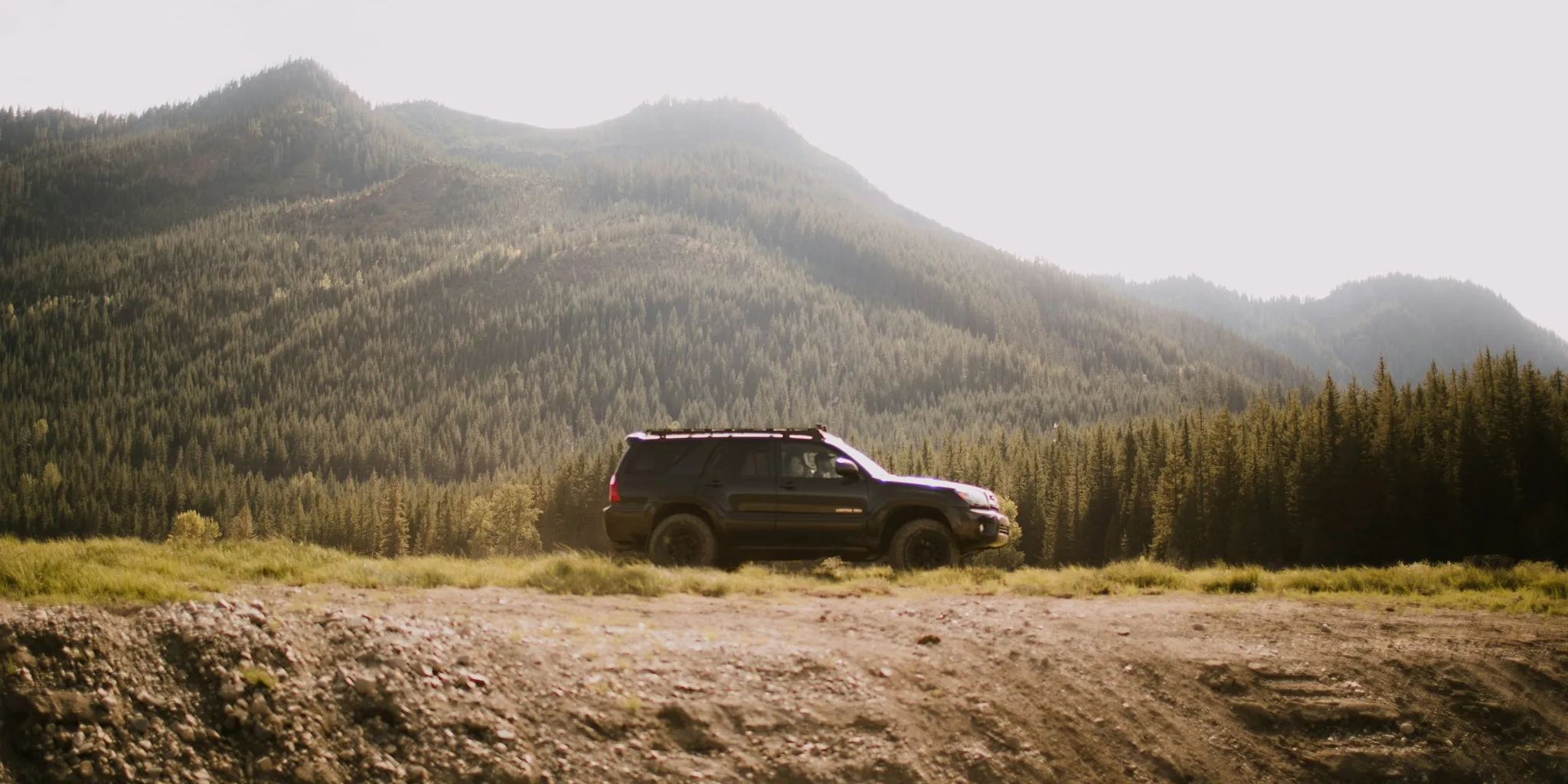

The Pajero Is Back, But US Shoppers May Miss Out
After a 21-year absence from American showrooms and five years away from global markets, Mitsubishi has officially unveiled the fifth-generation Pajero, reviving one of the SUV world’s most iconic nameplates. The reborn off-roader represents a complete redesign from the ground up, featuring a modern ladder frame chassis paired with a seven-seat cabin that blends premium comfort with rugged capability. For decades, US buyers knew this vehicle as the Montero, and its return signals renewed competition in the midsize SUV segment dominated by established rivals.
The big question facing potential customers is whether they will actually be able to buy one. Mitsubishi has remained noncommittal about bringing the Pajero to North America, and early indicators suggest that the version unveiled for global markets will likely stay overseas. Since the new model is being manufactured in Thailand rather than Japan, the possibility of a US-spec variant arriving unchanged appears slim. This development means American SUV shoppers interested in three-row options from Japanese manufacturers may need to look elsewhere, at least in the near term.
What Makes the New Pajero Special
The new Pajero rides on an entirely redesigned ladder frame that engineers heavily reinforced to boost overall rigidity while maintaining the structural properties necessary for serious off-road work. The front suspension features independent components, while the rear uses a five-link setup that Mitsubishi engineered to balance everyday driving comfort with genuine trail-running ability. Ground clearance exceeds nine inches, positioning the Pajero as a legitimate competitor to established nameplates like the Toyota Land Cruiser.
Design-wise, the Pajero returns to its roots with a boxy, upright silhouette that emphasizes capable styling. The vehicle features a vertical grille, flat hood, and clearly defined bodywork that gives it a timeless appearance rather than following current trend-driven proportions. The roofline remains mostly flat before tapering near the rear, suggesting excellent headroom even for third-row occupants. Generous glass area throughout the cabin provides the sightlines that matter for both highway driving and obstacle navigation on trails.
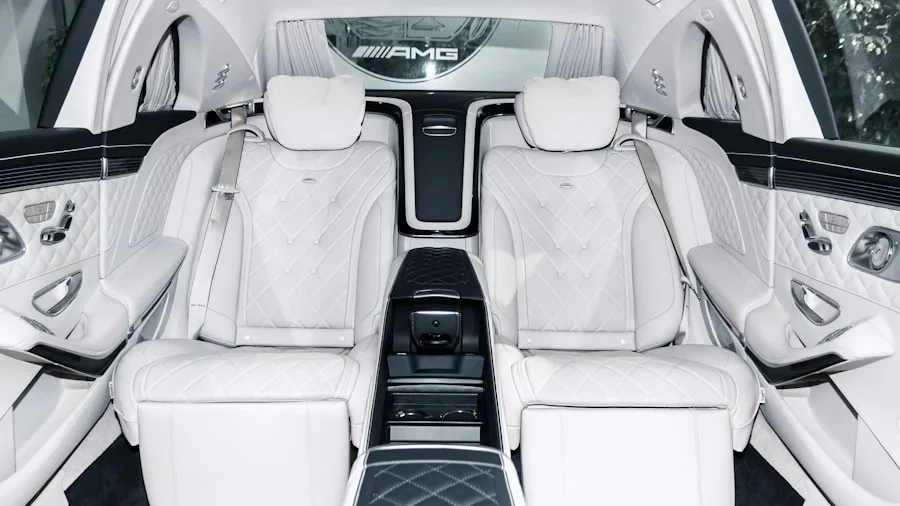
Inside, the cabin represents a significant leap in quality compared to previous generations. The Pajero seats seven across three rows, with a second-row bench that slides nearly six inches fore and aft, easing third-row access for passengers and cargo loading. Premium touches include a 12-speaker audio system, heated second-row seats, and an abundance of physical controls on the dashboard alongside dual 14.3-inch screens handling infotainment and instrument functions. This interior design directly targets the Toyota Land Cruiser and other upscale off-road SUVs.
Off-Road Capability and Competitive Positioning
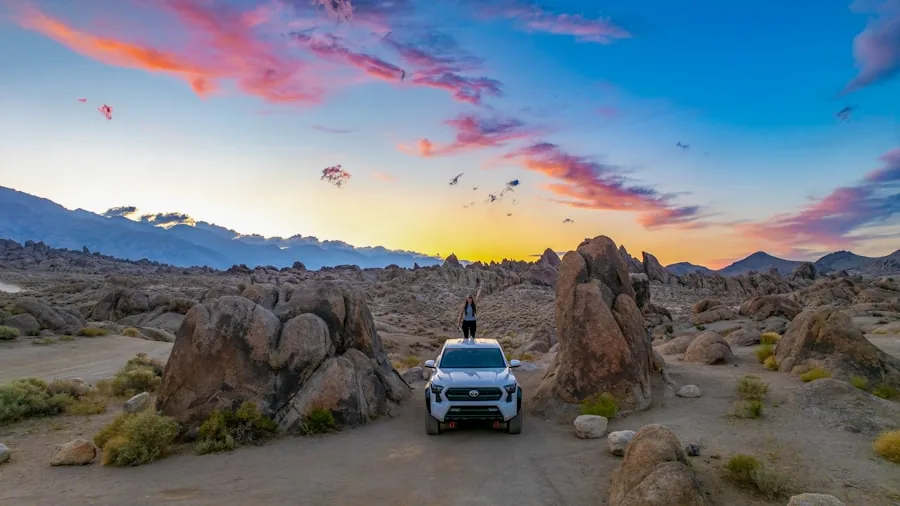
Mitsubishi engineered the Pajero to compete head-to-head with premium off-roaders already established in global markets. When comparing approach, breakover, and departure angles, the Pajero holds its own against the Land Cruiser, though the angles vary depending on which specific metric you prioritize. The Pajero actually achieves a better departure angle and superior ground clearance, advantages that matter when descending steep terrain or navigating rocky terrain.
The suspension geometry balances on-road refinement with genuine off-road prowess, a formula that increasingly attracts buyers who want vehicles capable of weekend adventures without sacrificing daily driving dynamics. As alternative options like electrified SUVs arrive across the segment, Mitsubishi’s return with a traditional combustion-powered, body-on-frame SUV provides a counterpoint for customers who value proven mechanical solutions and established service networks.
Uncertain Timeline for North American Availability
Mitsubishi has not ruled out eventually bringing some version of the Montero to North American dealerships, but the timeline remains highly speculative. Industry analysts suggest that even if a US variant eventually arrives, it might differ substantially from the global Pajero, potentially built on a different platform such as the next-generation Nissan Frontier chassis. Such a variant would likely not appear before 2030 at the earliest, giving customers several years to consider competing options.
For shoppers seeking three-row Japanese SUVs today, the market still offers Toyota’s Land Cruiser and the Lexus LX, along with upcoming hybrid variants from other manufacturers expanding their SUV lineups. The return of the Pajero demonstrates that demand for capable, premium off-roaders remains strong globally, even as the segment undergoes technological transformation.
The 2027 Pajero represents Mitsubishi’s confidence in the off-road SUV market, but its absence from US dealer lots through the next several years means that American buyers will need to work with existing alternatives or wait for official announcements regarding potential future localization.




Write Your Review
No reviews yet. Be the first to share your experience!