
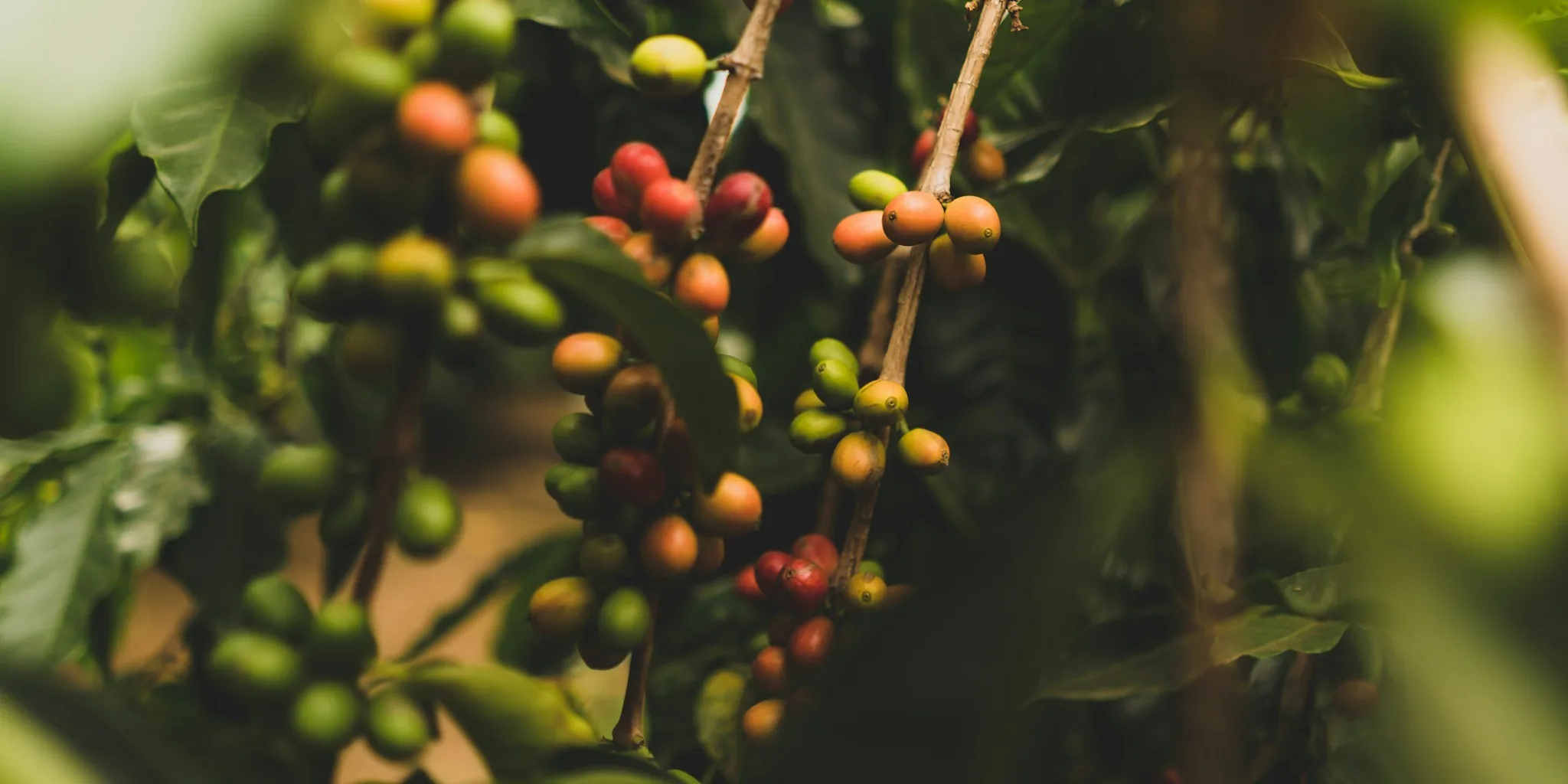

A groundbreaking international study has identified which coffee varieties perform best in today’s changing climate, giving growers and consumers insight into the future of what ends up in your cup. Researchers examined 32 arabica varieties across 30 sites in 17 countries between 2015 and 2023, measuring yield and resistance to coffee leaf rust, a devastating disease affecting producers worldwide.
The findings are clear: newer arabica varieties bred with disease-resistant genetics from other coffee species outperform traditional pure arabica varieties. Two hybrid varieties in particular stood out. H1 Centroamericano and EC16 (also called Mundo Maya) delivered the highest yields while also showing strong resistance to leaf rust. They were followed closely by Parainema and Ruiru 11, which similarly combined productivity with disease protection.
What matters most for coffee shoppers is that these results help farmers make smarter planting decisions. When farmers grow higher-yielding, disease-resistant varieties, they maintain more stable supplies and potentially steadier prices. Climate change is already disrupting coffee production worldwide, making reliable varieties more valuable than ever.
Climate Performance Varies by Region
One critical discovery emerged from the data: the same variety does not perform equally everywhere. EC16 thrived in cooler environments with big day-to-night temperature swings, while H1 Centroamericano adapted better to warmer, more stable climates. Parainema and Ruiru 11 also showed preference for cooler, more variable conditions. This means coffee farmers must select varieties matched to their specific local conditions rather than planting the top-yielding variety everywhere.
Other varieties like IPR103, Col5, and S4808 demonstrated a different strength: consistent, solid performance across varied climates. These varieties offer a more reliable middle ground when climate conditions are unpredictable or changing rapidly. As coffee growers face increasingly erratic rainfall, temperature swings, and humidity shifts, having varieties that don’t require perfect conditions becomes increasingly important.
The research also confirmed that coffee leaf rust, a fungal disease caused by a pathogen that survives in warm, humid conditions, becomes more severe in warmer, moisture-rich environments. However, different varieties responded differently to disease pressure depending on their genetic makeup. The varieties bred with robusta coffee genetics showed the strongest rust resistance overall.
What This Means for Coffee Quality and Supply
Many consumers wonder whether these hardy, high-yielding varieties will affect the taste of their morning coffee. The study did not evaluate cup quality, so the flavor impact remains unknown. However, researchers cautioned that farmers should validate any new variety under their specific local conditions before committing to large-scale planting. There is no one-size-fits-all solution, even among the best-performing varieties.
Importantly, the newest hybrid varieties like H1 Centroamericano and EC16 are more expensive and harder to produce than traditional varieties. They typically require specialized nurseries for propagation, which may limit how quickly they can spread to smaller farms. Traditional varieties remain more accessible and affordable for many growers in developing coffee-producing regions.
To help farmers navigate these decisions, a new digital platform called CafeClima launched earlier this year. It uses the trial data along with climate forecasts to recommend which varieties suit both current and future growing conditions. This tool should help stabilize supply chains by guiding farmers toward varieties that will thrive in their regions for years to come. When you’re shopping for drip coffee makers or any brewing equipment, a stable coffee supply means more consistent flavor profiles and reliable availability of your favorite origins.
The Bigger Picture on Climate and Coffee
This research arrives at a critical moment. Rising temperatures, increasing drought risk, and unpredictable rainfall are already shifting which regions can grow coffee profitably. Traditional pure arabica varieties, which produce lower yields and struggle more with disease, are becoming less viable as conditions change. The newer introgressed varieties, bred by crossing arabica with genetics from hardier robusta coffee and other species, represent a practical solution.
The study was funded by major coffee industry members, yet the researchers maintained independence in design, data collection, analysis, and reporting. The findings provide a strong scientific foundation for coffee breeding programs and replanting strategies worldwide. Whether you prefer pour over coffee makers for a manual brewing experience or explore single serve options for convenience, the coffee varieties reaching your local shelf will increasingly reflect these climate-smart breeding choices.
For the average coffee drinker, the takeaway is simple: farmers now have better data to grow coffee more reliably and sustainably. That translates to more predictable supply, potentially better pricing, and coffee that continues flowing to your favorite brewing method regardless of how weather patterns shift in major growing regions.
Write Your Review
No reviews yet. Be the first to share your experience!