
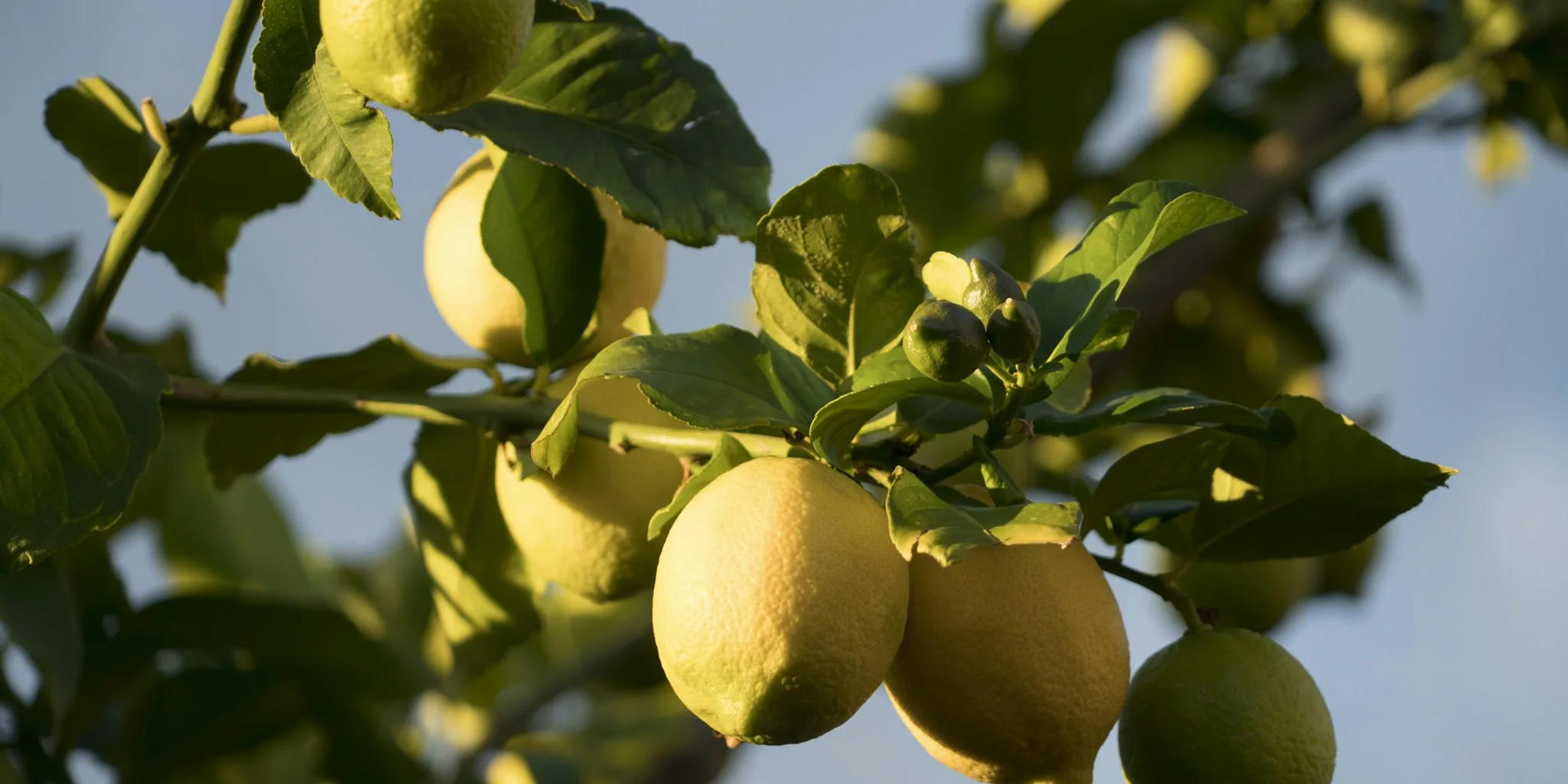

As October arrives, lemon trees across the country are heavy with ripening fruit, but this critical month demands special attention. Whether you grow lemons in your garden or are considering purchasing a potted tree, understanding fall care now will protect your investment and ensure a healthy harvest through winter.
Why October Matters for Lemon Trees
October marks a turning point in the lemon growing calendar. Lemons are among the most cold-sensitive citrus varieties, making them vulnerable to early-season temperature drops. Temperatures that dip toward 40 degrees Fahrenheit can damage leaves, fruit, and tender new growth. The good news: with proper October maintenance, your tree will survive winter and produce another abundant crop next year.
For shoppers considering a lemon tree purchase, timing your buy for fall allows you to learn these care routines before winter stress hits. Home and garden retailers stock quality specimens throughout autumn, giving you options before the winter rush.
Harvest Only Truly Ripe Lemons
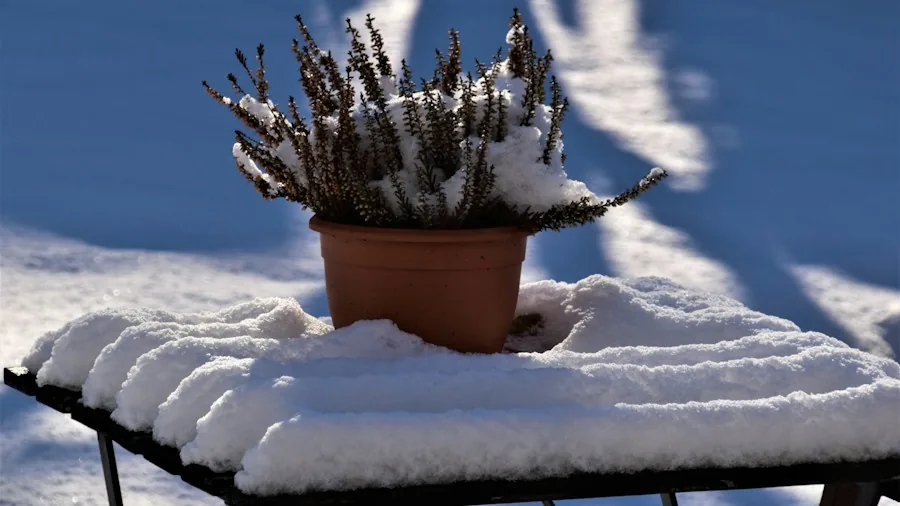
Your tree likely displays fruit at various stages of maturity right now. Begin October by carefully harvesting only the lemons that are genuinely ready. Color alone is misleading: a bright yellow lemon might be weeks away from peak ripeness, while a fully mature fruit can still show green patches.
Press each lemon gently to assess ripeness. A ripe lemon feels substantial for its size and is firm but yields slightly to pressure. Scratch the peel near the stem with your thumbnail and sniff: ripe fruit smells fresh and sweet. Use hand pruners to cut lemons rather than twisting them off, as pulled fruit tears easily and rots quickly. Remember, lemons never ripen after picking, so leave any sour ones on the tree to mature longer.
Reduce Watering as Temperatures Cool
Adjust your watering schedule now that fall is underway. Soil cools down significantly in October and retains moisture much longer than during hot summer months. Additionally, your tree demands less water now that fruit has already formed.
If you live in an area with regular fall rainfall, you may stop watering entirely. For drier climates, water less frequently and check soil moisture with a probe meter before irrigating. This shift prevents root rot and prepares your tree for dormant winter growth patterns.
Remove Suckers Carefully
Although general pruning should be avoided in fall, one exception exists: removing suckers. These shoots emerge from rootstock below the graft union (that visible bump near the trunk base) and are often thorny and fast-growing. Suckers drain energy from your tree and produce inferior, sour, seedy fruit.
Use sharp hand pruners to cut suckers flush with the trunk. This targeted removal won’t trigger tender new growth the way heavy pruning does, making it safe during autumn months. As you prepare your plant, understand which other plants never should be pruned in October to avoid costly mistakes elsewhere in your garden.
Inspect for Pests Before Winter
Now is the critical moment to check for pests, especially if you plan to move your tree indoors. Outdoor conditions normally keep pest populations in check through wind, rain, and natural predators, but indoor environments allow infestations to explode.
Look for sticky residue on leaves, indicating brown soft scale or citrus mealybugs. Scale appears as tiny flat bumps on stems and leaf veins. For spider mites, tap a branch over white paper and watch for moving specks. Treat infestations with plant-derived neem oil, the safest choice for trees you’ll eventually eat from. Scrub scale with a toothbrush before spraying, dab mealybugs with rubbing alcohol first, and rinse spider mites with a forceful hose spray before applying neem oil. Repeat weekly to break pest lifecycles.
Move Potted Trees Indoors at the Right Time
Potted trees have roots fully exposed to cold air, making them far more vulnerable than in-ground specimens. When nighttime temperatures consistently reach around 40 degrees Fahrenheit, bring potted lemons indoors. Don’t wait for frost forecasts; move them proactively.
Place your tree in a south-facing window where it receives at least six hours of direct sunlight daily. Keep it away from heating vents, which create harmful temperature fluctuations. Water less frequently than you did outdoors, and only when soil is dry about two inches below the surface. Some leaf drop after moving is normal and not cause for concern.
Prepare Frost Protection for Outdoor Trees

If you’re keeping your lemon tree outdoors through winter, assemble frost protection before cold weather arrives. Heavy-duty frost blankets can be cut to size and secured with stakes positioned so the fabric doesn’t touch leaves. Let the cover extend all the way to the ground to trap rising soil heat.
For potted outdoor trees, wrap the pot permanently with a frost blanket to protect roots, then use removable plant protection bags when freezing temperatures are forecasted. Always use breathable fabric rather than plastic, as leaves touching plastic freeze more easily. Remove covers each morning once temperatures warm. Only incandescent lights provide heat for protective Christmas lights; modern LED lights produce no warmth.
Know Your Growing Zone Requirements
Your region determines winter strategy. In USDA zones 10 and 11, lemon trees typically survive outdoors year-round since temperatures rarely drop below 30 degrees. Zone 9 gardeners can overwinter outdoors with frost protection ready during cold snaps. Zone 8 and colder require moving trees indoors before fall frost; an unheated greenhouse, conservatory, or bright porch works best, provided temperatures stay above 40 degrees.
Taking these steps in October pays dividends all winter long. As you care for your lemon tree this season, you’ll enjoy fresh fruit through late fall and winter while protecting your investment for years of harvests to come.




Write Your Review
No reviews yet. Be the first to share your experience!