

Fall is the season when many gardeners reach for their pruning shears, but October pruning demands careful planning. Unlike spring maintenance, cutting back your plants at the wrong time can destroy next year’s flowers, encourage tender growth that won’t survive freezing temperatures, or invite fungal infections. Understanding which plants benefit from autumn pruning and which ones should be left alone is essential for protecting your landscape investment.
The Risks of Fall Pruning
Timing matters more than most gardeners realize when it comes to pruning in October. Plants that set flower buds on old wood have already formed those buds by fall, and every branch you remove will contain next year’s blooms. That means a well-intentioned trim can erase months of anticipated color before winter even arrives.
Beyond lost flowers, pruning stimulates new growth. When you cut branches in October, you trigger fresh shoot development that becomes extremely vulnerable in cold climates. This tender new growth will often die back when freezing temperatures arrive, wasting the plant’s energy and potentially damaging its overall structure.
Autumn’s wet conditions present another obstacle. Pruning wounds made during rainy or foggy weather create entry points for fungal spores and bacterial pathogens. Some trees, particularly maples and birches, are natural sap-bleeders that ooze profusely when cut in fall, making them unsuitable for autumn pruning altogether.
Best Practices Before You Cut

If you decide October pruning is right for your garden, follow these guidelines. Wait until plants have entered complete dormancy, dropping all their leaves. Warm spells may trigger growth on plants that aren’t fully dormant, and that fresh foliage will suffer serious damage when hard frosts return.
Always prune on dry days. Moisture in the air dramatically increases the risk of fungal problems after cutting. Use clean, sharp tools: dull blades crush plant tissue instead of making clean cuts, and dirty blades can transfer disease between plants. The three-D method is a smart approach for light fall pruning, focusing on removing only dead, damaged, or diseased wood.
Which Plants Benefit from October Pruning
Japanese spirea grows quickly and benefits from light tidying in October using the three-D method. Remove any spent blooms still clinging to the shrub, but save heavy pruning for early spring when the plant can vigorously recover.
Panicle and smooth hydrangeas bloom on new spring growth, making them suitable candidates for October maintenance. Unlike mophead and oakleaf varieties, which bloom on old wood and should never be touched in fall, these hydrangeas can be lightly pruned. Remove dead stems and heavy flower heads that might break under snow and ice. You can shorten stems by up to one-third if needed, but wait until the shrub has completely dropped its leaves.
Summer-bearing raspberries and blackberries should have their old fruiting canes cut to the ground in October. This sanitation work removes disease-prone old wood and makes room for fresh green canes. Fall-bearing raspberries need a different approach: remove only the top portion of canes that fruited in fall, leaving the lower canes to produce a second crop the following summer.
Blueberries respond well to the three-D method in October. Remove any dead, diseased, or damaged canes, and clear away obviously problematic weak or crossing shoots. Save serious pruning and cane thinning for late winter when the plant is dormant.
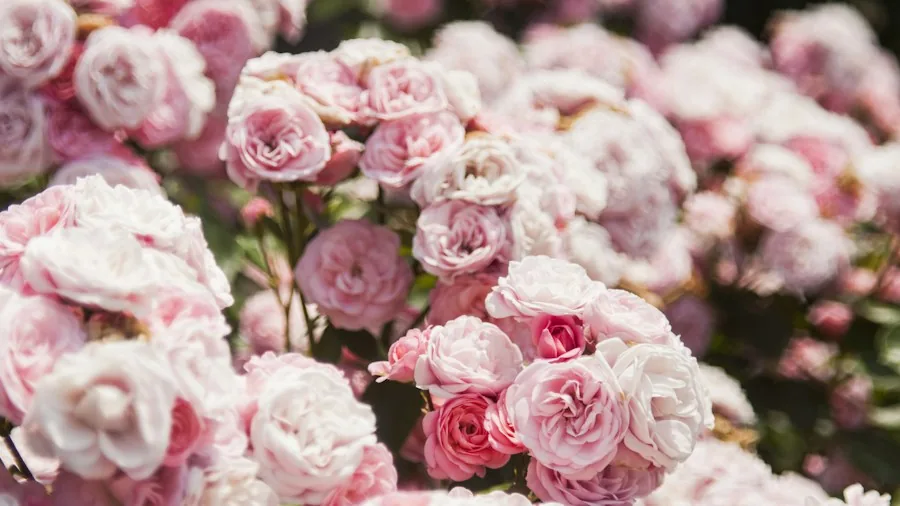
Roses can receive a light trim in October, especially to reduce long or whippy growth by about one-third. This prevents strong winter winds from loosening the plant’s roots and makes it easier to protect roses with winter coverings. The exception is Knock Out roses, which bloom on new growth and tolerate one-third reduction in October. Other varieties should wait for heavy pruning until late winter. Be sure to save tender plants for next spring if your climate demands winter protection.
Southern magnolias and gardenias in warm regions benefit from October pruning after flowering stops. Remove dead, damaged, or diseased branches and lightly shape the canopy. Avoid heavy cutting, which reduces blooms the following season. Magnolias are especially sensitive to sap bleeding in winter, making fall the better choice for pruning them.
Fruit trees need dead wood and broken limbs removed in October, but structural pruning belongs in late winter. For apple and pear trees, remove low branches that drag the ground. Plum and apricot trees should have diseased wood and mummified fruit clipped away to prevent fungal spores from surviving the winter.
Herbaceous perennials prone to fungal diseases, including iris, hollyhock, phlox, peonies, bee balm, and hostas, should be cut back in October. Powdery mildew and other fungal issues overwinter on dead foliage, so removing infected plant material now prevents springtime reinfection. When considering winterizing tender perennials, disease management becomes even more critical.
Shrub suckers emerging from the base of dogwood, lilac, forsythia, sumac, and fruit trees should be removed during October cleanup. Cut them as close to their origin as possible, scraping away soil if needed for the cleanest removal.
What to Leave Alone
Spring-blooming shrubs like lilacs, forsythia, and rhododendrons form flower buds on old wood and should never be pruned in fall. Plants that support wildlife, including coneflower, black-eyed Susan, and ornamental grasses, are better left standing for winter shelter and food. Sap-heavy trees like maple, birch, elm, and dogwood become liabilities when pruned in fall.
Stop pruning if weather turns extreme. Rain, snow, drought, or high winds stress plants, and adding pruning stress during these conditions can cause serious damage. When spring arrives and planting season begins, you’ll be glad you waited for ideal conditions to make those major cuts.

Write Your Review
No reviews yet. Be the first to share your experience!