
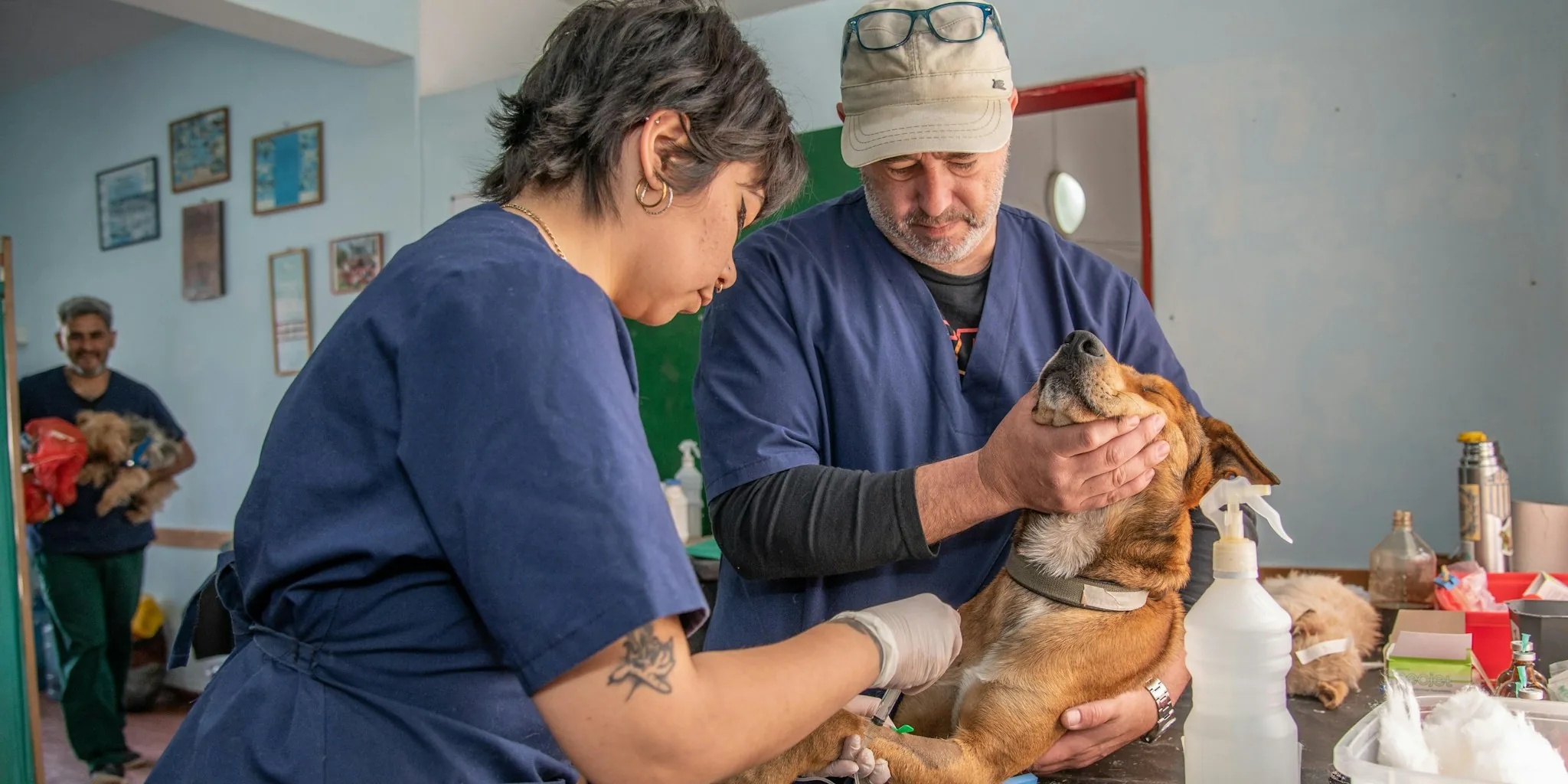

When a major earthquake struck Venezuela in June 2026, one unexpected location became a lifeline for injured animals and their families. A McDonald’s restaurant in La Guaira transformed into an emergency veterinary clinic, where volunteer veterinarians worked alongside human medical teams to care for more than 140 rescued companion animals. This real-world response reveals critical lessons about how pets fare during natural disasters and why pet owners need to understand disaster preparedness.
How the Emergency Response Unfolded
Led by veterinarian Dr. Ángel Matute and supported by over 70 volunteers, the makeshift clinic operated from the restaurant’s available space, which provided electricity, running water, and room for treatment stations. The decision to use this location proved practical: with local infrastructure damaged, the restaurant offered resources that a traditional veterinary clinic could not. Within days, the team provided veterinary treatment to at least 60 animals, with dozens more receiving initial assessments and care coordination for ongoing treatment elsewhere.
What makes this situation noteworthy for pet shoppers and owners is that it demonstrates how rapidly companion animals can become part of a humanitarian crisis. Many families refused to leave unsafe areas without their pets, risking their own safety in the process. The veterinary response helped prevent those dangerous searches by creating a known location where people could bring injured animals and get them reunited with owners.
Why Cats Hide During Emergencies
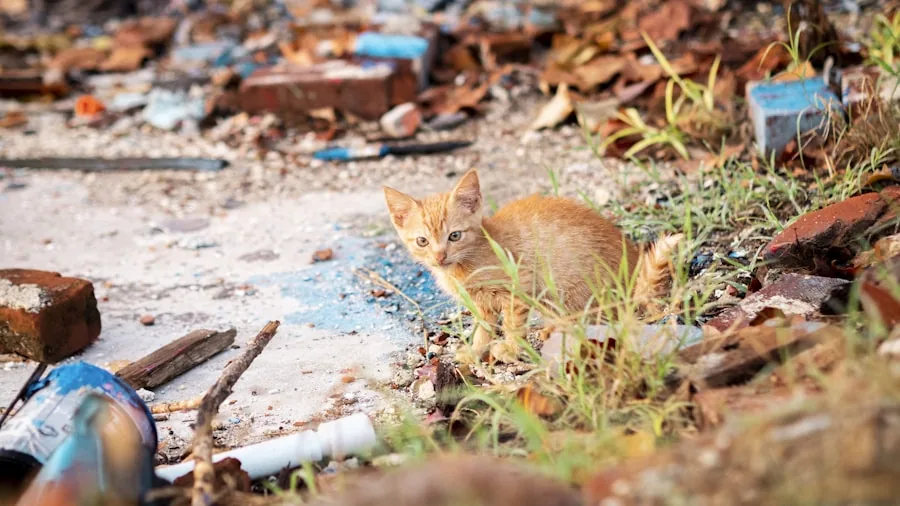
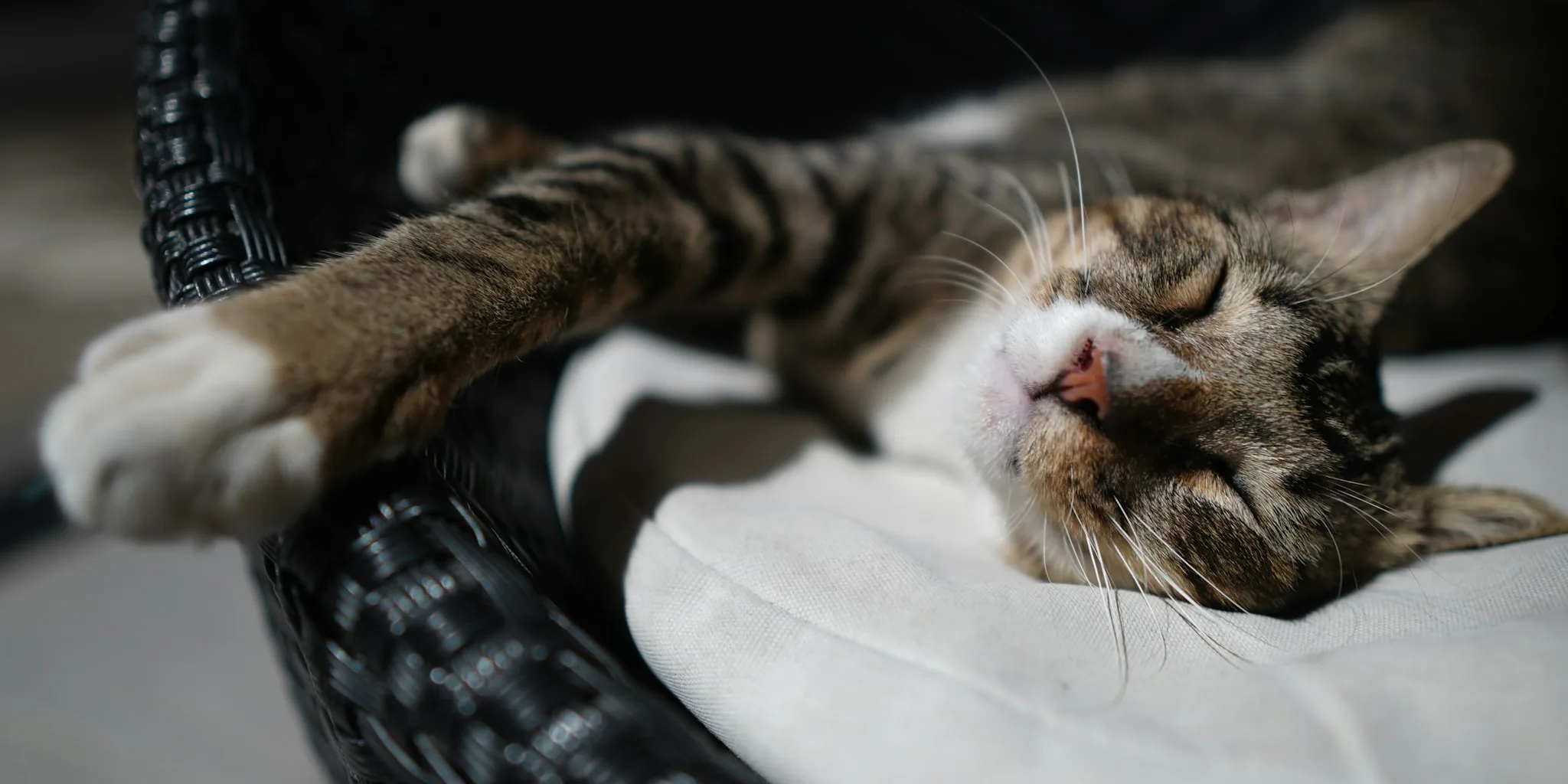
One major challenge the Venezuelan rescue teams faced was locating cats. Felines possess a powerful survival instinct to hide when frightened, which can work for them during the initial disaster but against them during rescue efforts. A cat may squeeze into a gap beneath collapsed concrete, hide in debris piles, or tuck into spaces within damaged structures. During an earthquake, these hiding spots offer protection from immediate danger but make rescue workers’ jobs significantly harder.
More troubling is that cats rarely make noise when trapped or scared. Rescue teams searching rubble often overlook silent, hidden animals, which means many cats are simply never found. Even among those who are rescued, the challenge continues: a cat that appears calm and uninjured may actually be suffering from dehydration, shock, internal injuries, or fractures. Cats are experts at masking discomfort, a survival trait that helps them in the wild but complicates veterinary care in emergencies.
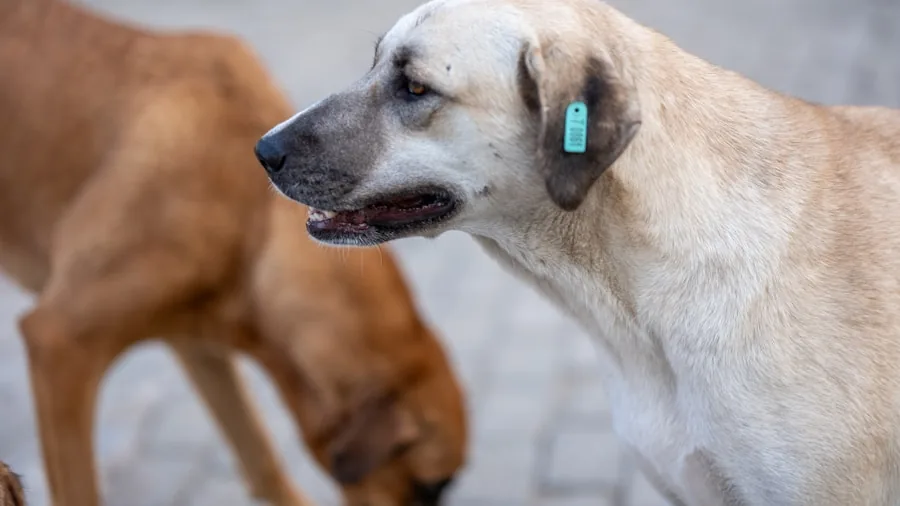
For pet owners, this means investing in microchipping and collar identification before disaster strikes. It also underscores why comfortable, designated shelter spaces at home matter: a cat with a safe hiding place is less likely to bolt during panic and more likely to be found quickly afterward.
The Physical and Emotional Toll of Disaster
Rescuing an animal is only the first step. Healing requires far more than bandaging wounds and setting broken bones. Earthquakes completely reshape a cat’s world: familiar sounds, smells, and surroundings vanish. For animals that already struggle with change, this upheaval creates profound stress that has real physical consequences.
Stressed cats may stop eating, withdraw from interaction, or become defensive when handled by humans including their own families. Veterinarians treating disaster survivors must account for pain management, fluid therapy, nutritional support, and gentle handling techniques. These animals need low-stress environments to recover both physically and psychologically, a challenge in any disaster zone.
This is why professional veterinary care during disasters matters so much. It’s not simply about treating injuries: it’s about recognizing that a pet’s emotional state directly affects healing and survival rates. The volunteer teams in Venezuela understood this, prioritizing careful observation and compassionate handling alongside medical intervention.
Preparing Your Pet for Disaster
While you cannot prevent earthquakes or other natural disasters, you can prepare your pet to increase the chances of survival and successful rescue. Start by ensuring your pet has current identification through microchipping and tagged collars. Keep recent photos of your pet on your phone in case you need to create missing pet posters.
Assemble a disaster kit for your pet that includes at least two weeks of food, water, medications, medical records, and comfort items. Research pet-friendly shelters and veterinary clinics in your area before you need them. If you have a cat, consider their natural hiding instincts when securing your home during threats: ensure they cannot access dangerous spaces, and create a designated safe room with food, water, and a litter box.
Finally, keep your pet’s vaccinations current and maintain regular veterinary checkups. Animals in good health respond better to stress and recover faster from injury. A healthy pet is a prepared pet, and preparation is the best defense against disaster outcomes.


Write Your Review
No reviews yet. Be the first to share your experience!