
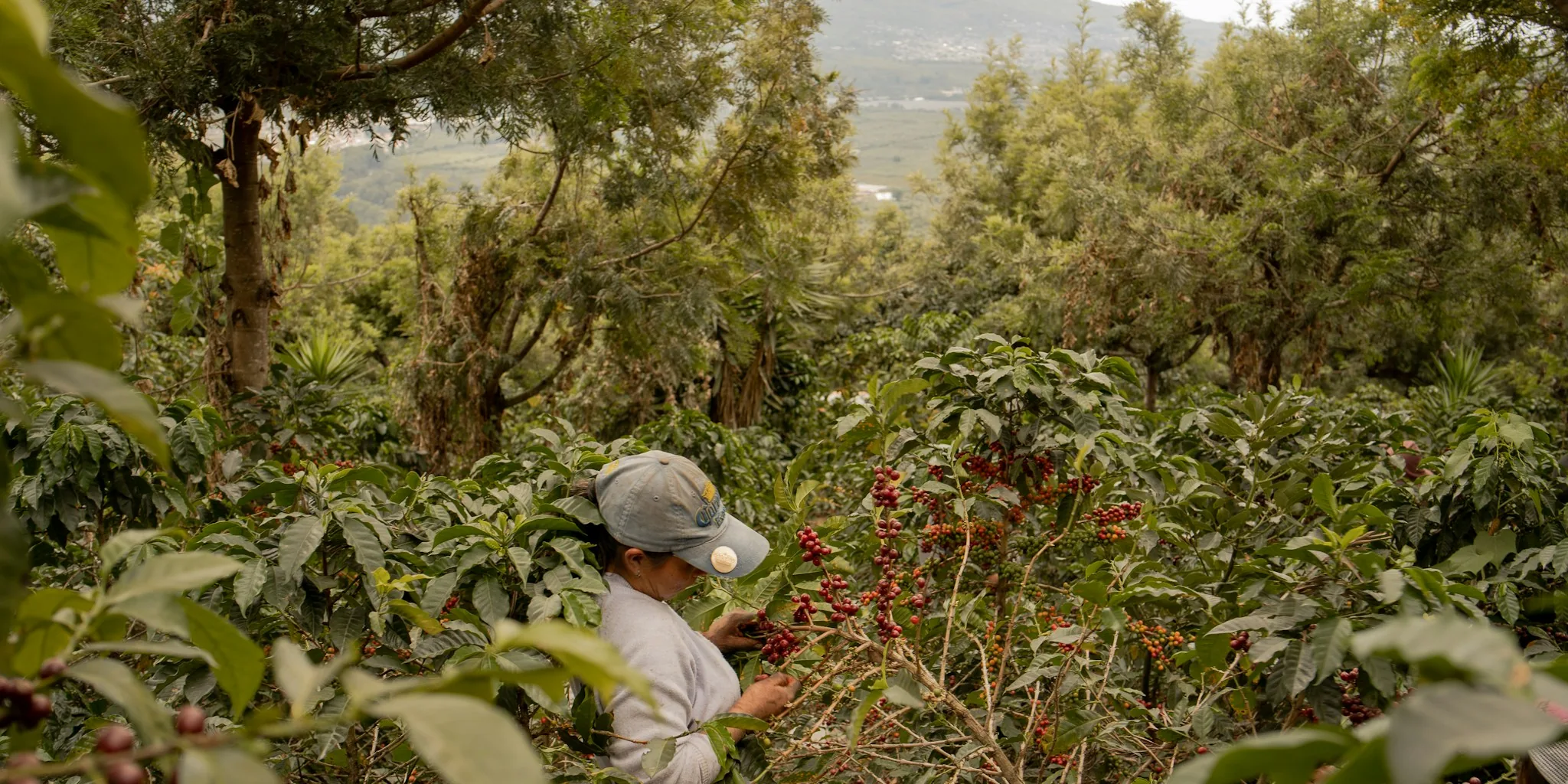

A New Study Reveals How Sustainable Farming Practices Could Impact Coffee Worker Incomes
A comprehensive analysis from leading agricultural nonprofits has shed light on a critical question facing the coffee industry: Can environmentally responsible farming practices actually help smallholder farmers earn enough to support their families? The answer, according to the research, is more complicated than many shoppers might expect.
The study examined coffee farming households across seven major producing nations including Honduras, Kenya, Uganda, Ethiopia, Vietnam, Peru and Indonesia. Researchers modeled how adopting regenerative agriculture techniques could narrow or eliminate the income gap between what farmers currently earn and what experts define as a living income, which is the amount needed to afford a decent standard of living in each country.
The Current Income Gap Is Significant
Before considering any farming changes, the analysis found that typical coffee-farming families in all seven countries fell short of earning a living income from their work. The situation varies dramatically by location. In Vietnam, farming households were closest to the threshold, earning about 81 percent of the living income benchmark. By contrast, families in Peru and Indonesia faced the steepest challenges, bringing in only about 26 percent of what experts consider necessary for a decent standard of living.
This disparity matters to consumers because the financial struggles of coffee growers ultimately influence coffee supply, quality and sustainability across the entire industry. When you reach for your morning cup, the farmer’s financial health is part of the equation.
Regenerative Farming Shows Promise, But Not Everywhere
The good news is that adopting regenerative agriculture practices, which emphasize soil health, biodiversity and natural resource conservation, could make a meaningful difference in some regions. The modeling suggests that typical farming households in Ethiopia and Vietnam could actually reach living income levels by implementing these practices. In Honduras and Kenya, while families would not fully close the gap, their situation would improve substantially.
However, the research also reveals limitations to this approach. In Uganda, Peru and Indonesia, even after adopting all recommended regenerative practices, typical farm households would still earn roughly half of the living income benchmark. Small farm sizes, limited productivity and high production costs in these regions create barriers that farming techniques alone cannot overcome.
Coffee Prices Hold the Real Power
Here is where the analysis becomes most relevant to shoppers: the income benefits of regenerative farming depend heavily on coffee prices, which farmers do not control. The researchers tested their models under different price scenarios, and the results are striking.
When coffee prices rise by 25 percent, Honduras crosses into living income territory, and Kenya and Peru see significant improvements. If prices jumped 50 percent, similar to what happened during price surges in recent years, only Uganda and Indonesia would remain below the living income threshold. Conversely, when prices drop by 25 percent, the gains from regenerative practices largely disappear.
This finding underscores a fundamental truth: farming practices matter, but procurement practices matter equally. Buyers and companies in the coffee supply chain need to commit to minimum volume purchases, price floors and quality-based premiums to ensure that regenerative farmers actually benefit from their environmental investments. Without such safeguards, even the best farming practices cannot guarantee fair incomes.
What This Means for Your Coffee Choices
For consumers interested in supporting sustainable and ethical coffee production, this research highlights the importance of looking beyond vague sustainability claims. A bag of coffee labeled as regenerative farming is great, but it matters less if the farmer was paid a price that does not reflect their labor and investment.
The most meaningful choice you can make is to seek out coffee from companies and cooperatives that publicly commit to transparent pricing practices. Look for brands that discuss their sourcing relationships and pricing commitments rather than simply emphasizing farming methods. Many specialty coffee roasters now focus on direct trade or fair trade relationships that pair sustainable farming with fair payment. Investing in a quality electric burr coffee grinder also means you care enough about coffee to seek better sources.
The research ultimately sends a clear message: regenerative agriculture is an essential part of the solution for helping coffee farmers achieve living incomes, but it is not a complete solution on its own. Shoppers, companies and policymakers all have a role to play. Your purchasing power, combined with industry commitment to fair pricing, creates the conditions where sustainable farming practices can truly deliver the income improvements that farming families desperately need.






Write Your Review
No reviews yet. Be the first to share your experience!