
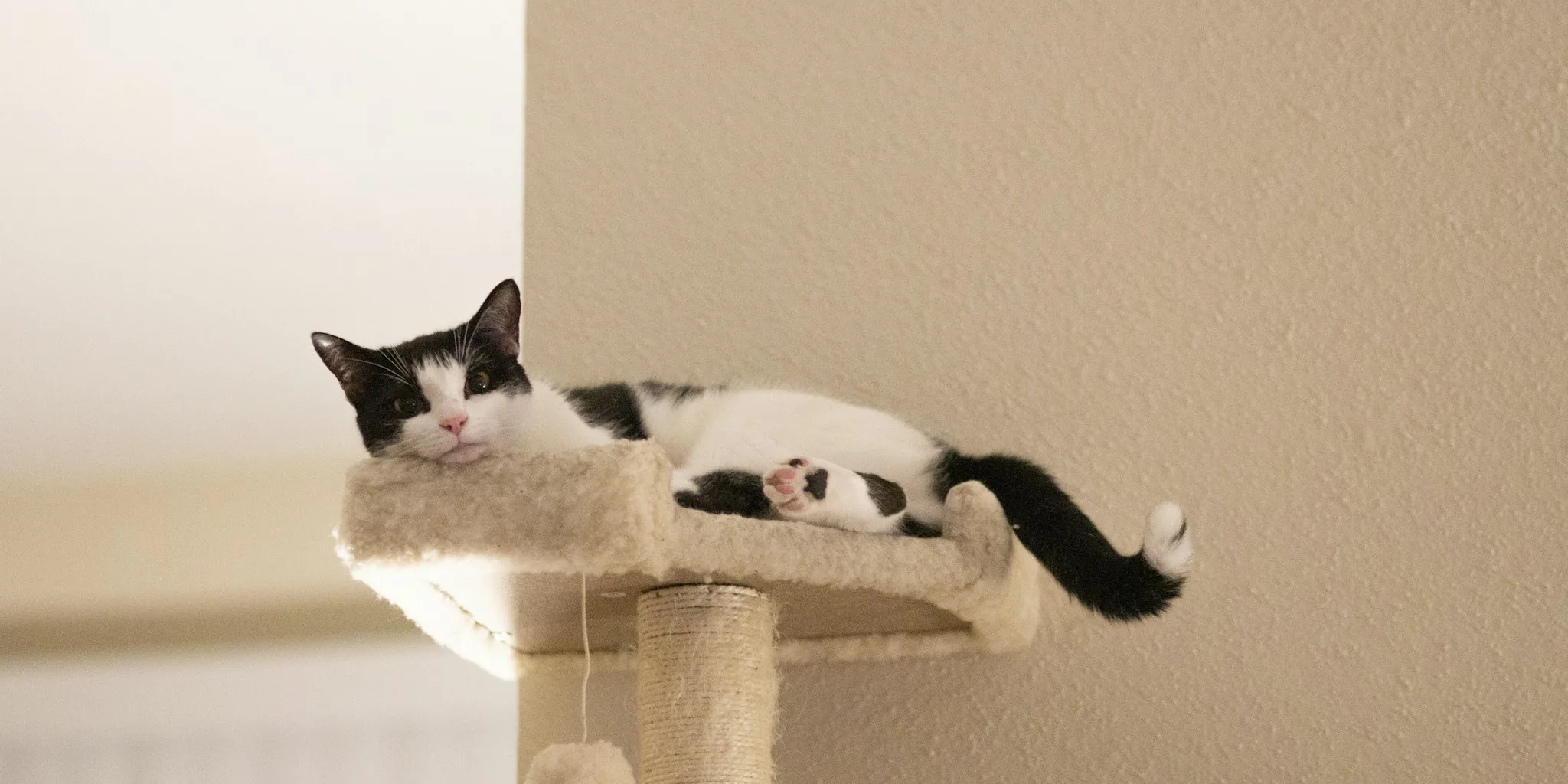

New research is challenging long-held assumptions about transitioning outdoor cats to indoor-only living, and the findings may surprise both current and prospective cat owners. A comprehensive study from the University of Adelaide reveals that moving a cat indoors is far less traumatic than most pet parents fear, with nearly 70% of those who made the switch reporting the transition went more smoothly than anticipated. For shoppers considering this decision or already navigating it, understanding what researchers discovered can help you approach the change with confidence and the right supplies.
The Research Behind the Shift
The study, published in Applied Animal Behaviour Science, directly contradicts the perception that cats cannot adapt to indoor lifestyles. Lead researcher Dr. Julia Henning explained that the findings challenge common anxieties about feline adjustment. Pet parents often dread this transition because cats are territorial, routine-driven animals that typically resist change. However, the reality appears far less dramatic than the horror stories of door-yowling, shredded curtains, and permanent feline resentment suggest.
What makes these results even more compelling is that over 40% of cats settled into indoor life almost immediately, while an additional quarter needed only a few weeks to adjust. Even among those who took longer, owner-reported happiness improved significantly once cats had lived indoors for over a year. Most importantly, even households forced into unplanned transitions due to medical emergencies, safety scares, or unexpected moves reported surprisingly smooth adjustments. This means you don’t need the perfect timing or extensive preparation to make this work.
Why Pet Parents Make the Move
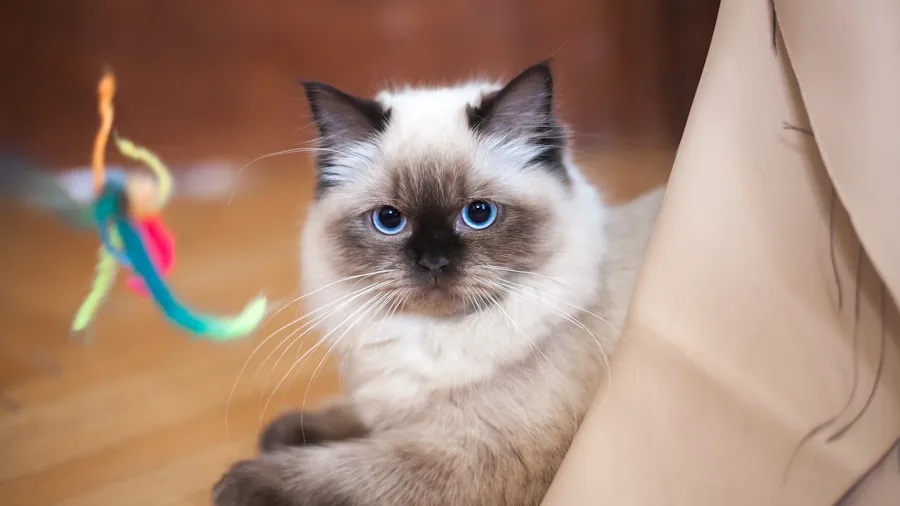
Safety remains the primary reason for the transition, cited by 77% of respondents. Outdoor cats face genuine risks from predators, traffic, and disease. Concern for local wildlife populations and household relocations each motivated approximately one-third of the pet parents in the study. Indoor living offers cats documented health advantages: they live longer with significantly lower rates of illness and injury compared to cats with outdoor access.
Creating the Right Indoor Environment
The most successful transitions shared a common thread: basic environmental enrichment. You don’t need complicated planning or expensive specialized equipment. Instead, focus on the fundamentals that veterinarians recommend for all indoor cats. Vertical climbing spaces are essential, as are scratching posts that satisfy natural instincts. Food puzzles add mental stimulation, while dedicated play sessions allow cats to stalk, pounce, and hunt in appropriate ways.
Consider investing in quality cat beds for resting spots and cat litter boxes positioned throughout your home to give your indoor cat options and control. Interactive toys that mimic prey behavior are particularly valuable during the adjustment period. The households reporting the smoothest transitions understood that an indoor cat isn’t simply a bored outdoor cat confined to a smaller space. When done right, indoor life can be as enriching and exciting as outdoor living, just in different forms.
Age and Timeline Expectations
Age matters when transitioning cats indoors. Cats moved inside before their second birthday adjusted noticeably faster than older cats, which aligns with what we know about behavioral flexibility declining with age. If you have a senior cat accustomed to outdoor access, patience and enhanced enrichment become even more important. However, this doesn’t mean older cats can’t adapt successfully; they may simply need more time and support.
Most cats experience some temporary friction during the first few weeks. Increased vocalization or attention-seeking behavior is common but typically temporary. If your cat is still pacing at windows weeks into the transition and showing signs of genuine distress, consult your veterinarian about calming supplements, synthetic pheromones, or a modified approach tailored to your specific cat’s needs.
The Financial Perspective
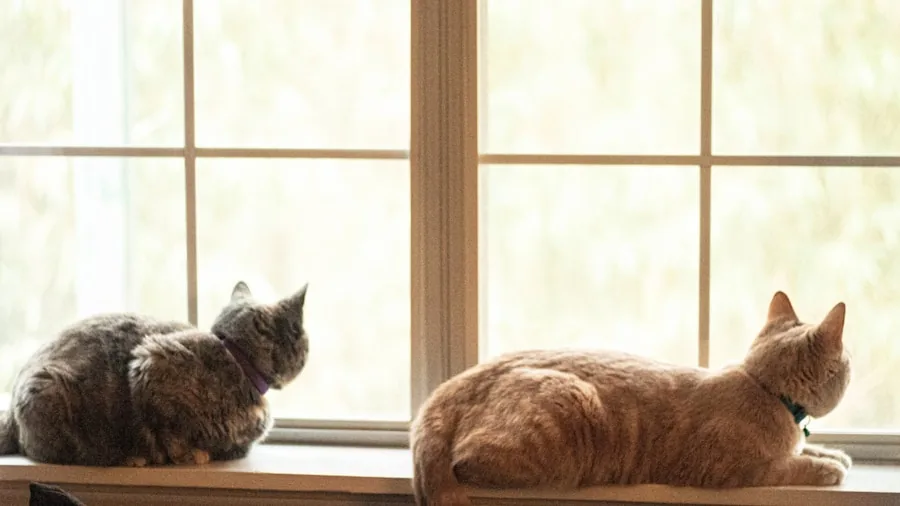
Pet parents often worry about the cost of transitioning and maintaining an indoor cat. Your household will see increased spending on cat bowls, litter, toys, and climbing structures. However, 36% of surveyed pet parents noted that veterinary bills decreased significantly after moving cats indoors, making the overall cost-benefit equation favorable. Fewer injuries, infections, and disease exposures mean lower vet expenses over time.
Managing the Emotional Side
Interestingly, the most challenging aspect of this transition isn’t the cats’ adjustment but rather the pet parents’ guilt. Many owners reported lingering worry about whether they’d taken something valuable away from their cats, even as behavior remained largely normal. Research co-author Dr. Susan Hazel emphasized that successful transitions depend on supporting the pet parent as much as the cat. Reassurance that rough early weeks are temporary may be the single most useful piece of information you can receive.
The data is clear: moving your cat indoors will likely not ruin your relationship or your cat’s quality of life. Give the process a few weeks, invest in proper enrichment, and extend grace to both yourself and your cat as you both adjust to this new chapter. Indoor living offers genuine safety and health benefits, and most cats adapt far better than you might expect.




Write Your Review
No reviews yet. Be the first to share your experience!