

What Rest-Pause Training Is and Why It Matters
If you’ve been using the same weights for weeks without any progress, rest-pause training is a legitimate method to break through that plateau. This advanced lifting technique allows you to perform additional repetitions after reaching muscular failure by taking a brief rest period of just 5 to 15 seconds, then continuing with the same weight. The concept is straightforward but powerful: by pushing a bit further with controlled form, you create more of the muscle tension that actually drives growth over time.
For fitness enthusiasts who are stuck in a rut, understanding this approach can be the difference between stagnation and measurable gains. Unlike ego lifting, which sacrifices form and invites injury, rest-pause sets keep you honest while squeezing out those final high-quality repetitions that matter most.
How to Properly Execute a Rest-Pause Set
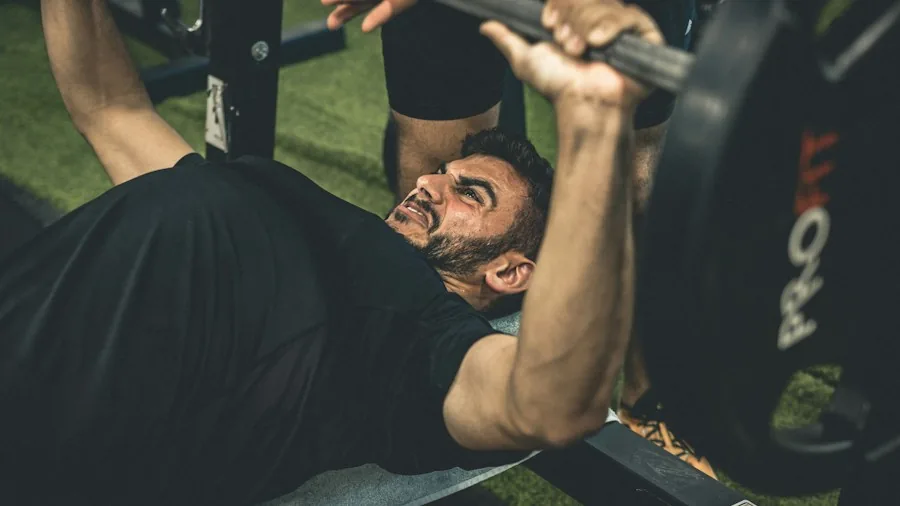
The execution is simple but requires focus. Start with an exercise you’ve chosen for that day’s session and perform repetitions until you cannot complete another one while maintaining proper form. This is the point of technical failure. Once you reach this threshold, set the weight down and take a short break. Think of it as three deep breaths, or approximately 5 to 15 seconds of rest. After that brief pause, pick up the weight again and squeeze out 2 to 4 additional repetitions using the same load.
Timing is crucial here. If you rest longer than 20 seconds, you’re approaching a standard rest interval, which means your muscles have recovered too much energy and eliminated too many waste products. The sweet spot keeps you partially fatigued while still capable of controlled, high-quality reps. You can repeat this cycle once or even twice, though starting with a single additional round is recommended for beginners trying this method.
When and Where to Use Rest-Pause Sets
Rest-pause training works best as the final set of a chosen exercise, particularly during the last exercise of your entire workout. This timing prevents you from compromising your performance on subsequent exercises if you use the technique too early in your session.
Certain exercises are safer and more effective for this method. Weight machines offer the highest safety margin because you can easily reach fatigue and rest without worry. Chest-supported rows and similar exercises that provide stabilization also work well. Single-joint movements like dumbbell curls are excellent candidates for rest-pause sets. If you attempt this technique with compound movements like the bench press or back squat, ensure you have a qualified spotter on hand to maintain safety.
Consider incorporating rest-pause sets into one exercise per workout, ideally one where you’ve been struggling to progress. When paired with proper workout shoes and appropriate workout shorts, you’ll have the comfort and confidence to push hard during these intense final sets.
The Science Behind the Method
Research confirms that rest-pause training delivers results comparable to traditional straight sets in terms of strength gains. One notable study tracked 18 experienced lifters over six weeks. One group performed standard three-set protocols with six reps each, while the other completed a single set to failure followed by rest-pause sets until reaching 18 total repetitions. Both groups achieved similar strength improvements, but the rest-pause group saw greater increases in muscle thickness and muscular endurance, particularly in the legs.
This evidence matters because it shows you’re not sacrificing strength development when using this technique. You’re actually gaining an efficiency advantage by getting more muscle-building stimulus in less total time.
Rest-Pause vs. Other Intensity Techniques

Strength training has multiple intensity-boosting methods worth understanding. Drop sets involve reaching failure and then immediately reducing the weight by 10 to 20 percent to squeeze out more reps. While effective for volume, drop sets are less strength-focused since you’re lifting lighter loads.
Cluster sets break a traditional set into mini-sets with short rest periods between clusters. These are popular among powerlifters and prioritize accumulating heavy tonnage, often at higher weights than rest-pause allows.
Forced reps require a spotter to provide assistance after you reach failure, allowing a few more controlled repetitions. This method is less controllable because spotter assistance varies, though it does build time-under-tension with challenging weight.
Rest-pause training stands apart because you maintain the same weight throughout while extending your set through partial recovery. This makes it ideal for lifters seeking a balance between volume and strength maintenance. Unlike emerging workout trends, rest-pause is a time-tested method backed by exercise science.
Who Should Use This Technique
While lifters of any experience level can perform rest-pause sets, they’re particularly valuable for advanced athletes who’ve already exhausted their newbie gains and find progression increasingly difficult. If you’re adding weight to the bar becomes nearly impossible, this technique provides a viable path forward by extracting more value from your current load.
The key is not overusing the method. Applying rest-pause to every set of every workout will lead to burnout and diminishing returns. Strategic application, typically one exercise per session, keeps it potent and sustainable.






Write Your Review
No reviews yet. Be the first to share your experience!