
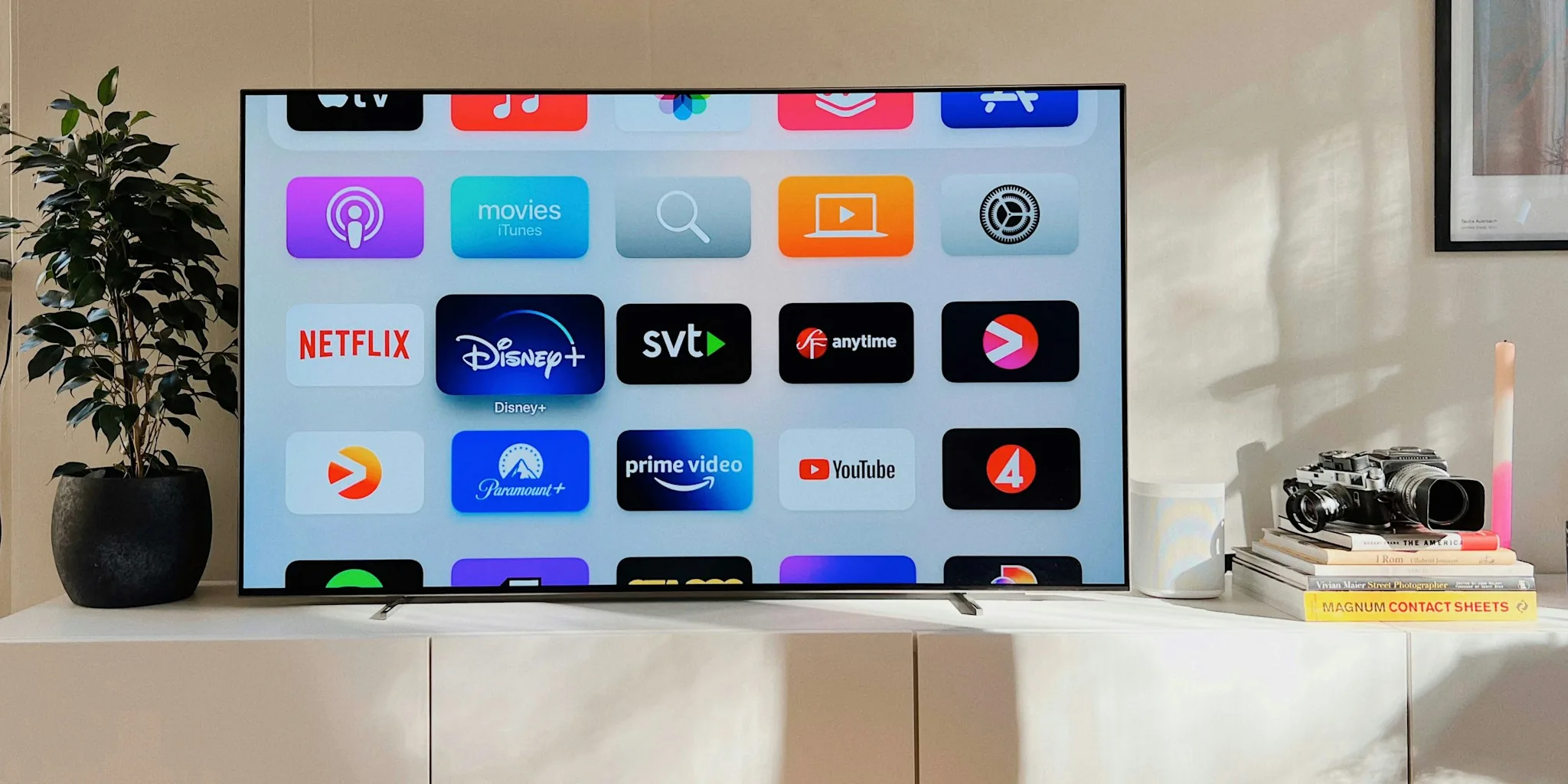

A New Streaming Channel Dedicated Entirely to AI Content
Roku has introduced Fairground AI, a free ad-supported streaming channel that marks the first major push into AI-generated video entertainment. The channel broadcasts 24 hours a day, seven days a week with content created entirely through artificial intelligence. Alongside this launch, Roku added three traditional entertainment channels: Mad TV, Retro Black Laughs, and Whose Line Is It Anyway. But Fairground AI is where the real attention is focused.
The channel operates through Fairground Entertainment, which positions itself as pioneering a new category called AI Cinema. The company invites creators to upload their own AI-generated videos for a chance to be featured and compensated. This crowdsourced approach opens the channel to contributions from anyone willing to submit content.
Consumer Reactions Are Mixed at Best
Response to Fairground AI has split sharply between enthusiasts and skeptics. AI advocates on social media express genuine excitement about the channel’s potential and the opportunity to showcase AI-generated work. Meanwhile, critics are considerably less charitable. Social media commenters have called the content “slop,” comparing it unfavorably to propaganda programming and describing it as “like eating from a trough.”
The technical quality issues are hard to overlook. Users scrolling through shared clips report consistently poor dialogue delivery, choppy editing, visual inconsistencies, and strange on-screen artifacts that betray the AI generation. If you’ve watched AI-generated video before and felt disappointed, this channel isn’t likely to change that impression. Even when individual creators craft something more interesting, the overall output remains uneven at best.
For TV shoppers evaluating streaming services and content quality, this matters. When shopping for the best TVs for your home, you’re investing in a device that should deliver quality entertainment. A channel full of low-quality AI content might not be a major draw, though it’s worth noting that Roku’s overall streaming ecosystem includes many established networks and applications alongside experimental offerings.
Legal Questions Loom Over AI Video Licensing
Beyond quality concerns, industry observers have flagged a potentially serious legal risk. Recent lawsuits against AI music platforms like Suno have resulted in copyright infringement judgments over unauthorized use of copyrighted material in training data. By monetizing AI-generated video content, Fairground AI may face similar legal challenges from film studios and production companies.
Most advanced AI video models are trained on commercially released films and television programs. If that content was used without permission or compensation, creating a monetized distribution channel for output from those models could invite aggressive legal action. Movie studios have substantial resources and strong historical interest in protecting their intellectual property. This isn’t a minor technical concern, it’s a business risk that could reshape how the platform operates.
What This Means for TV Buyers
If you’re shopping for a new TV, the Fairground AI launch doesn’t directly affect your purchasing decision. However, it’s a useful reminder to consider what content ecosystem you’re joining. Roku has built a reputation for offering affordable devices with broad app support, including mainstream streaming services like Netflix, Disney+, and others. The addition of experimental channels doesn’t change the fundamental value proposition.
That said, consider your actual viewing habits. Are you someone who appreciates cutting-edge technology experiments, even when they’re rough around the edges? Or do you prefer established, proven content? When evaluating 50-inch TV options or gaming-focused displays, make sure the streaming platform offers the apps and content you actually want to watch regularly.
Roku devices will continue to deliver the same functionality and app selection that made them popular in the first place. A single experimental AI channel doesn’t diminish the platform’s utility. For most shoppers, Fairground AI will simply be a curiosity you might sample once or twice before moving on to established entertainment options. The broader question about AI-generated content, copyright protection, and content quality will likely play out in legal proceedings rather than on your TV screen.



Write Your Review
No reviews yet. Be the first to share your experience!