
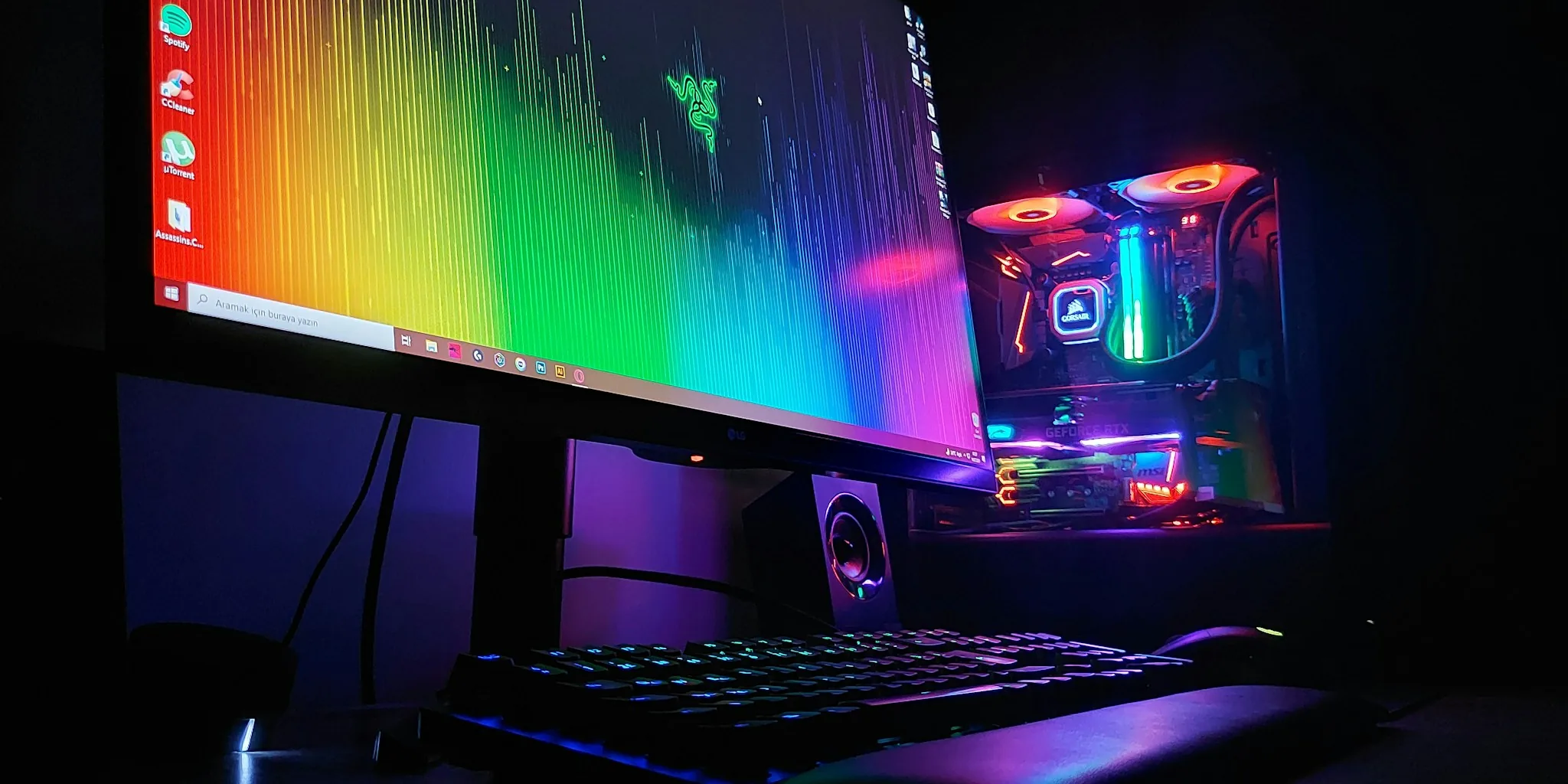

Samsung’s Latest OLED Gaming Screens Push Refresh Rates to Historic Levels
Samsung made headlines at Gamescom by introducing a bold new lineup of Odyssey OLED gaming monitors designed for competitive and immersive gaming. The announcements reveal where the gaming display market is headed and what consumers should expect when shopping for high performance OLED screens in the coming years.
The Flagship Model Breaks Refresh Rate Records
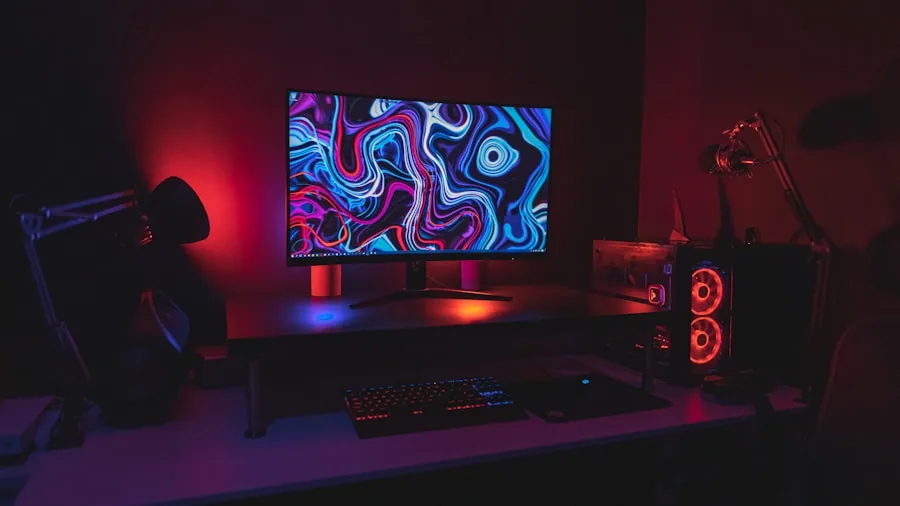
The centerpiece of Samsung’s announcement is the Odyssey OLED G6 G60H, a 1440p monitor equipped with a Fast IPS OLED panel and a 600Hz refresh rate. The truly standout feature: when you lower the resolution to 1080p HD, the screen achieves a staggering 1100Hz refresh rate. This represents the fastest OLED gaming monitor specification ever publicly announced, delivering an unprecedented advantage for competitive esports players who prioritize response time above all else. The G6 G60H also includes AMD FreeSync Premium Pro variable refresh rate support and works with Nvidia G-Sync, ensuring compatibility with virtually any gaming setup.
Bigger Screens Are Coming to Curved Gaming
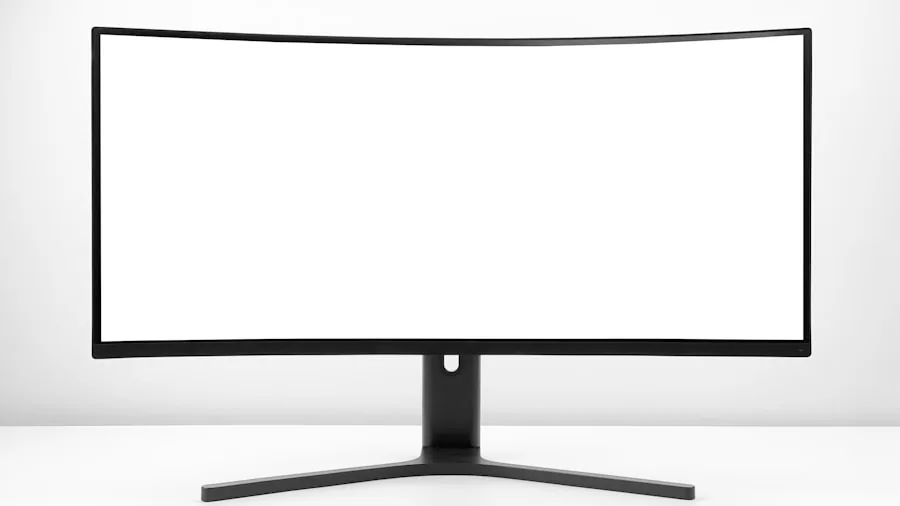
For gamers who want to immerse themselves in larger displays, Samsung unveiled the Odyssey OLED G7, marking the industry’s first curved gaming monitor in a 42-inch 4K OLED configuration using the classic 16:9 aspect ratio. The screen features an aggressive 1000R curvature and supports up to 165Hz refresh rates. Samsung claims the G7 delivers 72 percent more screen real estate than a typical 32-inch curved panel, meaning games and content will fill significantly more of your visual field. This size and curve combination addresses a common request from gamers who want ultra-wide immersion without sacrificing the standard aspect ratio they know and trust. As you research your options, you might also want to explore the best OLED TVs available for both movie lovers and gamers to understand how OLED technology performs across different display categories.
Advanced Technology Powers the Mid Range Models
The 32-inch Odyssey OLED G8 introduces Samsung’s fifth-generation QD-OLED panel with Penta Tandem technology, which uses an RGB stripe sub-pixel arrangement rather than traditional patterns. This engineering improves power efficiency, extends panel lifespan, and sharpens text rendering for productivity tasks. The G8 reaches 360Hz at 4K resolution, drops to 520Hz at 1440p, or achieves 680Hz at 1080p, giving gamers flexible performance modes depending on their graphics card capabilities. The monitor includes cutting-edge connectivity with DisplayPort 2.1 UHBR20, dual HDMI 2.1 ports, a USB-C with 98W power delivery, and a built-in USB hub with KVM functionality for managing multiple computers.
The ultrawide option, the Odyssey OLED G9, spans 49 inches with a 5120 by 1440 pixel resolution and reaches 360Hz in that full width configuration. It supports a dual HD mode at 720Hz (2560 by 720 resolution) and incorporates the same fifth-generation QD-OLED panel with Penta Tandem tech. Samsung notes the G9 delivers up to 1300 nits of peak brightness in a 3 percent window at 4K, providing the punch needed for HDR gaming. New OLED brightness standards are changing gaming monitor expectations, and these monitors reflect that evolution.
What These Announcements Mean for Buyers
Samsung’s 2027 OLED lineup signals that OLED gaming monitors have moved beyond being niche products into mainstream competitive gaming. The ultra-high refresh rates, massive screen sizes, and advanced panel technologies suggest that manufacturers have solved many of the cost and durability concerns that previously limited OLED adoption in gaming displays.
For shoppers currently using traditional LCD gaming monitors, these announcements represent a genuine inflection point. If you game competitively, the 1100Hz capability at 1080p provides a measurable advantage. If you play for immersion and visual quality, the 42 inch curved and 49 inch ultrawide options deliver experiences that standard rectangular monitors simply cannot match.
Samsung also reaffirmed its support for glasses-free 3D gaming technology, with broader game support planned and HDR10+ gaming integration expanding to major titles including Call of Duty. By mid-2027, more than 20 games are expected to support these advanced features, making OLED gaming monitors increasingly valuable for players seeking next-generation visual experiences.
When Will These Monitors Arrive and What Should Buyers Expect
These monitors are scheduled to launch in 2027, which means shoppers have time to research and budget accordingly. However, Samsung’s aggressive specifications provide a clear roadmap for what the market will offer. Gamers shopping now should factor in that OLED gaming displays represent the clear future direction of the category.
Expect premium pricing when these models arrive, as OLED manufacturing and Samsung’s proprietary Penta Tandem technology command higher costs than traditional LCD panels. However, the performance gains, color accuracy, contrast ratios, and superior motion handling justify the investment for serious gamers and content creators.





Write Your Review
No reviews yet. Be the first to share your experience!